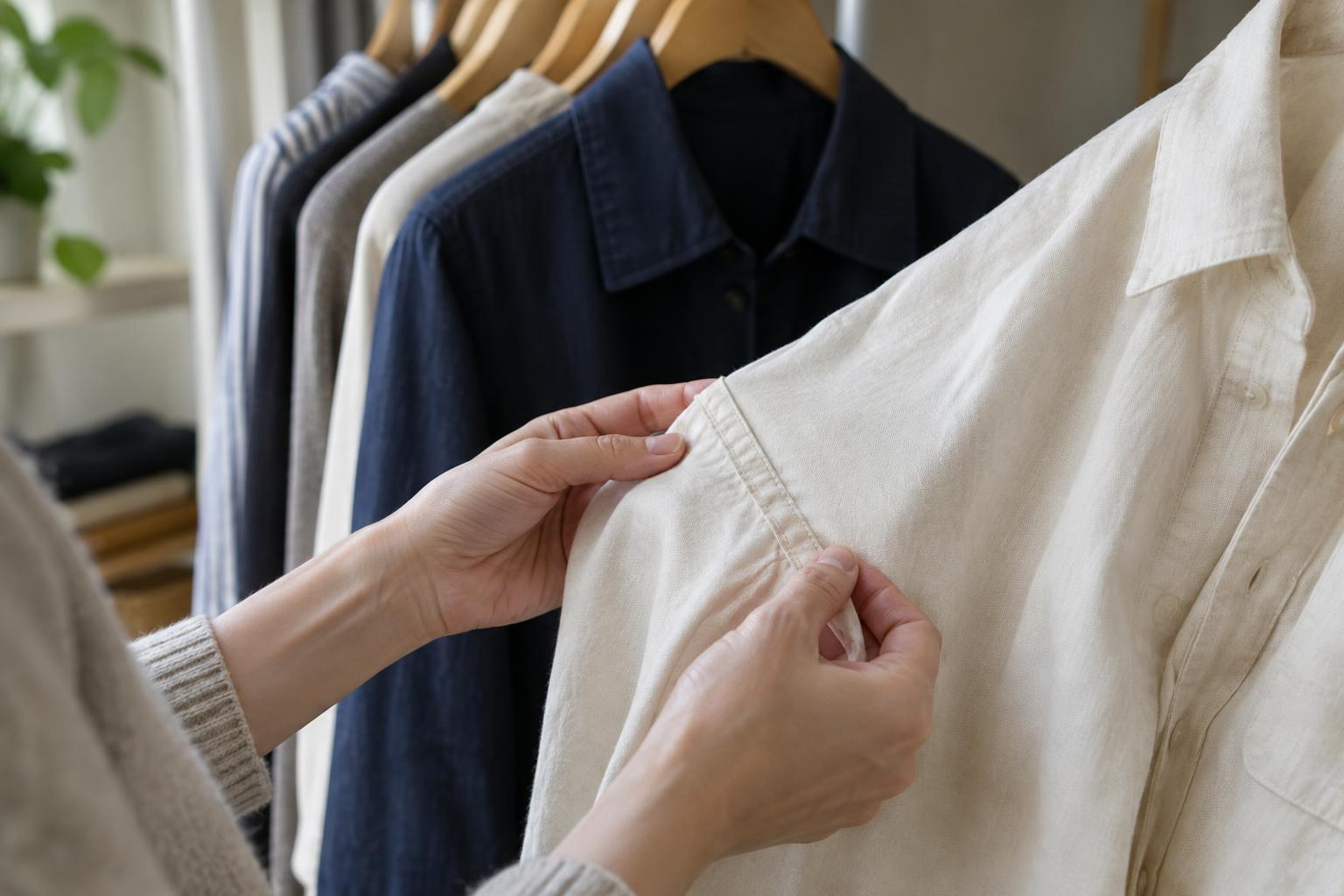
Start with what your day demands
A base layer is the clothing worn closest to your skin, underneath the pieces that define your outfit. Its job may be to add a little warmth, help manage perspiration or make a coat feel more comfortable over a thin top. The right choice depends less on how cold it feels when you leave home than on what you will do afterward: walking outdoors, waiting for transport and sitting in a heated room call for different levels of insulation.
For an ordinary day that moves between indoors and outdoors, begin with the lightest layer that makes your outfit comfortable. A thin long-sleeved top under a shirt or jumper is often easier to live with than a very warm thermal top that cannot be removed discreetly. If you expect extended time outside, you can add warmth with a mid-layer and coat. This gives you more ways to adjust as conditions change.
Choose fabric by comfort and activity
Fabric influences how a base layer feels after several hours. Lightweight merino wool can provide warmth in a thin knit and may feel comfortable across a range of temperatures. It is not for everyone: some people find wool irritating, and fine knits need thoughtful care. Silk feels smooth and slips easily beneath close-fitting clothes, but it is delicate and may not be the most convenient option for an active day.
Synthetic base layers, often made with polyester or nylon, tend to dry relatively quickly and can be useful when you expect to sweat. Check the feel of the fabric against your skin, as finishes and stretch vary. Cotton can feel pleasant for gentle, mostly indoor wear, but it tends to hold moisture longer when damp. On a cold walk or during vigorous activity, a wet cotton layer may leave you feeling chilled. No fabric is universally best; choose for your skin, your routine and the care you are willing to give it.
Look for a close fit, not a squeeze
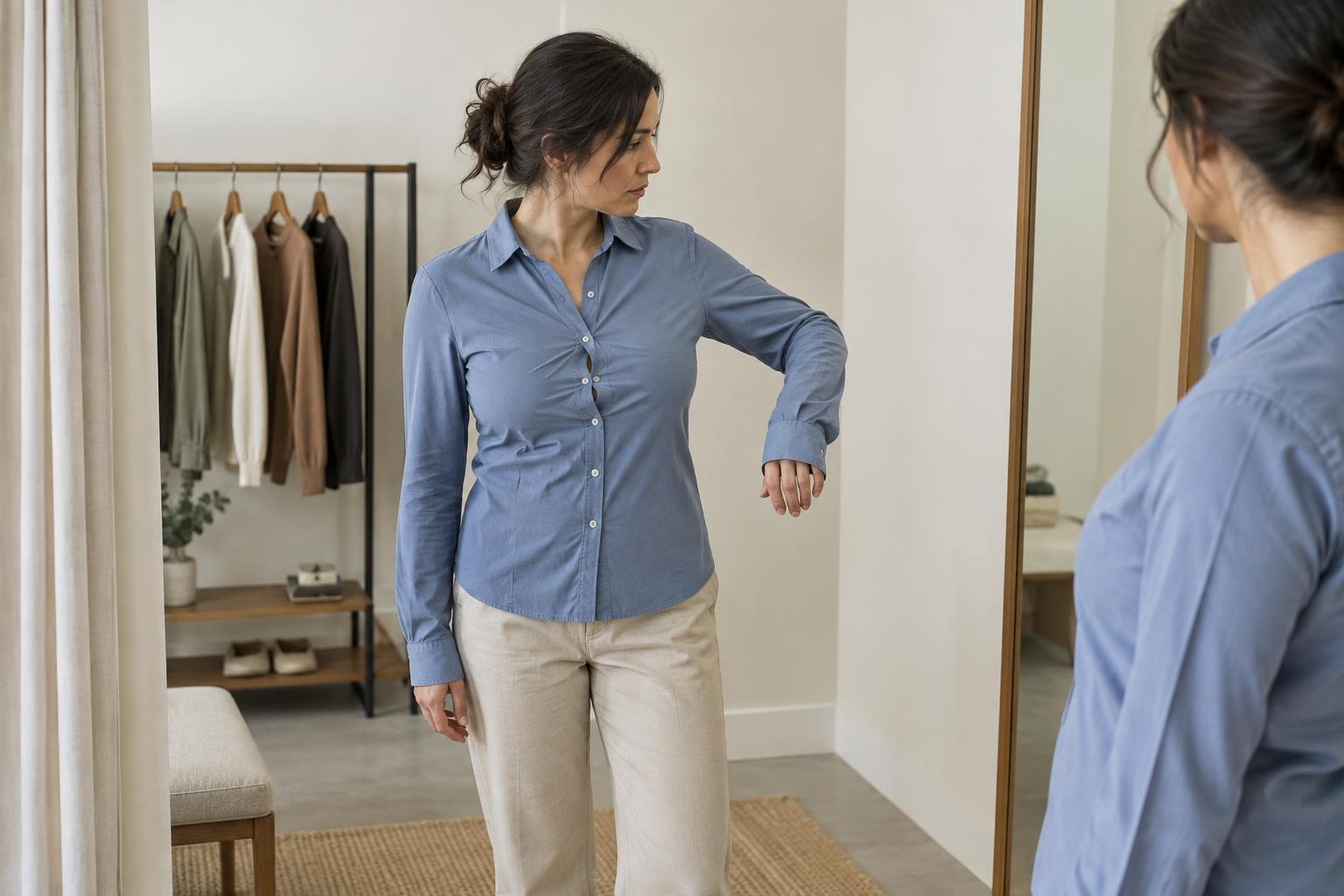
To keep an outfit streamlined, a base layer should sit close enough to avoid folds under your clothes. It should still allow you to raise your arms, bend and sit without pulling at the shoulders or waist. Try it beneath the shirt, knit or trousers you plan to wear. If seams show prominently, sleeves bunch at the wrists or the waistband rolls, a different cut may work better than a smaller size.
Pay attention to the details that meet your outer clothes. A crew neck works under many jumpers but may show beneath an open collar; a lower neckline can stay out of sight. Smooth cuffs and flat seams are useful under fitted sleeves. For bottoms, consider where the hem falls: a thin, ankle-length layer can sit neatly inside socks, while a shorter one may avoid crowding around slim boots. Comfort matters as much as appearance, because a layer you keep adjusting will not feel effortless.
Build warmth in thin, adjustable steps
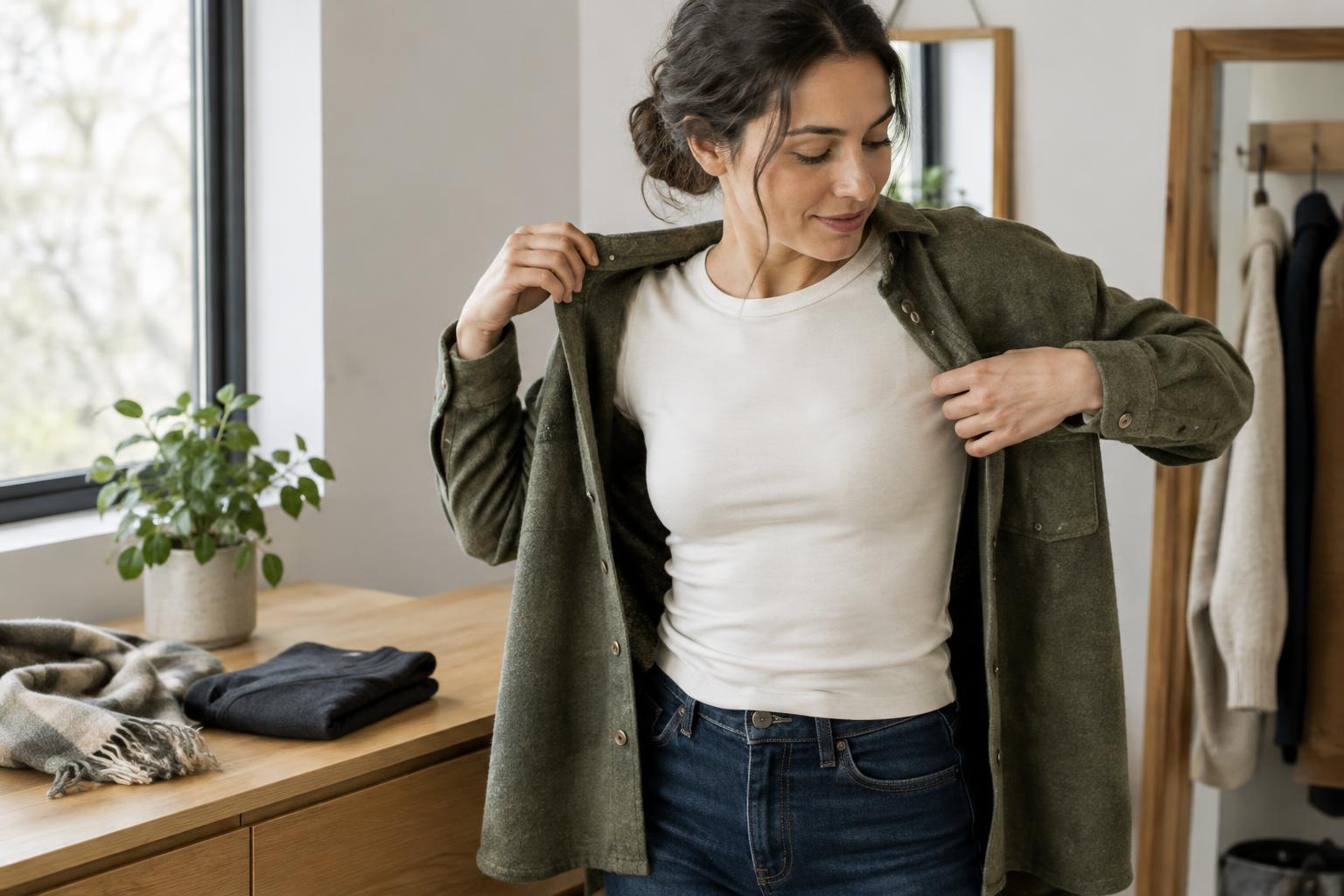
Warmth without bulk comes from combining pieces that each have a clear purpose. A thin base layer, a shirt or lightweight jumper, and a coat can be easier to adapt than one oversized, heavy garment. Leave enough room between layers to move comfortably; packing everything tightly together can make an outfit restrictive. If your coat already provides plenty of warmth, a very light base layer may be all you need underneath your usual clothes.
Think about where you actually feel cold. A sleeveless layer can warm your torso without adding fabric inside fitted sleeves. A long-sleeved version may make more sense beneath a loose shirt or cardigan. Thin leggings can help under roomy trousers, but test them before committing to a full day: friction between fabrics can cause twisting or bunching. When only your neck or hands need extra protection, a scarf or gloves may be simpler than another full-body layer.
Buy selectively and care for what you own
Before buying several base layers, identify one outfit that feels too cold and decide exactly what is missing. Try one layer in a colour that works beneath those clothes, then wear it through a typical day. Notice whether you become too warm indoors, whether the neckline stays hidden and whether the fabric remains comfortable. That trial gives you better guidance than choosing solely by a warmth label or fabric name.
Follow the garment’s care label, especially for wool and silk. Washing gently when needed, avoiding excessive heat and letting a layer dry fully before storing it can help preserve its shape and feel. Check for worn seams or stretched cuffs when changing seasons. A small number of base layers that fit well and work with your regular outfits is more useful than a drawer of pieces that add warmth but never feel quite right.