Wardrobe Care
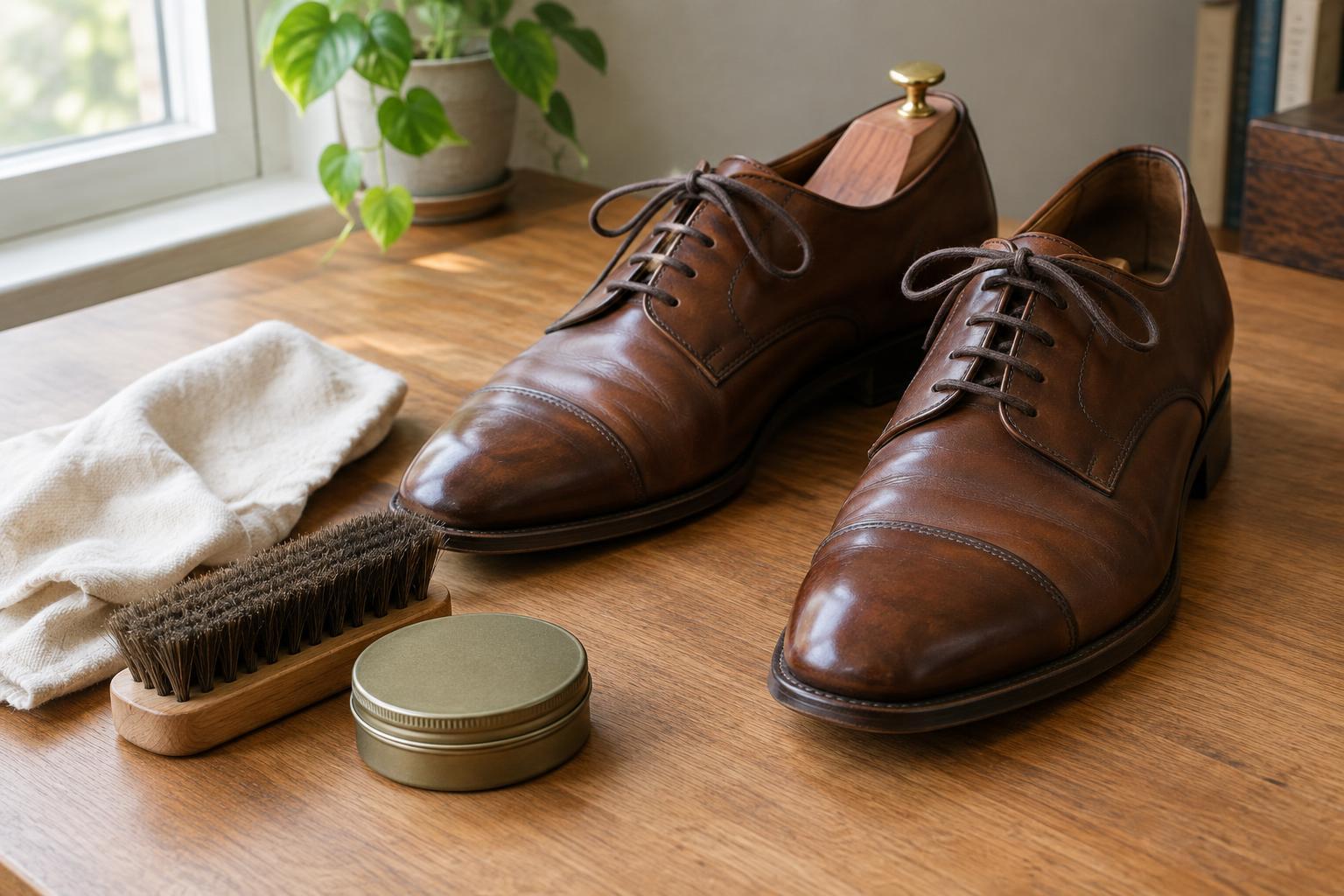
How to Clean and Maintain Leather Shoes
A practical guide to caring for everyday leather shoes, from gentle cleaning and conditioning to drying, storage and knowing when to visit a repairer.
Read article · 4 min↗Personal Style
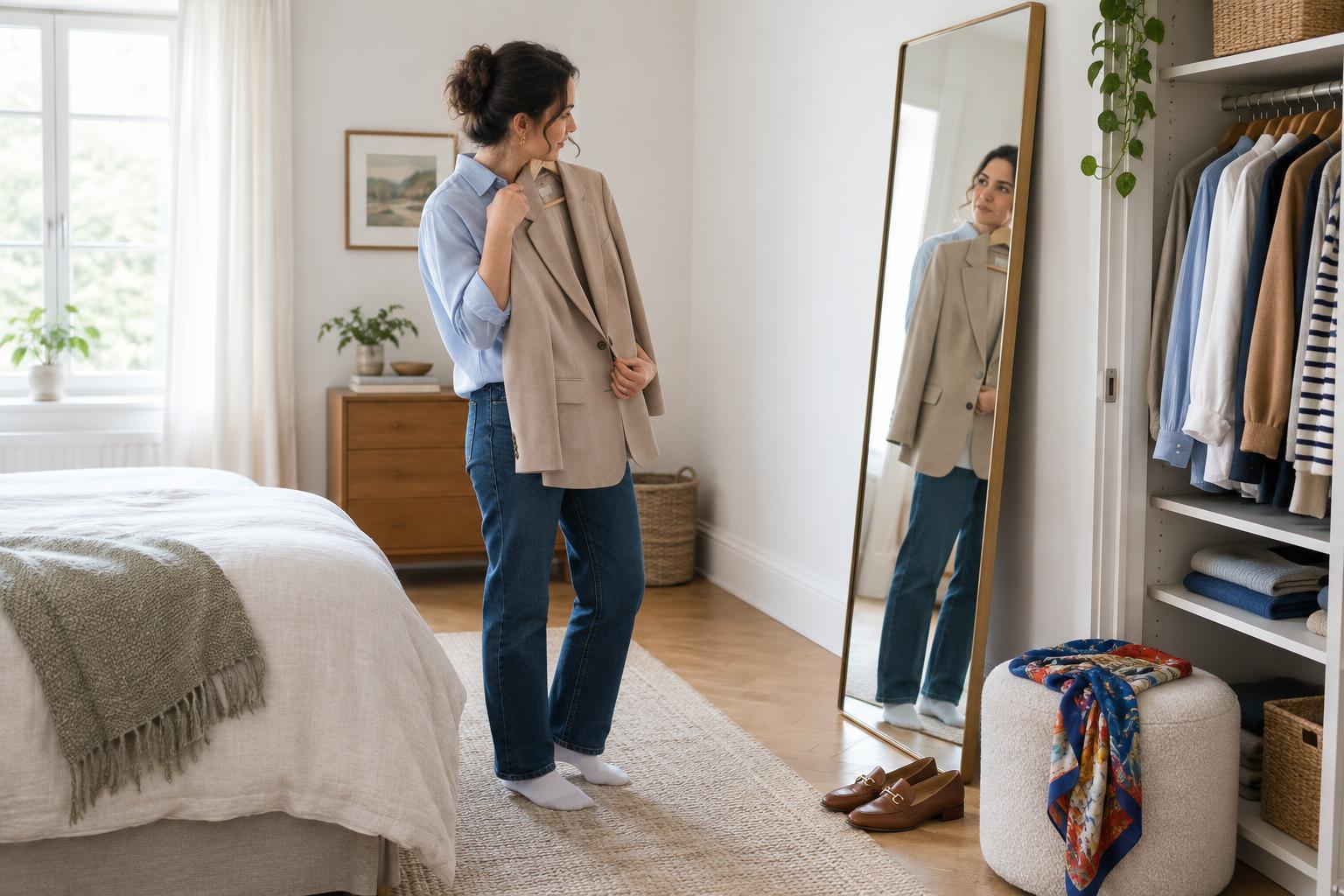
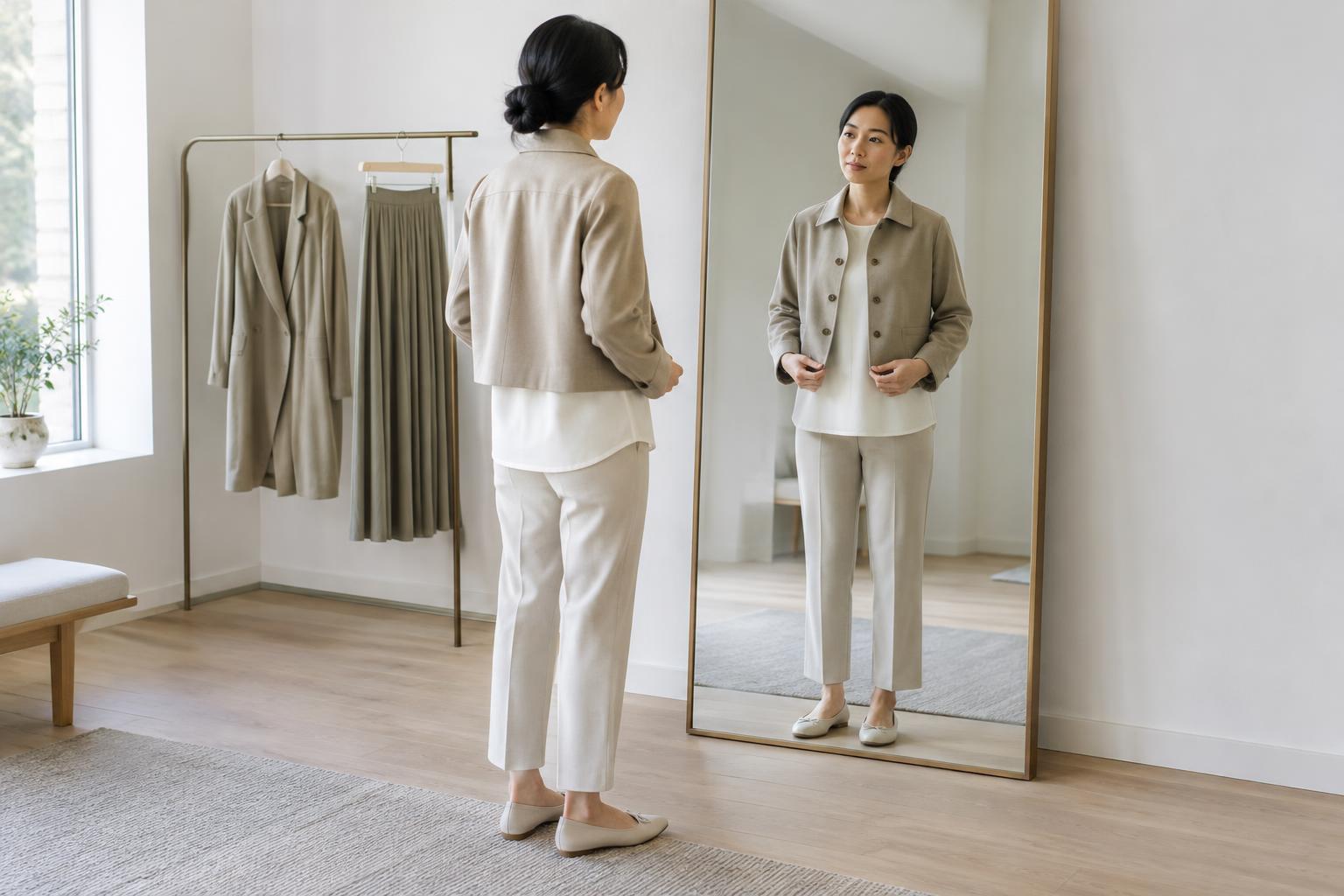
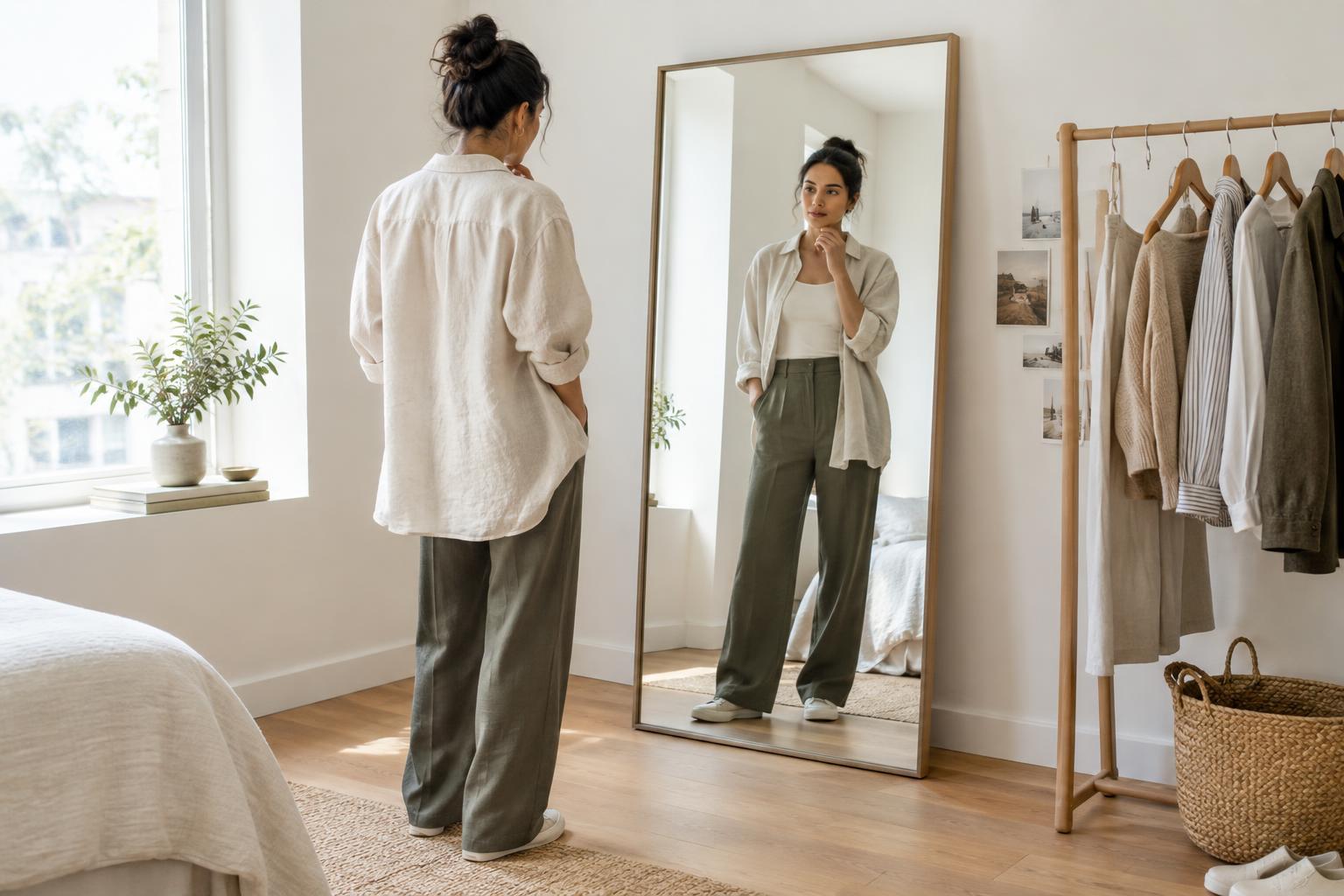
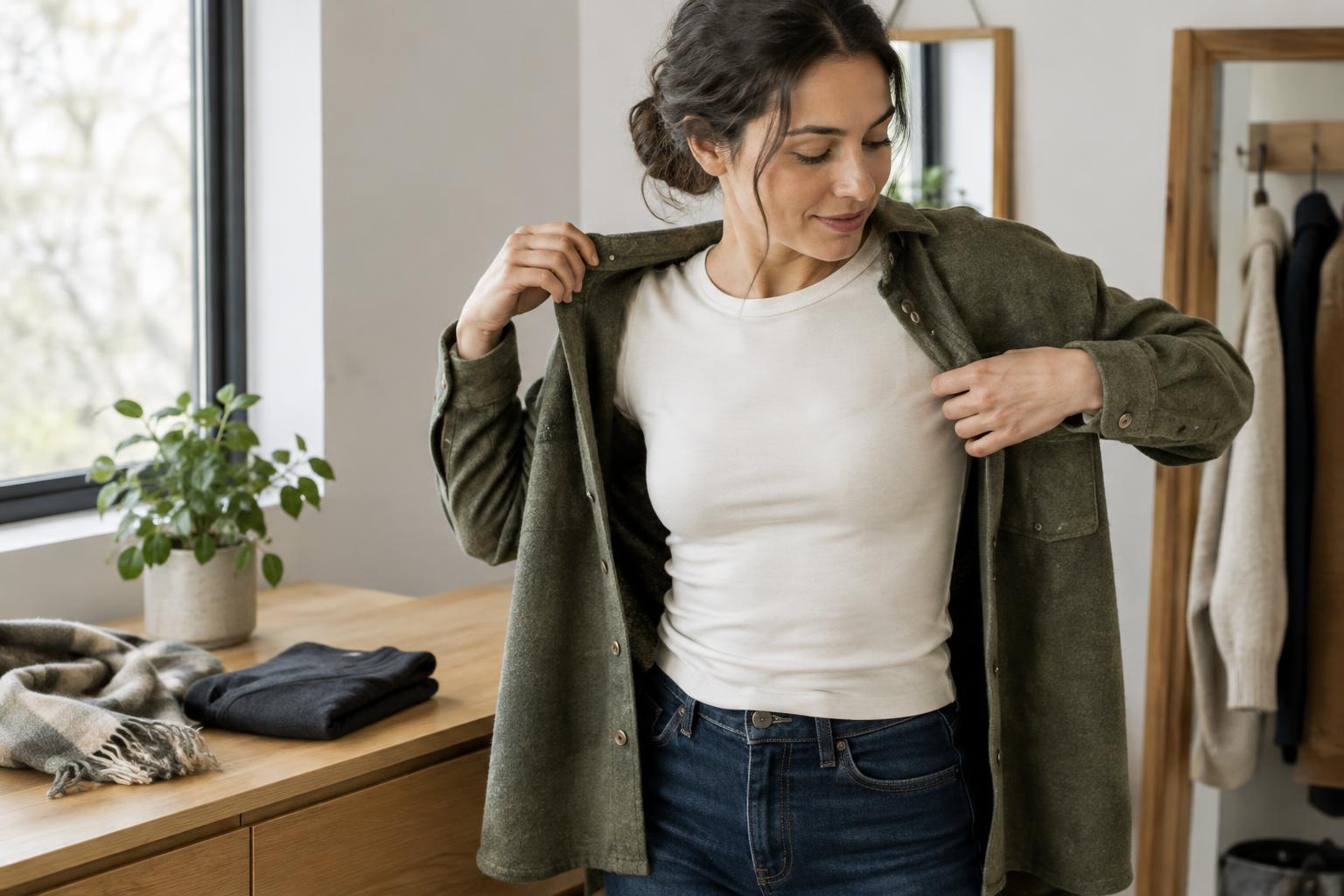
More to discover ↗A colour pairing can look appealing in theory but feel different once you put the clothes on. Use this simple try-on method to check proportions, lighting and finishing details before deciding whether a combination works for you.
Read article ↗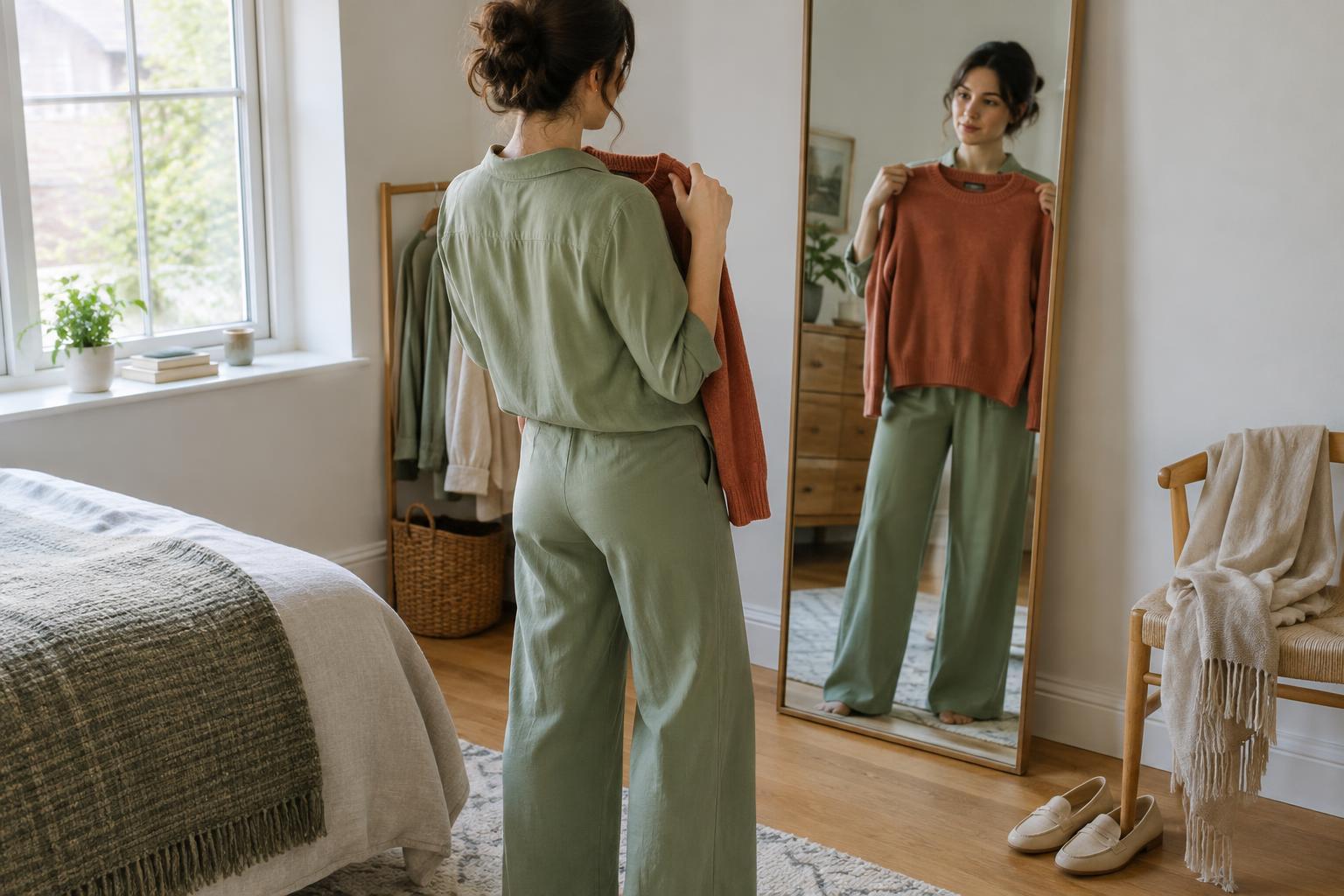 Colour and Outfit Planning
A practical guide to caring for everyday leather shoes, from gentle cleaning and conditioning to drying, storage and knowing when to visit a repairer.
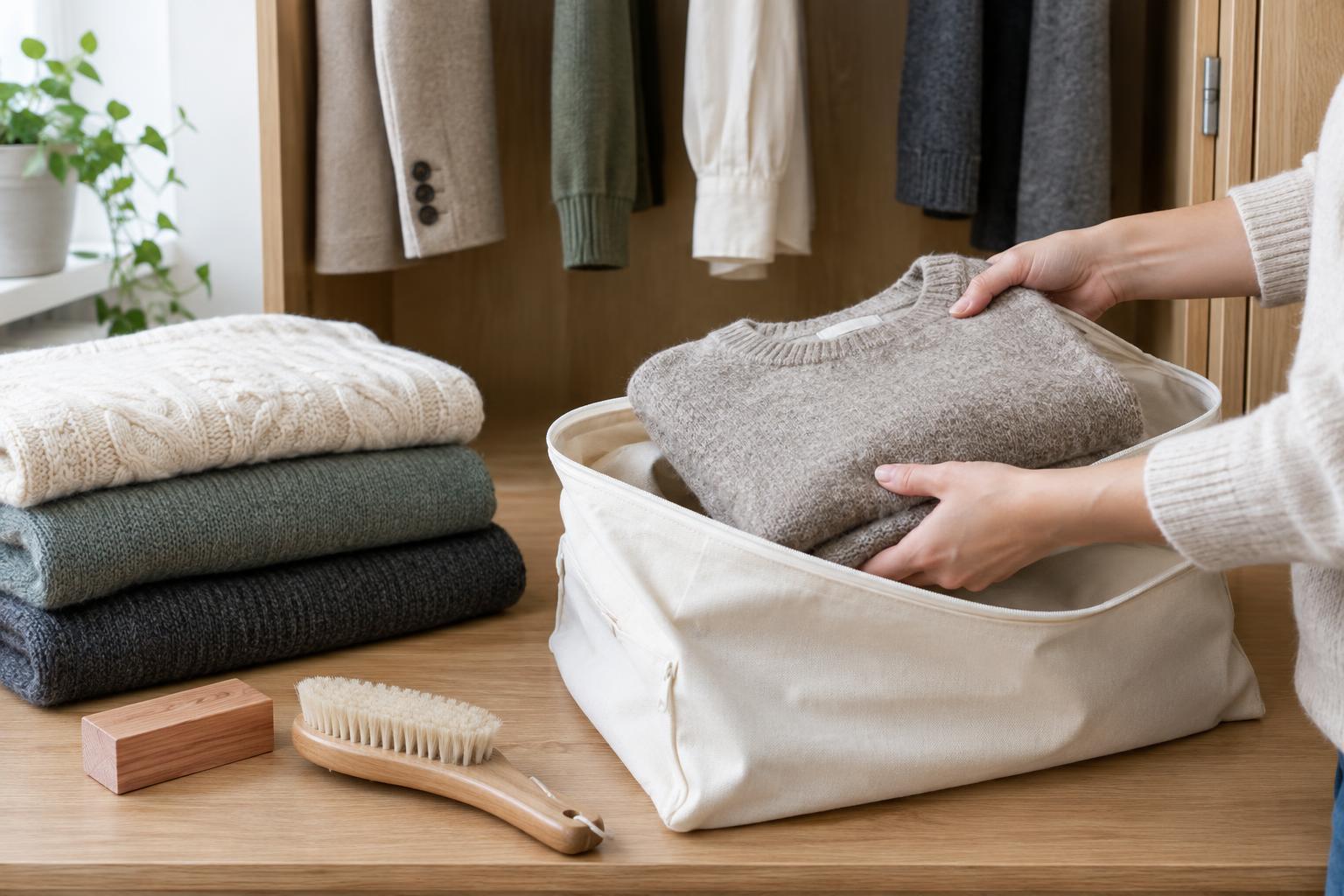
Read article · 4 min↗A practical guide to putting seasonal clothes away: clean and dry each garment, choose suitable containers, protect moth-prone fabrics and check stored pieces before wearing them again.
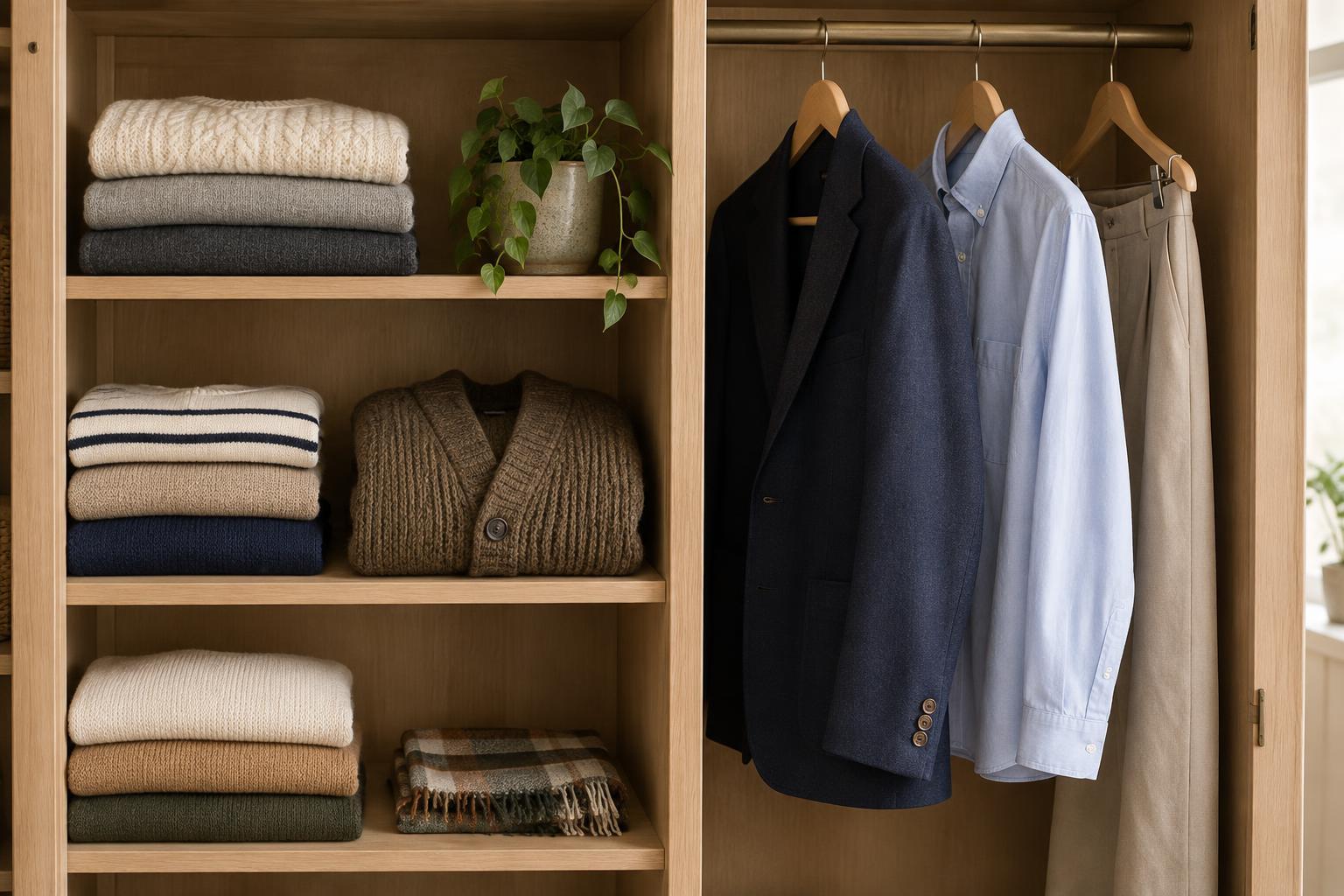
Read article · 3 min↗The best storage method depends less on the name of a garment than on its fabric, weight and construction. Learn when folding helps prevent stretching, when hanging helps limit creases, and how to make room for both.
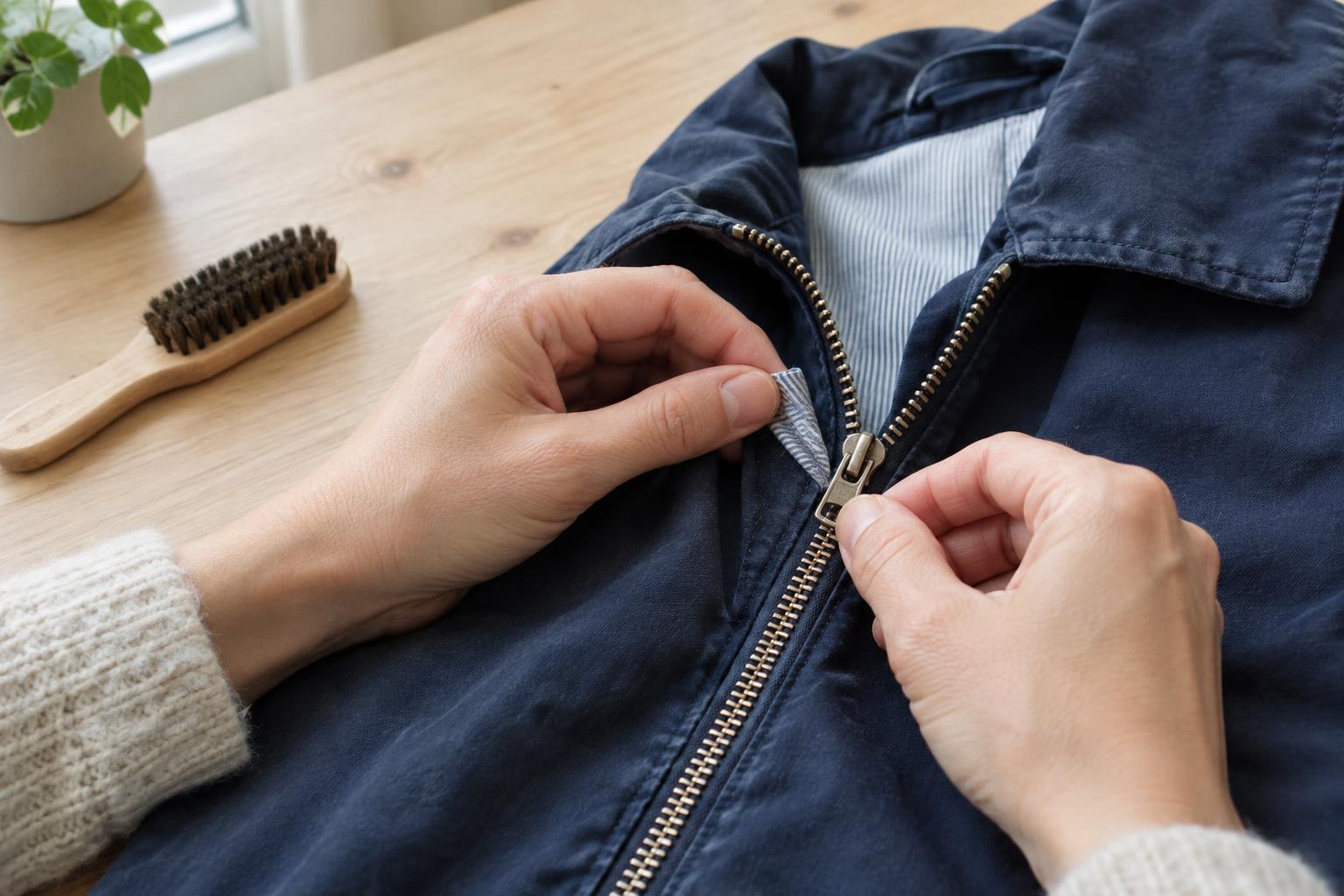
Read article · 4 min↗A stuck zip does not always mean a garment needs a new one. Learn how to check for trapped fabric, dirt and misaligned teeth, then care for clothing zippers so they keep working smoothly.
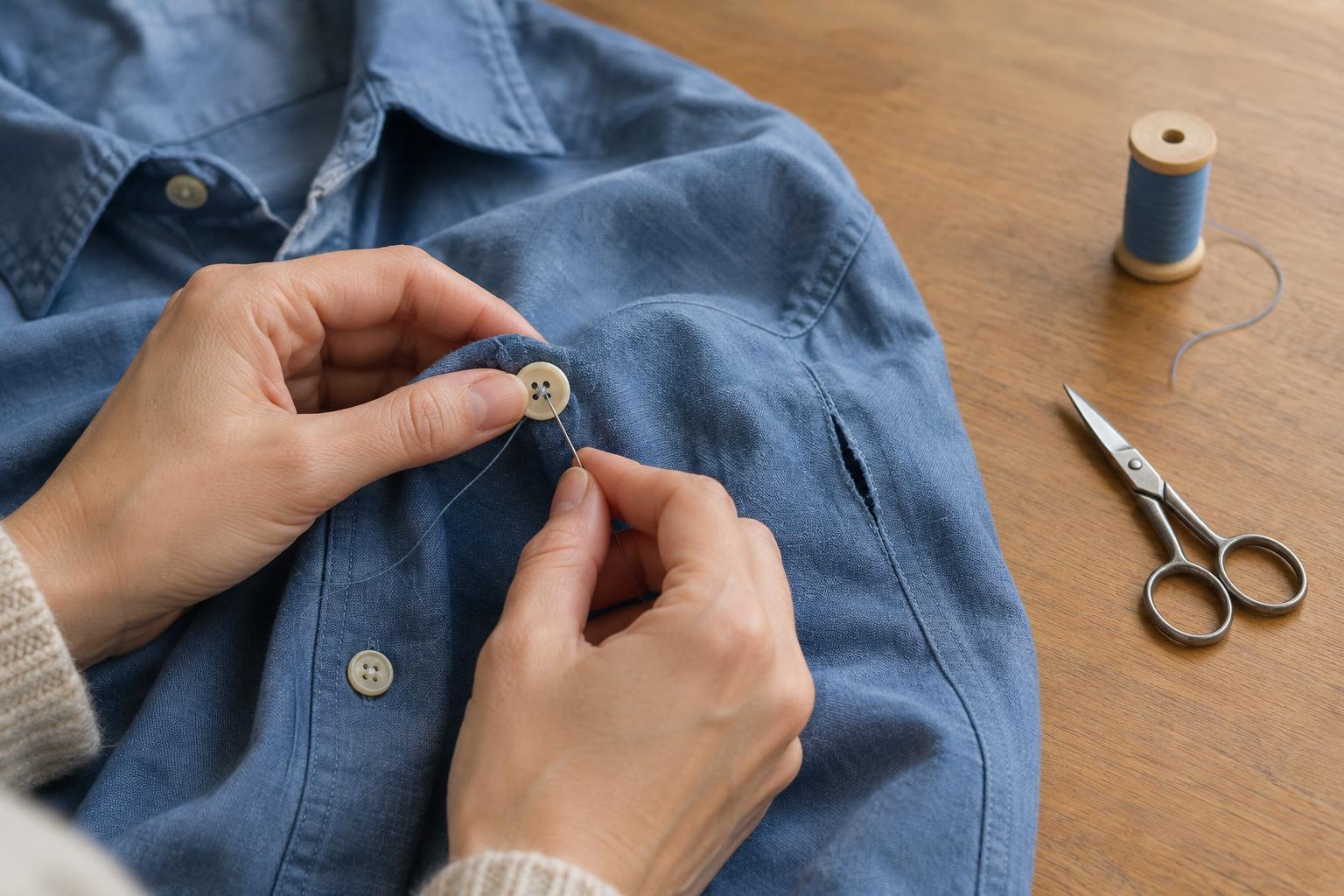
Read article · 3 min↗A loose button or short seam split does not have to put a favourite garment out of rotation. Learn how to prepare the fabric, make a secure hand repair and check your work before wearing it again.
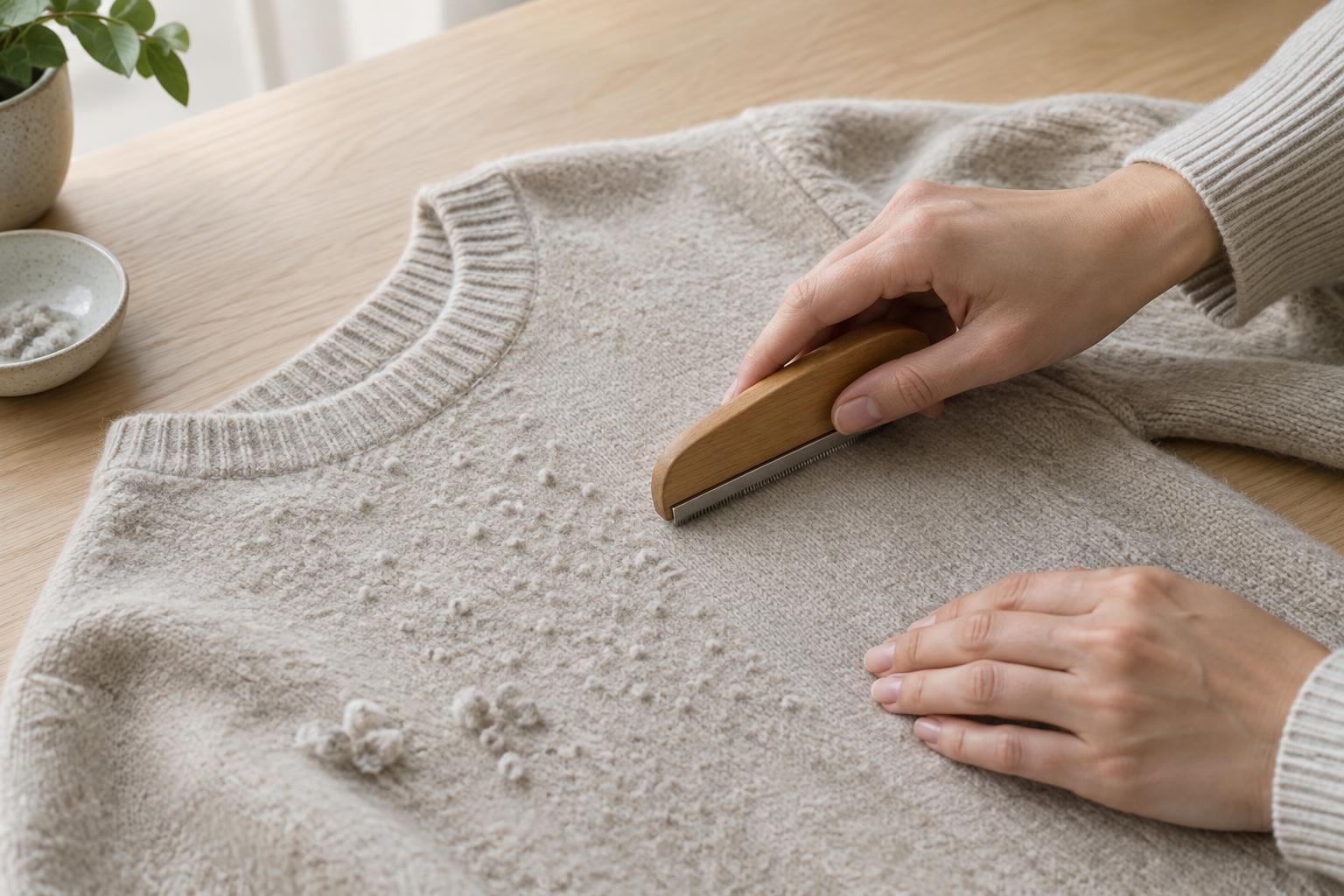
Read article · 4 min↗Fabric pills can make a favourite sweater or coat look worn before its time. Learn how to remove them gently, choose the right tool for different fabrics, and reduce pilling in future washes.
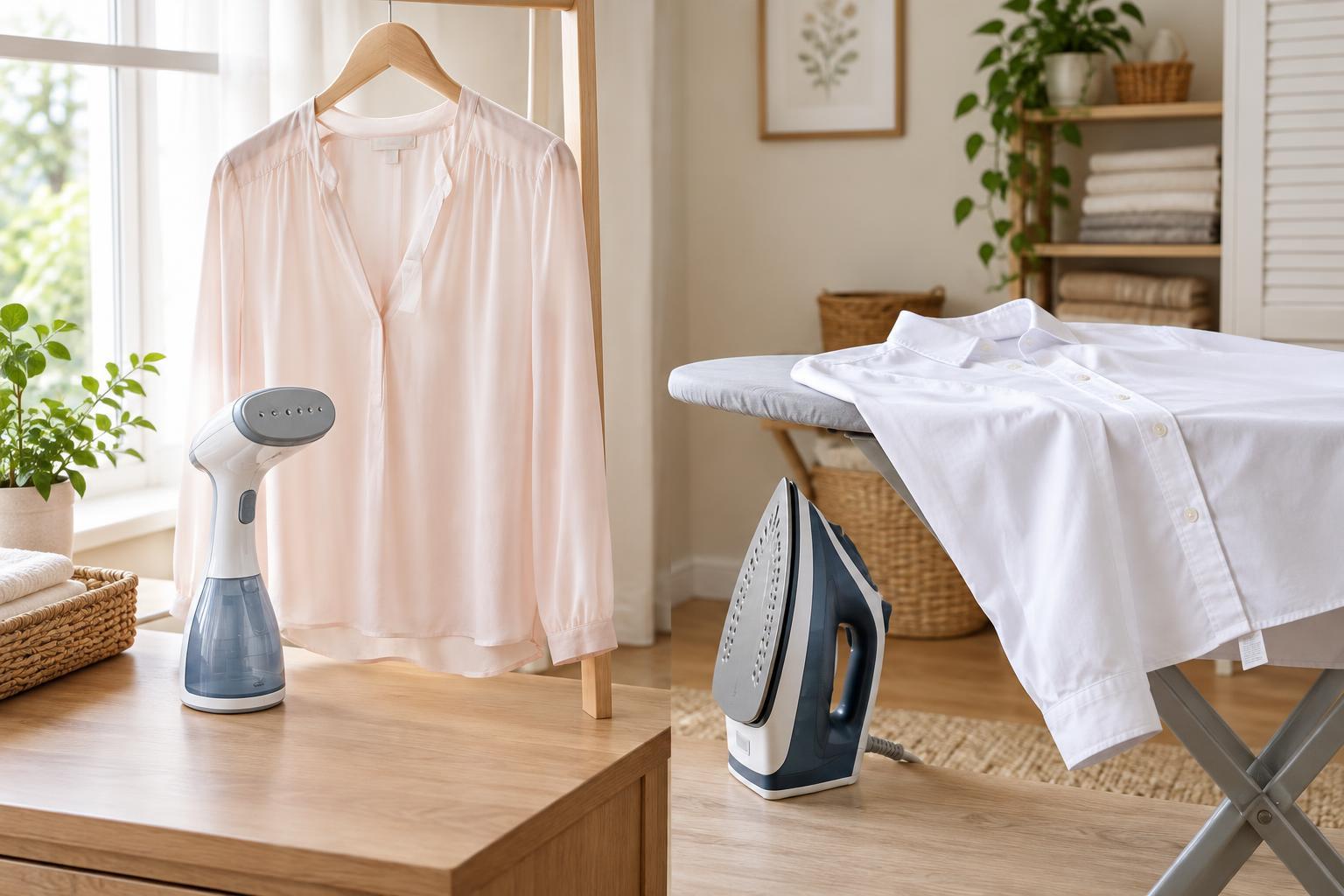
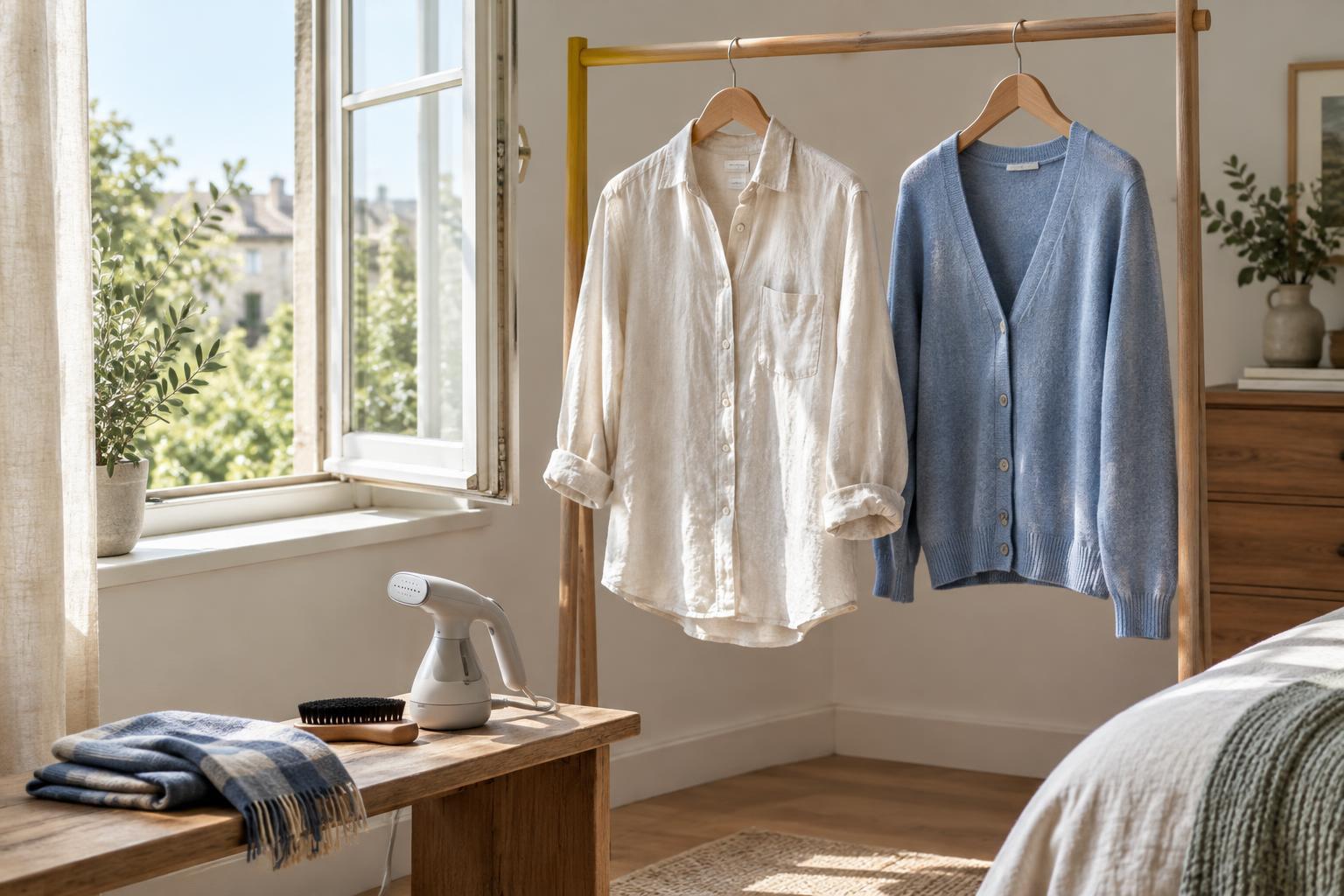
Read article · 4 min↗Steaming and ironing both smooth wrinkles, but they work differently. Learn when to use each method, how to check a garment’s care label, and how to avoid common mistakes with delicate and structured clothes.
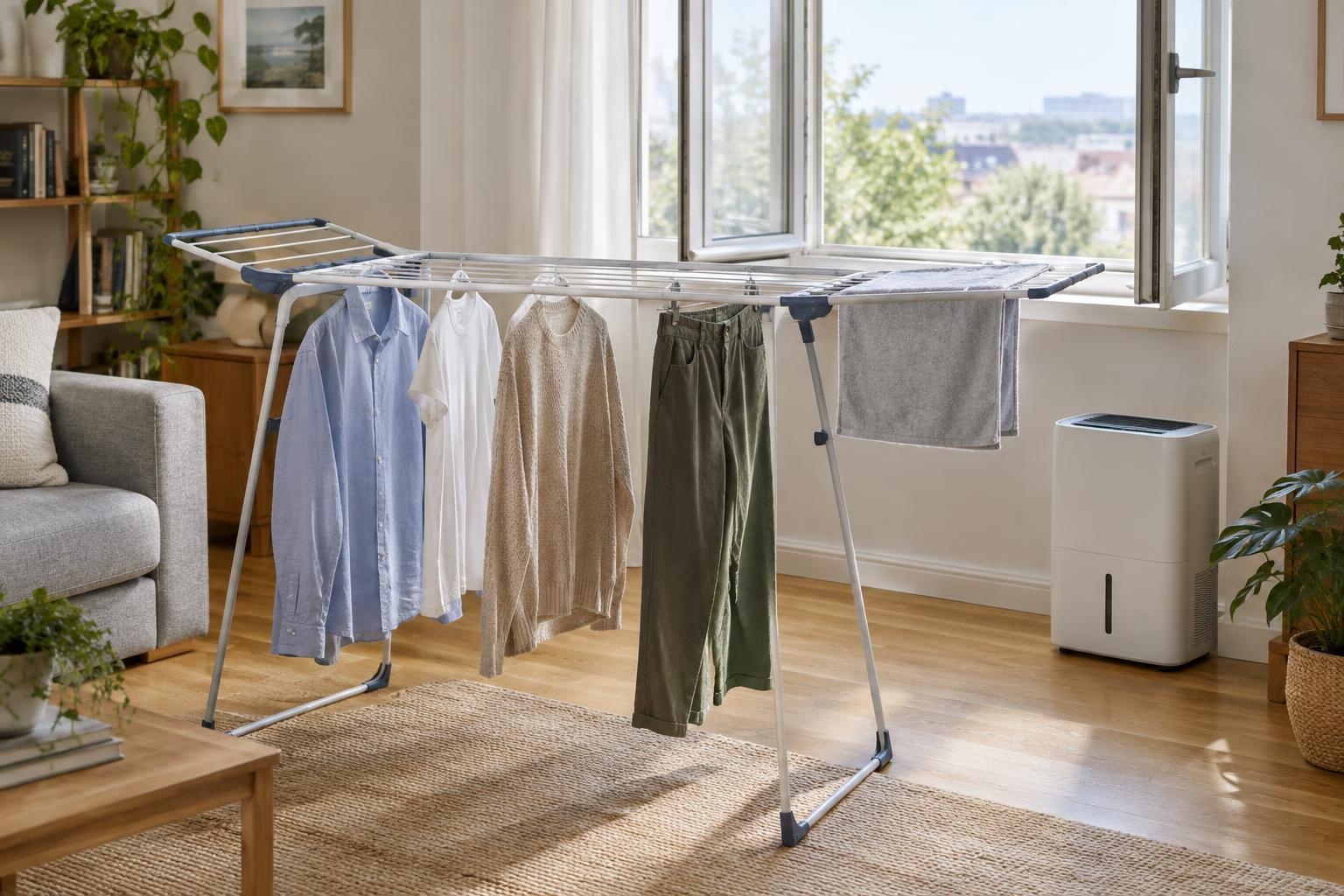
Read article · 4 min↗Indoor air-drying can leave clothes fresh and ready to wear, even when outdoor drying is not an option. The key is to remove excess water, give each item room, and manage moisture in the room rather than letting laundry sit damp for too long.
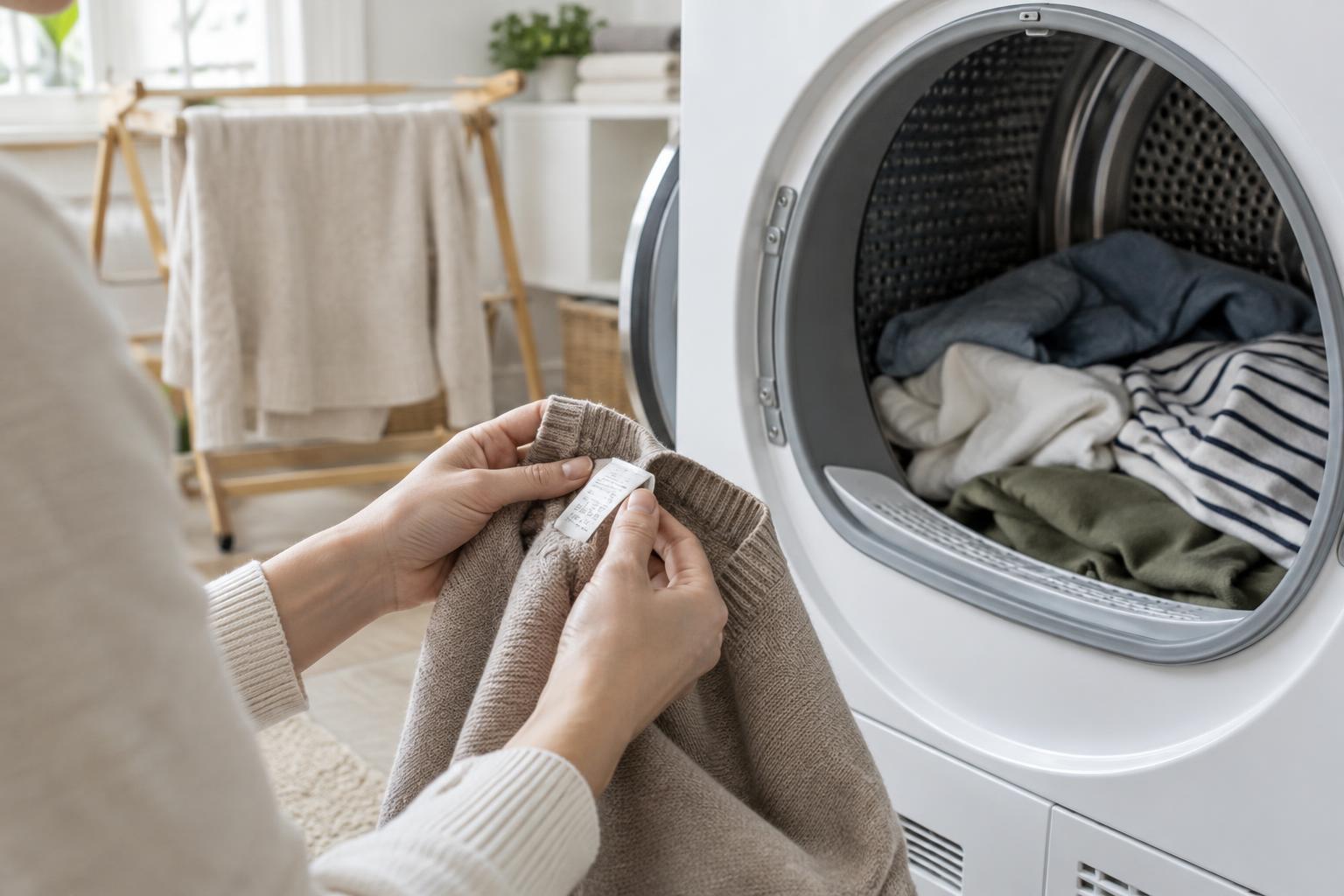
Read article · 4 min↗A tumble dryer can make laundry easier, but heat and over-drying can change the fit of some garments. Learn how to read care labels, choose gentler settings and decide when air-drying is the safer option.
Read article · 4 min↗Not every worn garment needs an immediate wash. Learn how to air out, spot-clean, steam and store clothes between wears, while recognising when laundering is the better choice.
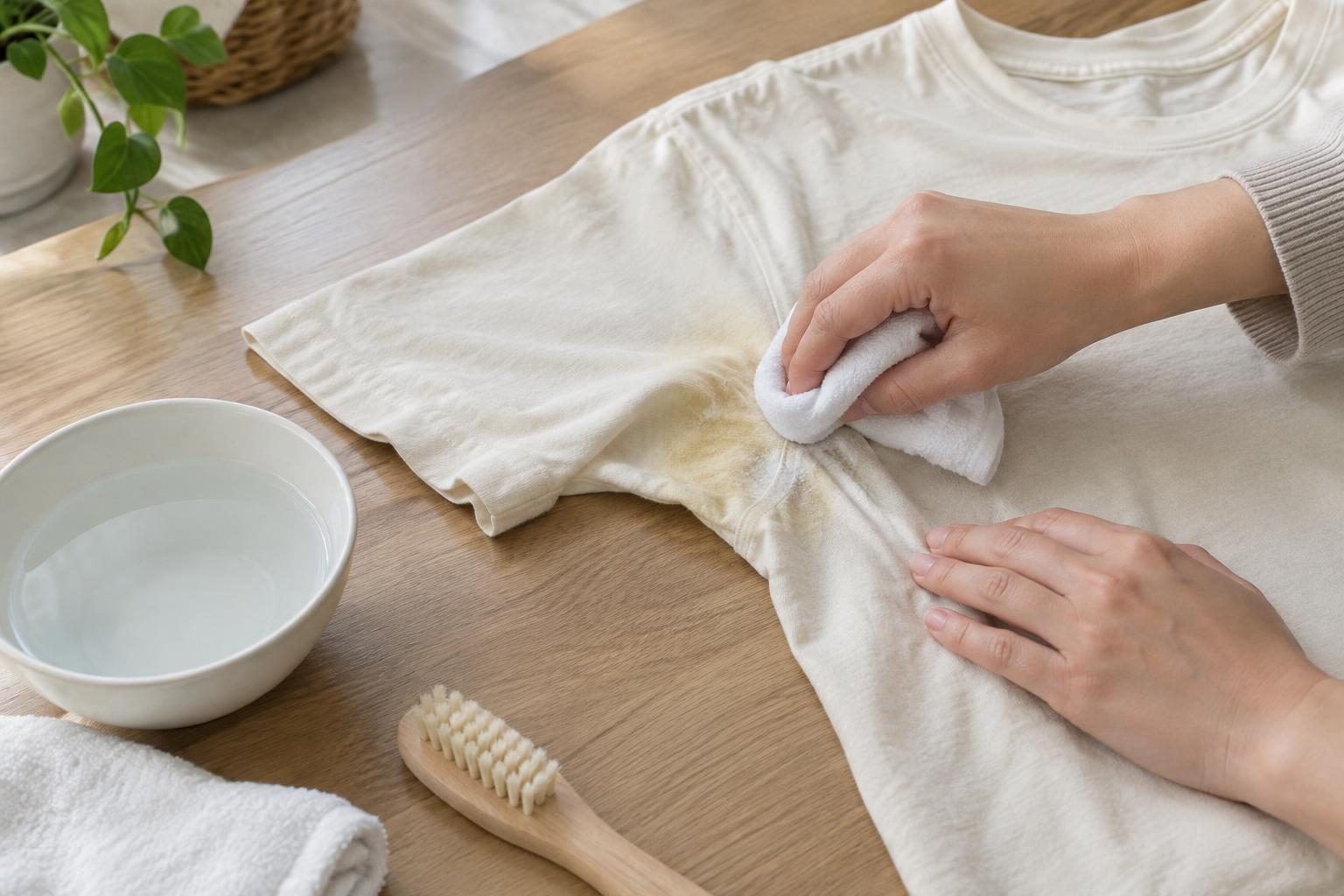
Read article · 4 min↗Underarm marks need different treatment depending on whether they are fresh sweat, yellowed fabric, white deodorant streaks or waxy buildup. Learn a gentle cleaning routine, when to try a longer soak and how to keep marks from setting.
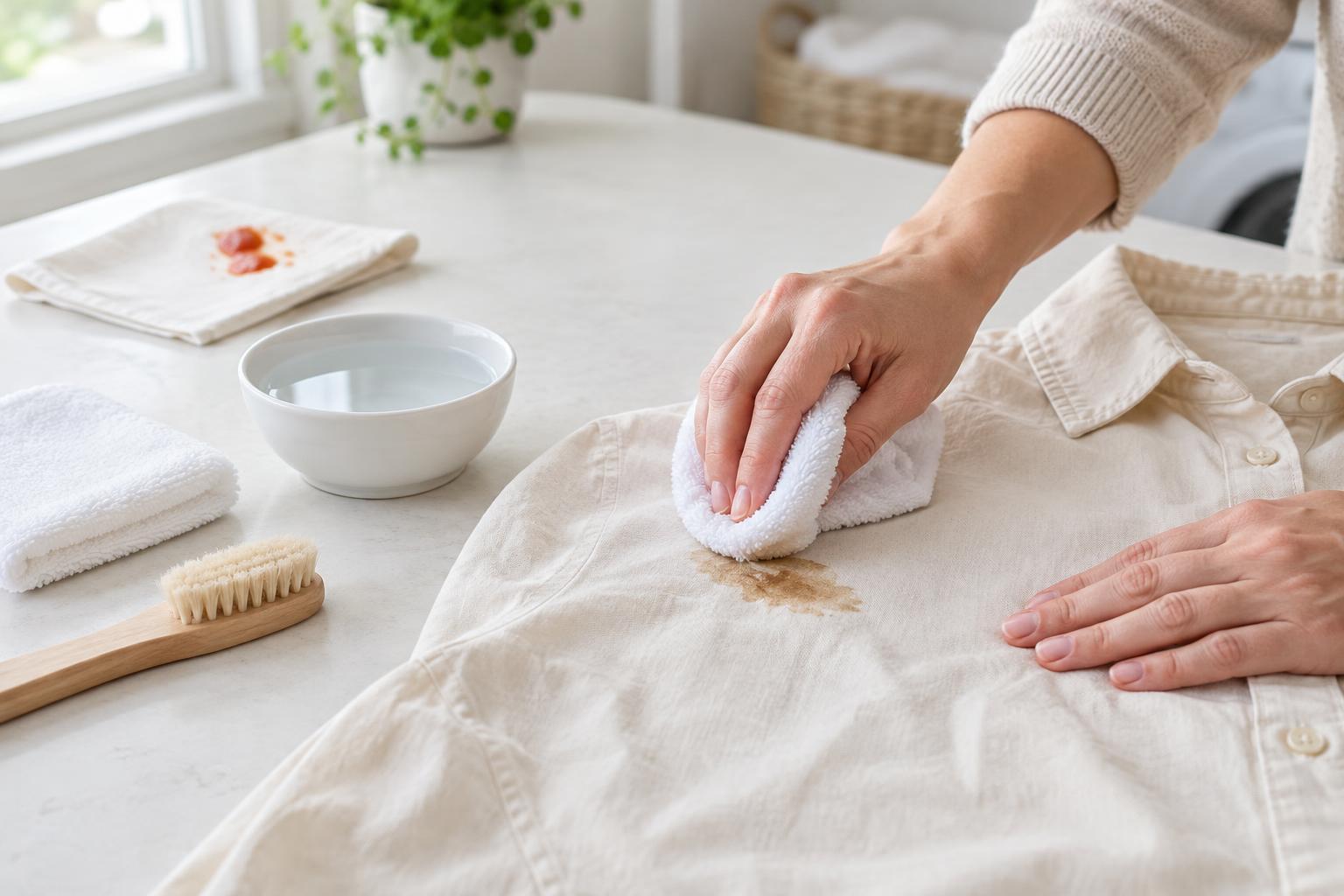
Read article · 4 min↗A spill does not have to become a permanent mark. Learn a practical first response for grease, coffee, tea, wine, tomato sauce and protein-based foods, with fabric-care precautions that help protect the clothes you enjoy wearing.
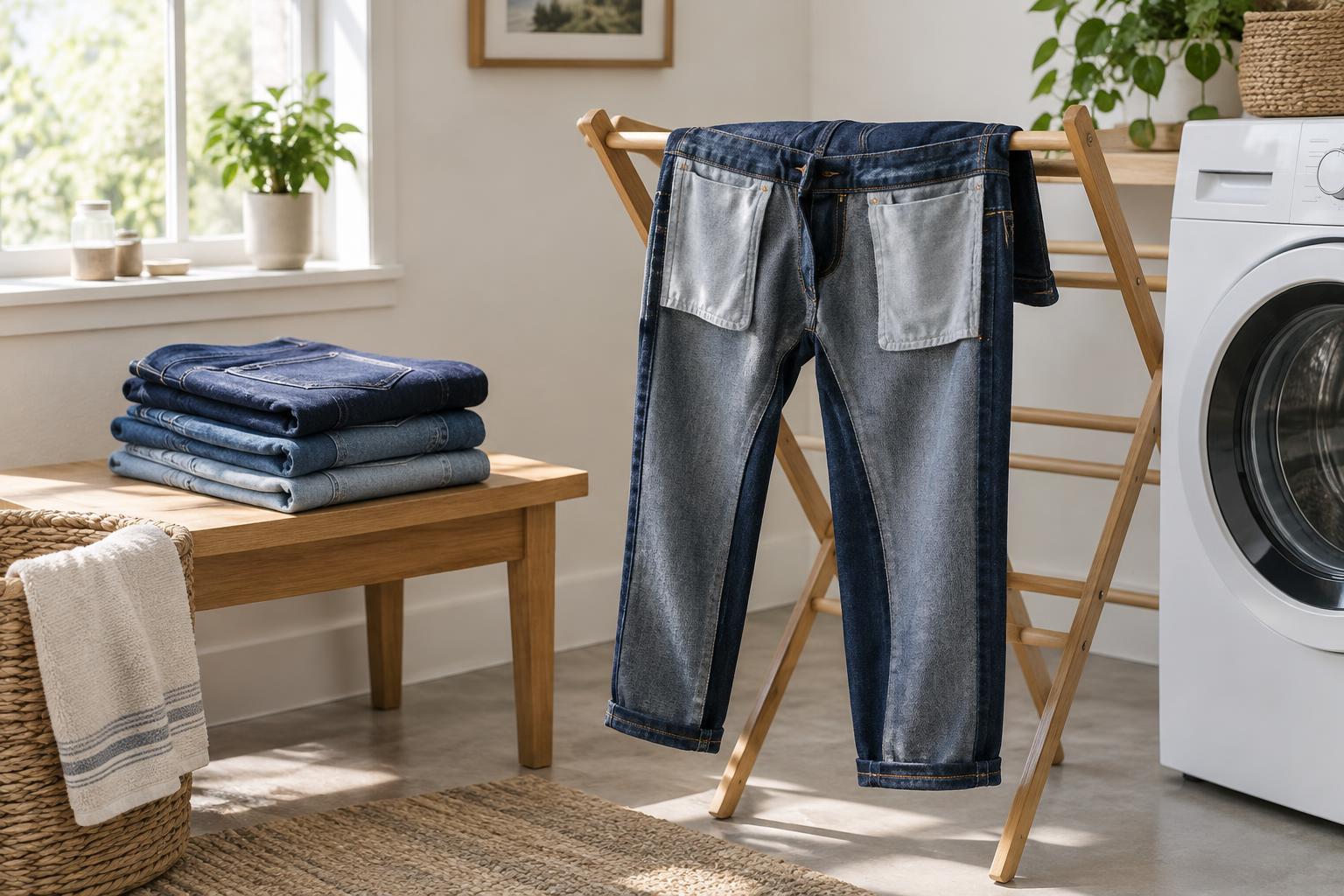
Read article · 4 min↗Jeans do not need a complicated laundry routine to keep their colour. Learn when to wash them, how to prepare a load, and why a cool, gentle wash followed by careful drying can help limit fading.
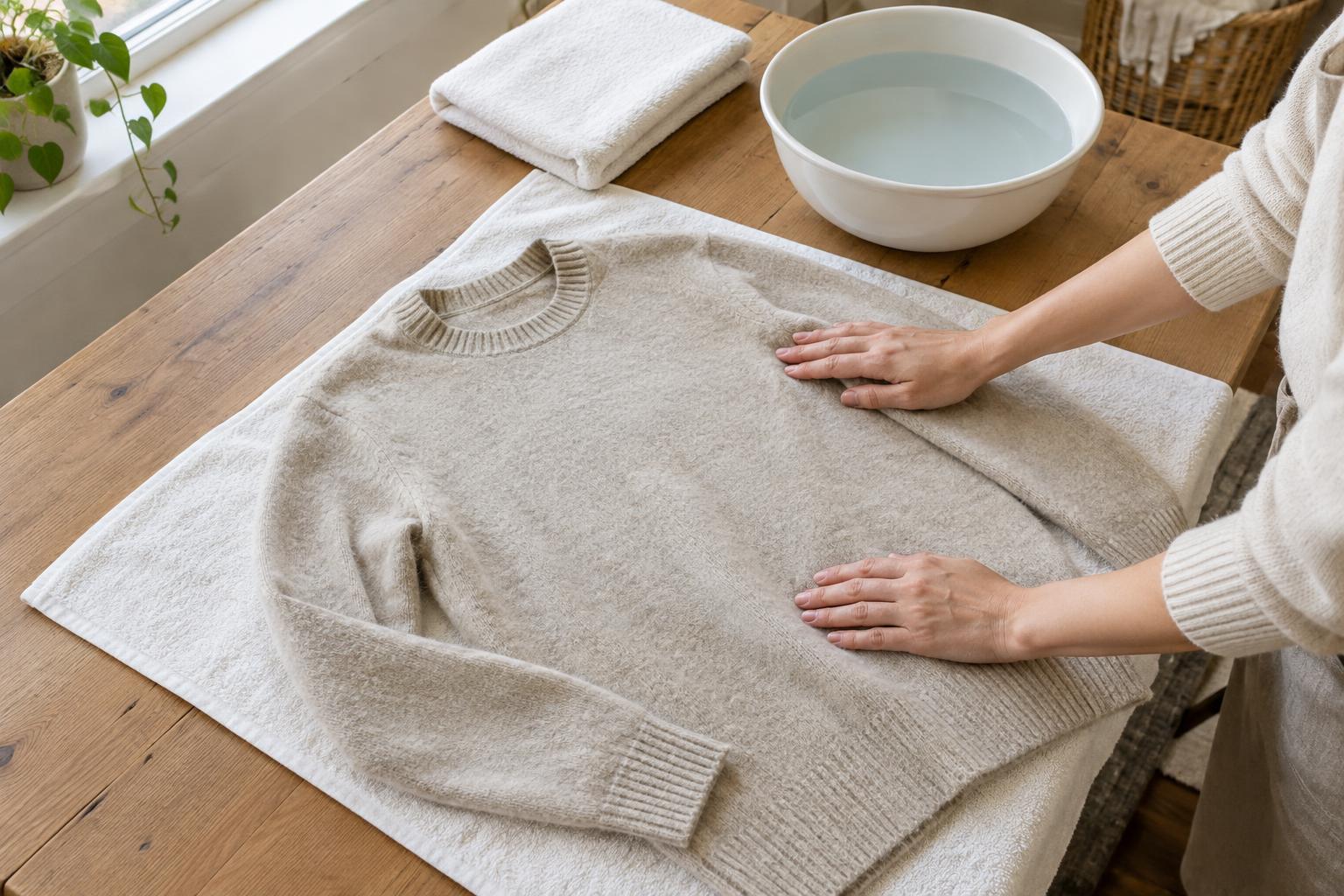
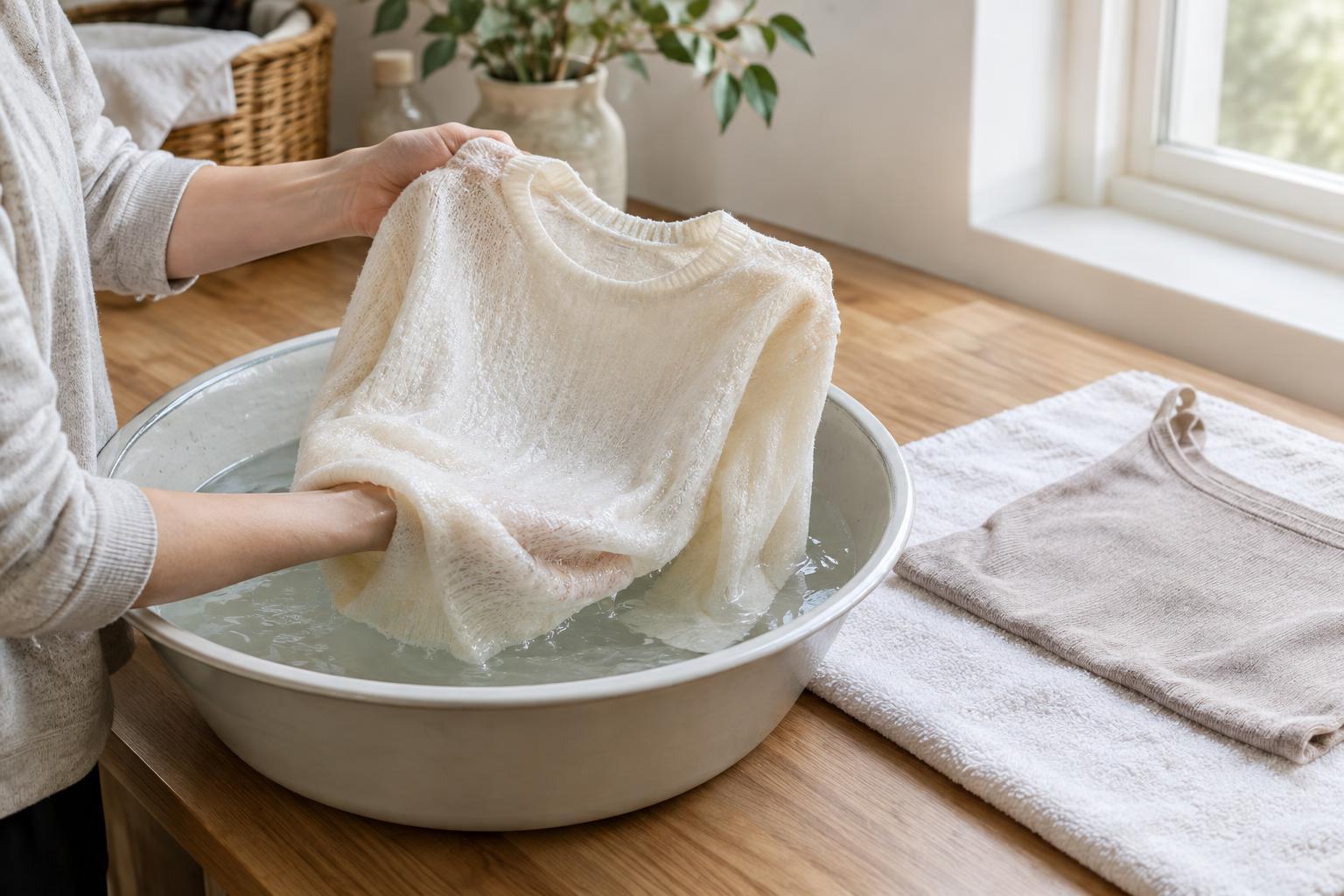
Read article · 4 min↗Wool sweaters benefit from gentle washing, steady water temperatures and careful drying. Learn when to hand-wash, when a machine is suitable and how to help a sweater keep its shape.
Read article · 4 min↗Delicate clothes often need gentle handling as much as gentle detergent. Learn how to check the care label, wash with minimal pulling, lift wet garments safely and dry them in a way that helps preserve their shape.
Read article · 4 min↗Choosing a wash cycle and filling the drum need not be guesswork. Learn how to read clothing labels, match common cycles to your laundry, leave room for clothes to move and make small adjustments for a better everyday wash.
Read article · 4 min↗The right detergent is one that suits your clothes, washing machine and usual laundry loads. Learn how to compare common detergent types, read dose instructions and avoid using more than you need.
Read article · 4 min↗The best washing temperature depends on the care label, fabric, colour and type of soil. Learn when a cool wash is enough, when a warmer wash may help, and how to avoid common laundry mistakes.
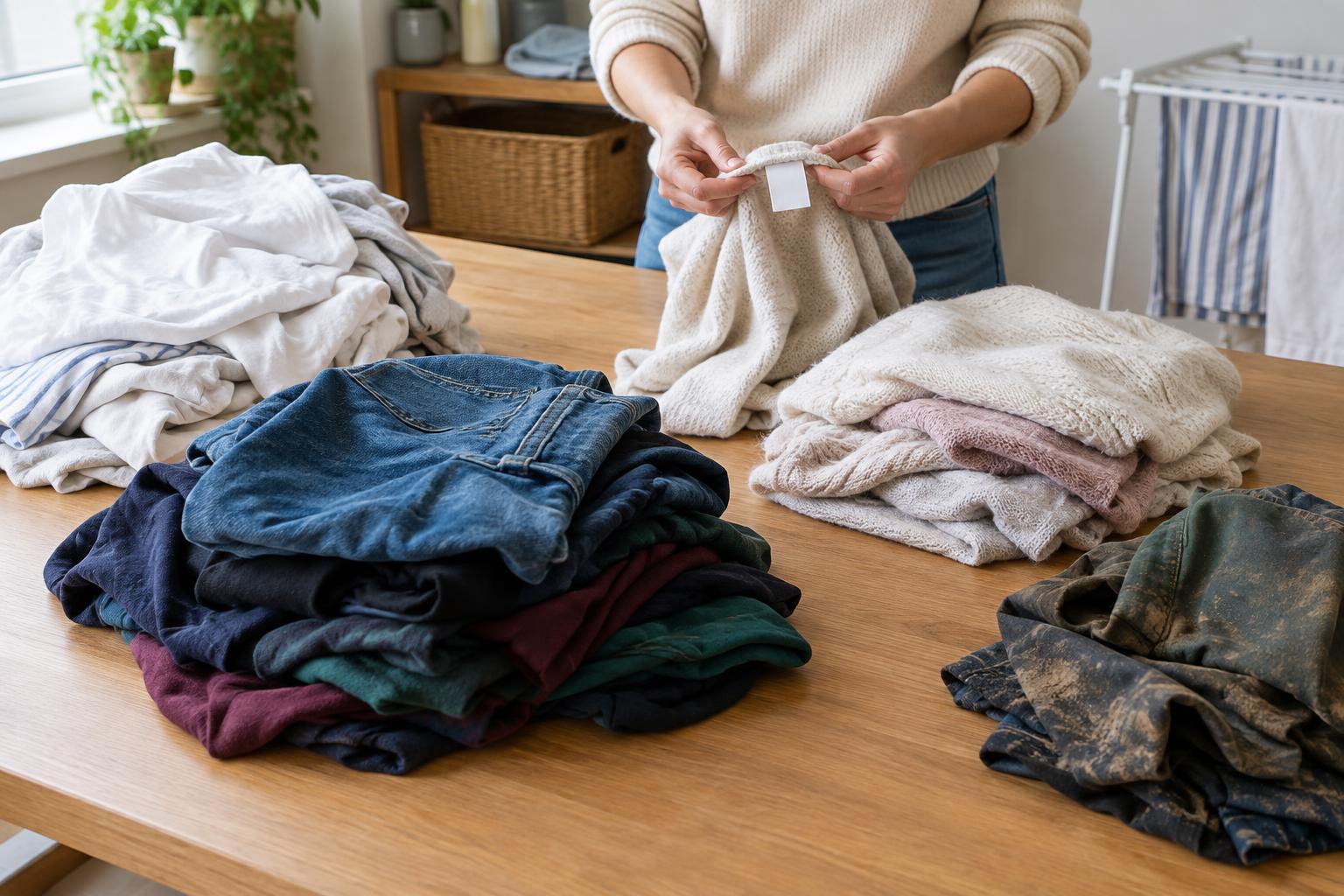
Read article · 4 min↗A practical laundry-sorting routine can help protect colour, reduce fabric wear and give dirty items the attention they need. Learn when to separate loads and when a simpler approach will do.
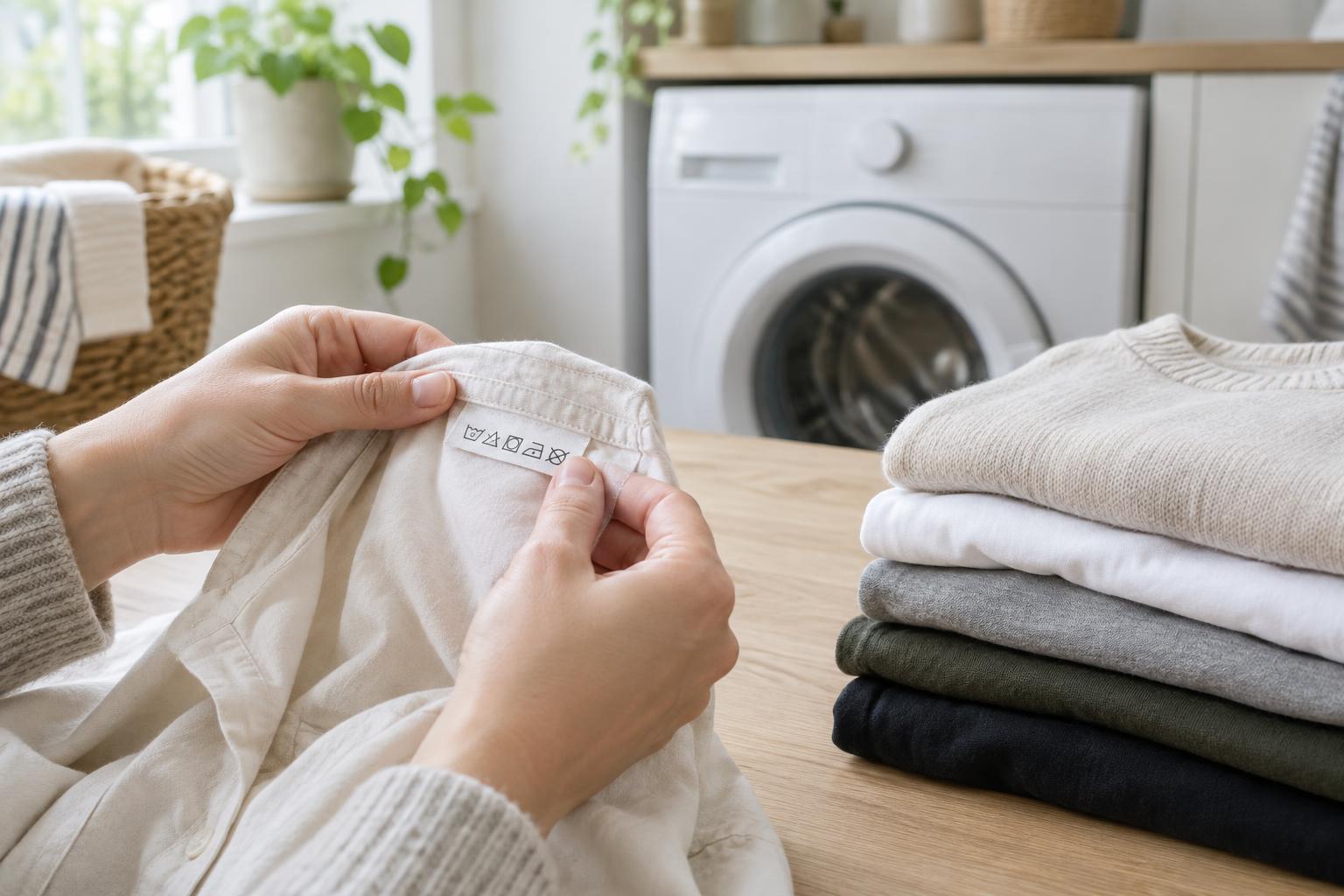
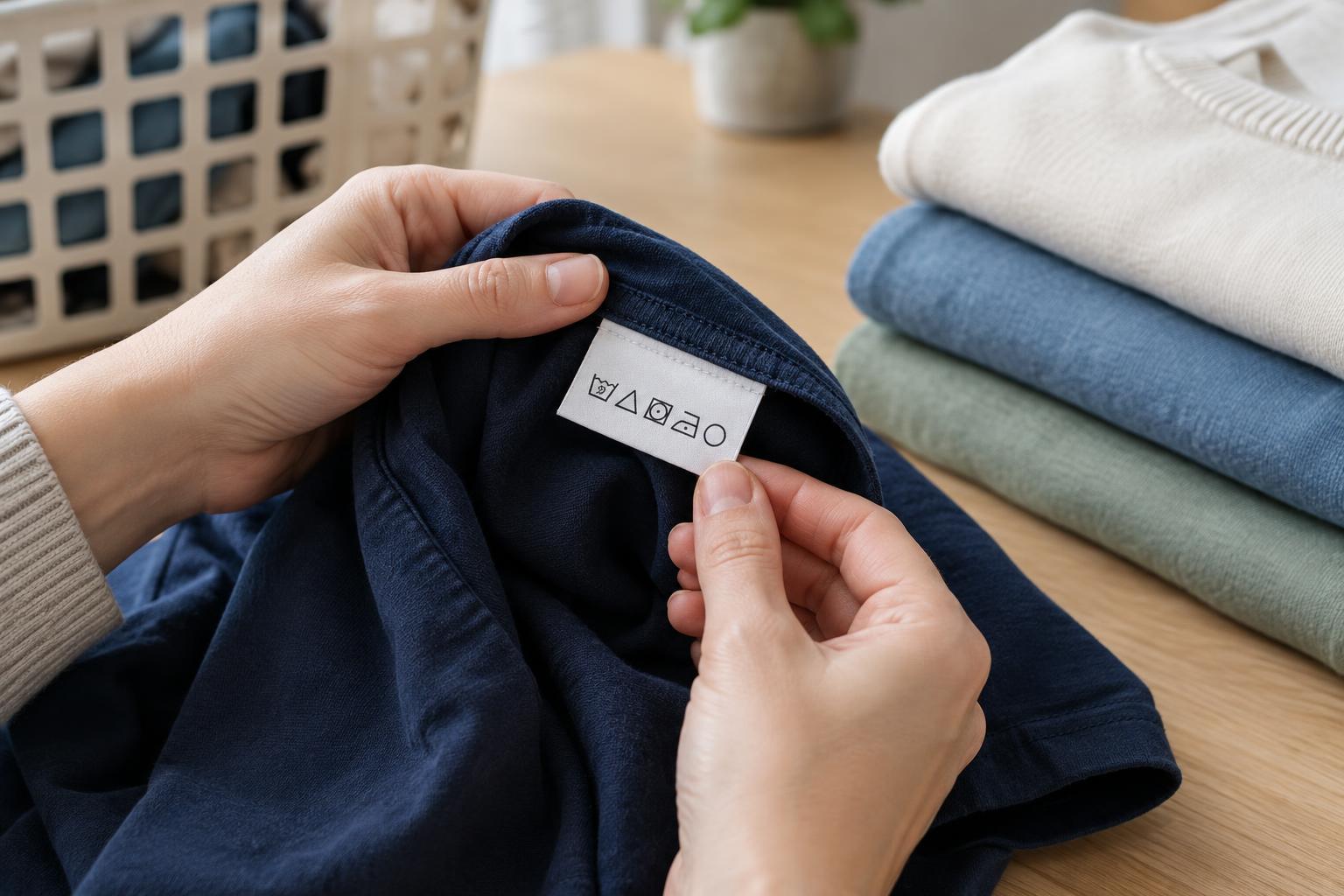
Read article · 4 min↗Clothing care labels can look like a puzzle, but their symbols follow a useful pattern. Learn how to read washing, bleaching, drying, ironing and professional-care instructions before you start a load.
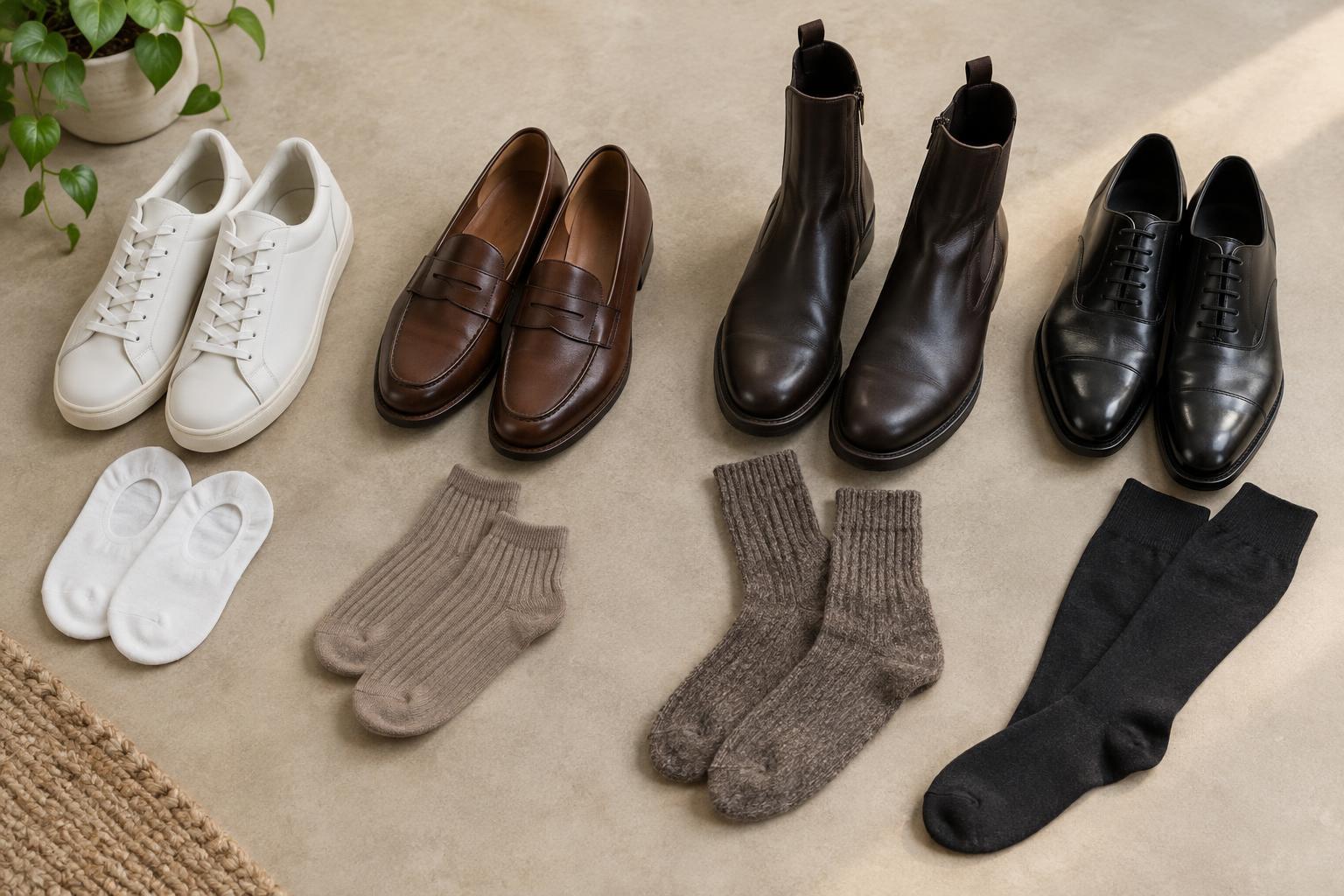
Read article · 4 min↗The right socks can make shoes feel more comfortable and help an outfit look intentional. Learn how to match sock length and fabric to trainers, loafers, boots and dress shoes, with room for personal preference.
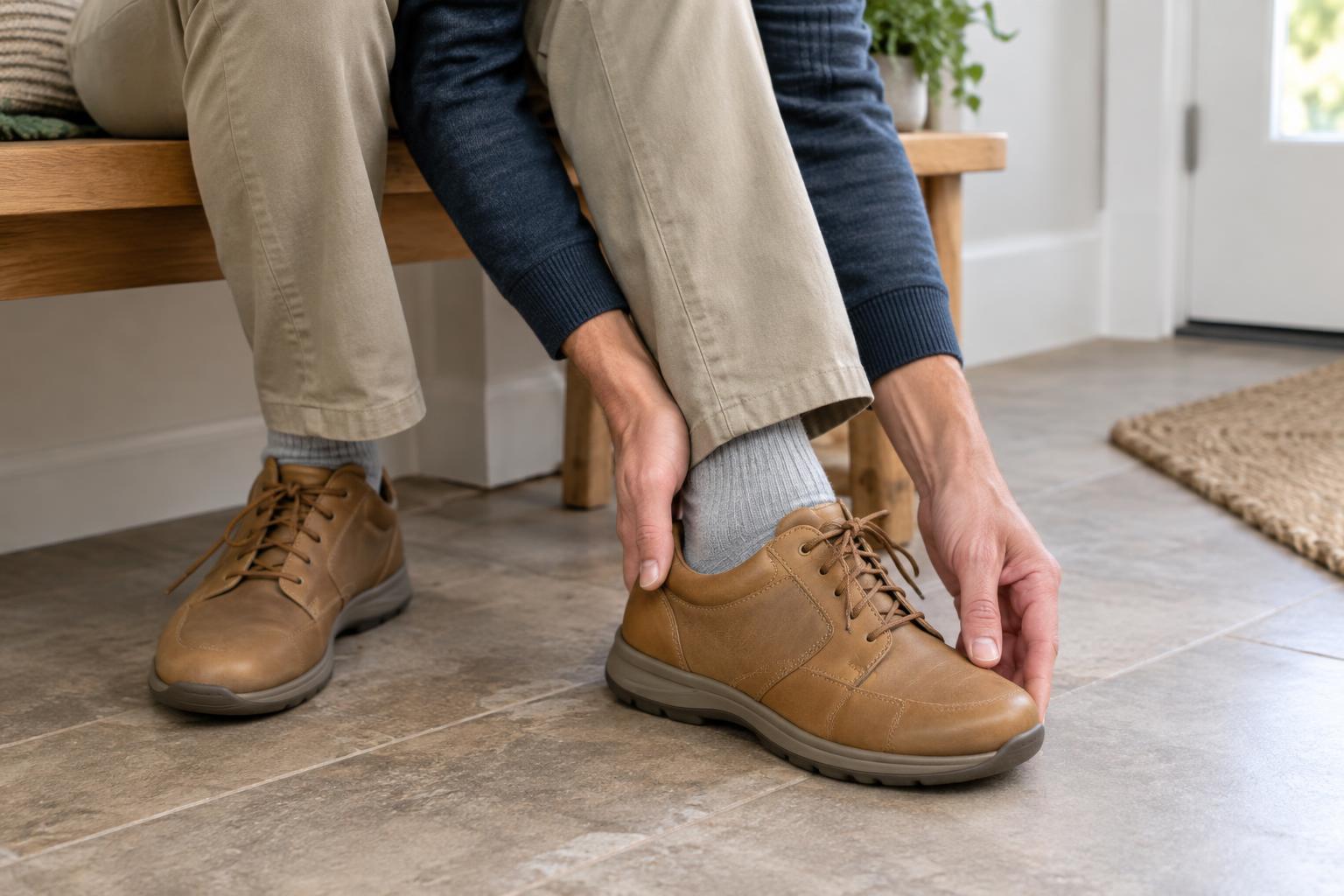
Read article · 4 min↗A shoe can look right and still feel wrong after a walk. Learn a practical way to check length, width, heel hold and walking comfort before making it part of your everyday wardrobe.
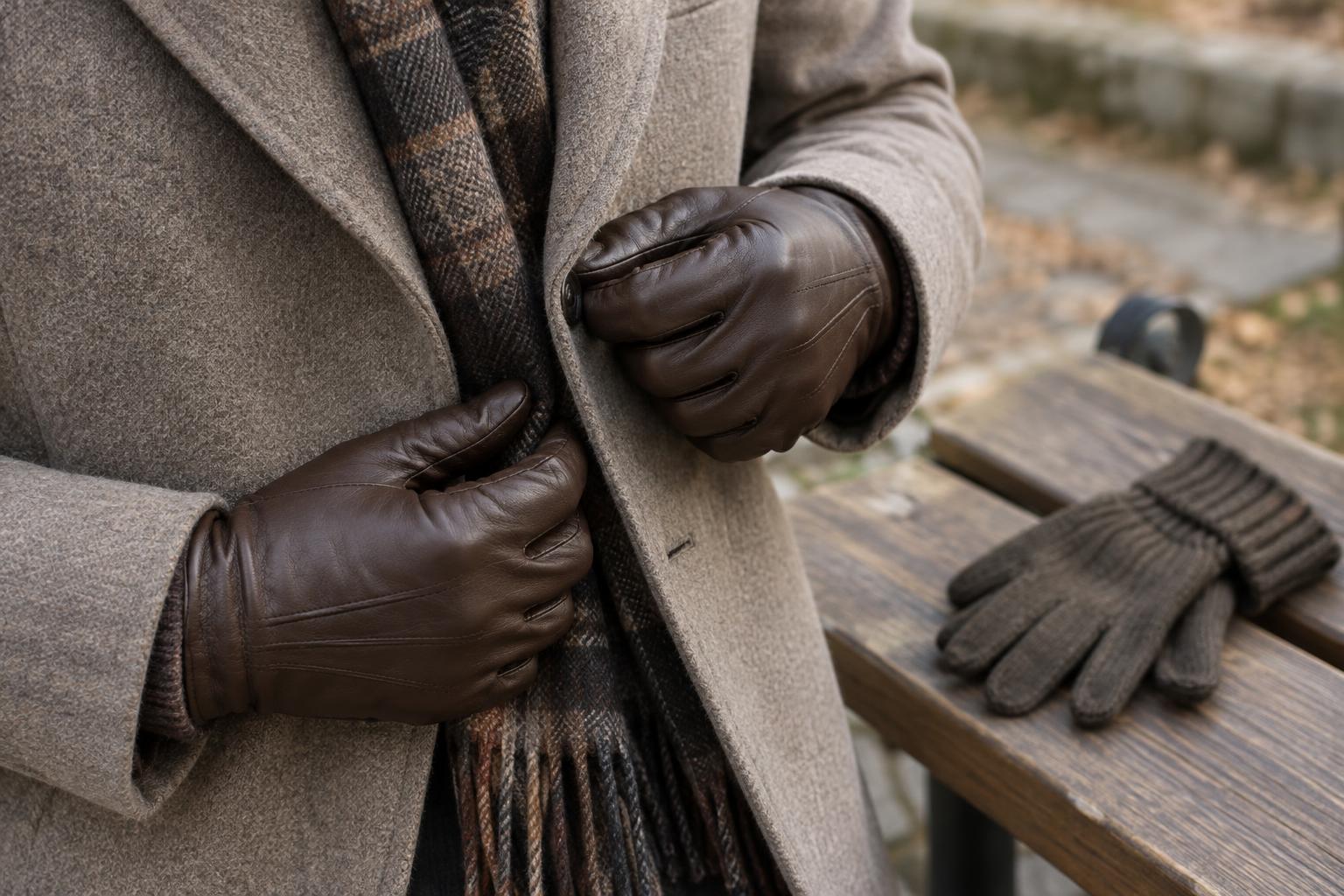
Read article · 4 min↗The right everyday gloves keep your hands comfortable without making simple tasks awkward. Learn how to compare fit, insulation, weather protection and practical details before choosing a pair.
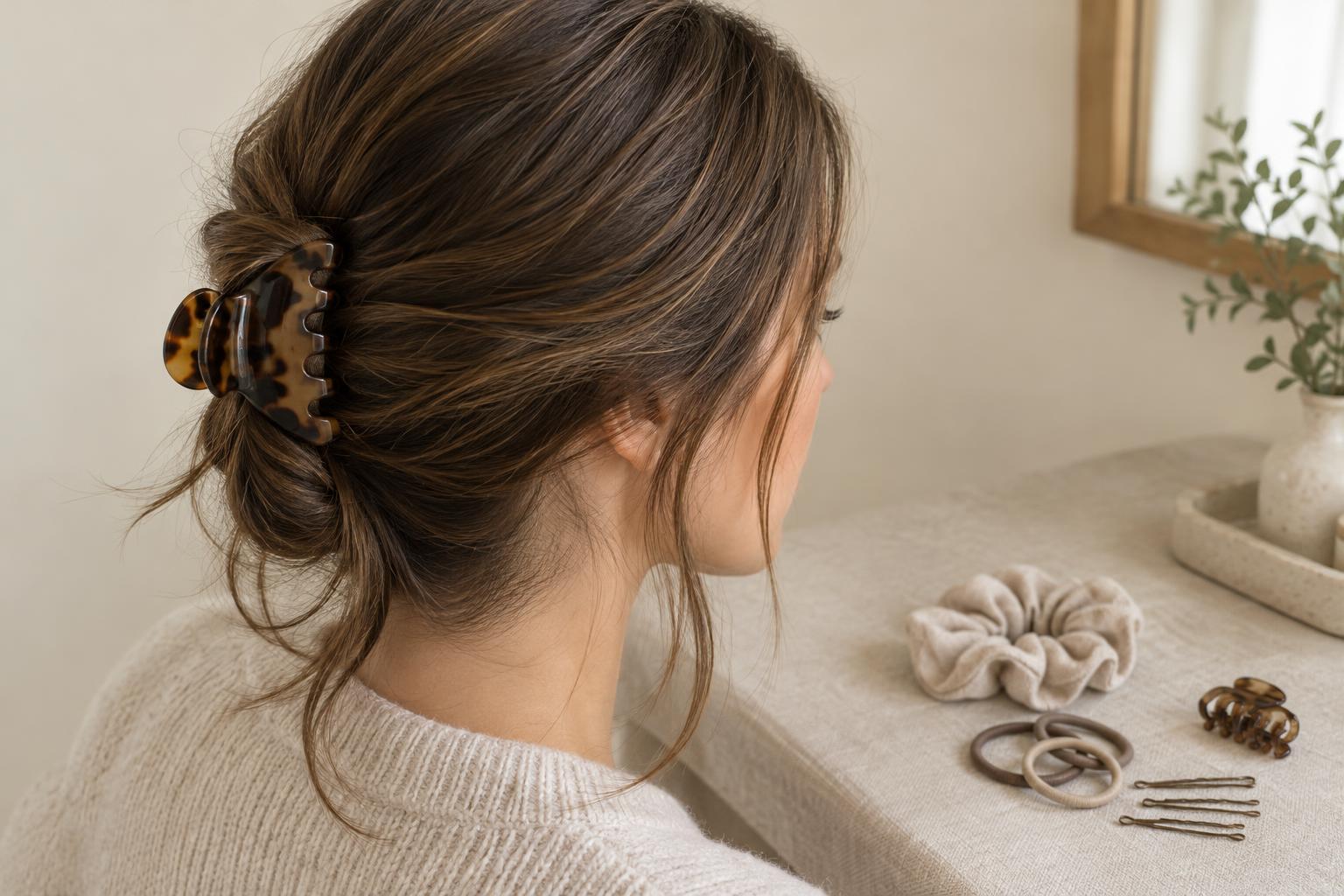
Read article · 4 min↗A hair accessory should keep your style in place without making you eager to take it out. Learn how to match clips, pins and ties to your hair, adjust their placement and spot the small details that make a comfortable hold.
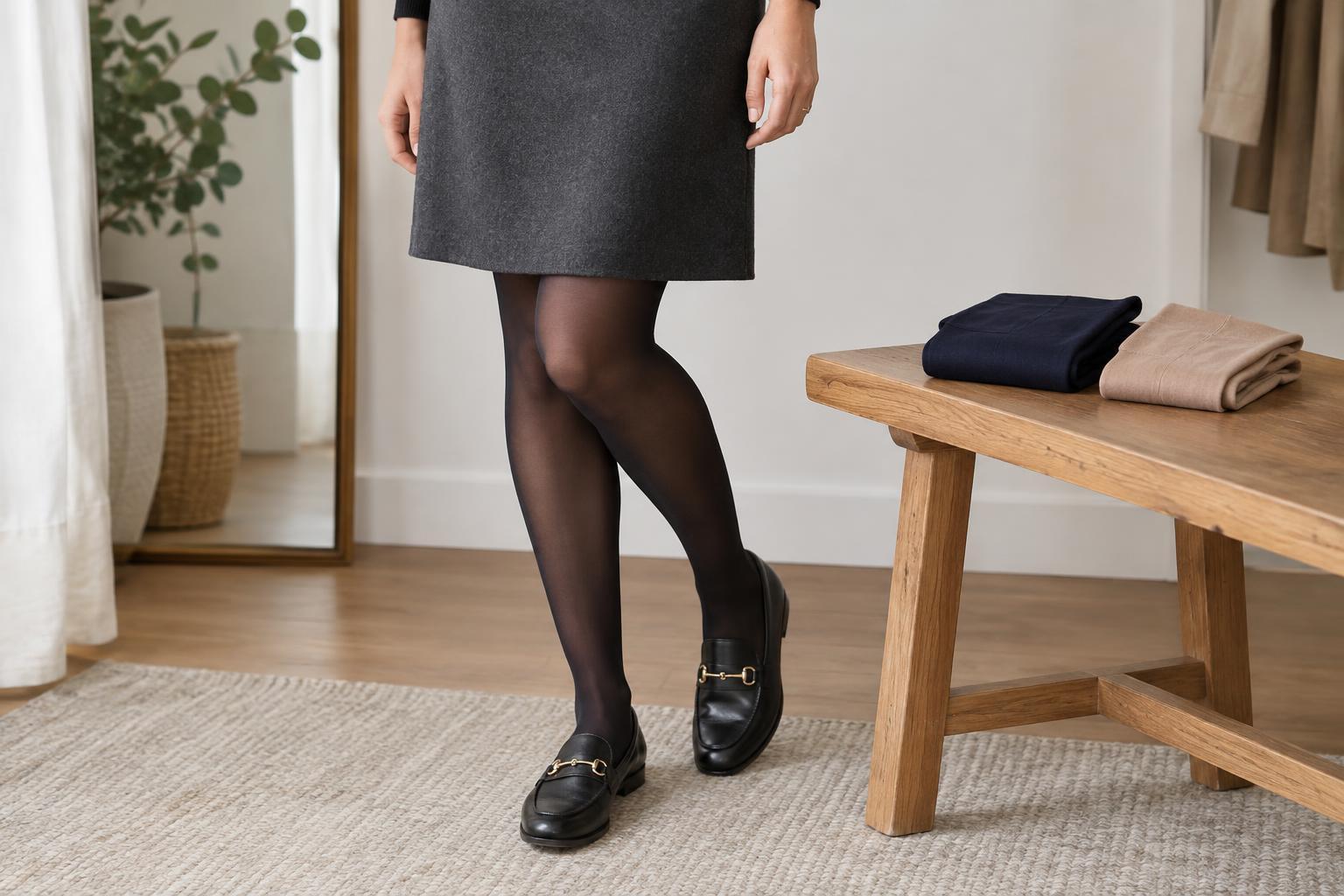
Read article · 4 min↗The right tights can change how an outfit looks and feels. Learn what denier tells you, why fit matters as much as size, and how to choose a finish that works with your clothes.
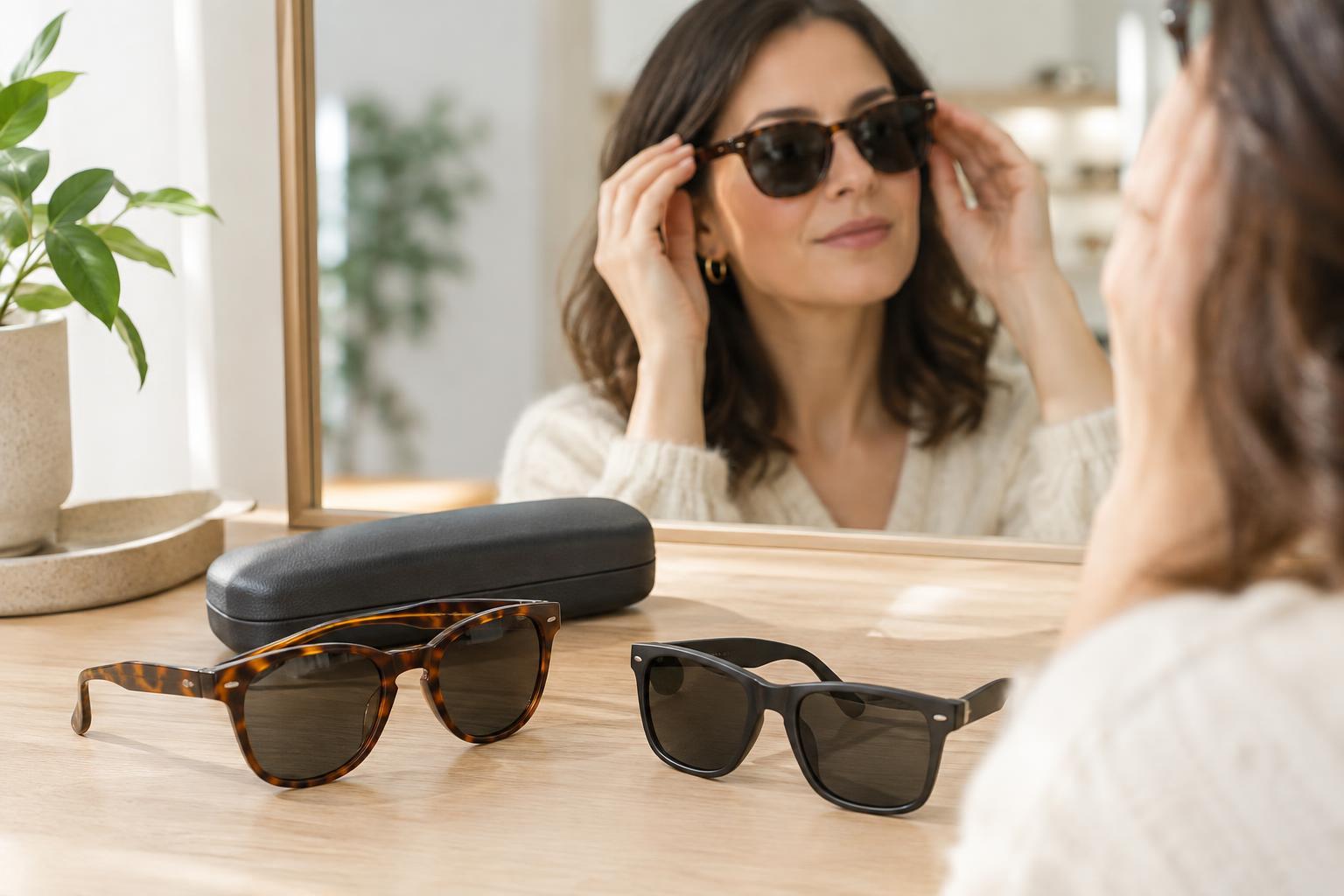
Read article · 4 min↗The best sunglasses suit your everyday outfits, stay comfortable and offer clearly labelled UV protection. Learn what to check on the lenses, how to assess the fit and which style details are worth considering.
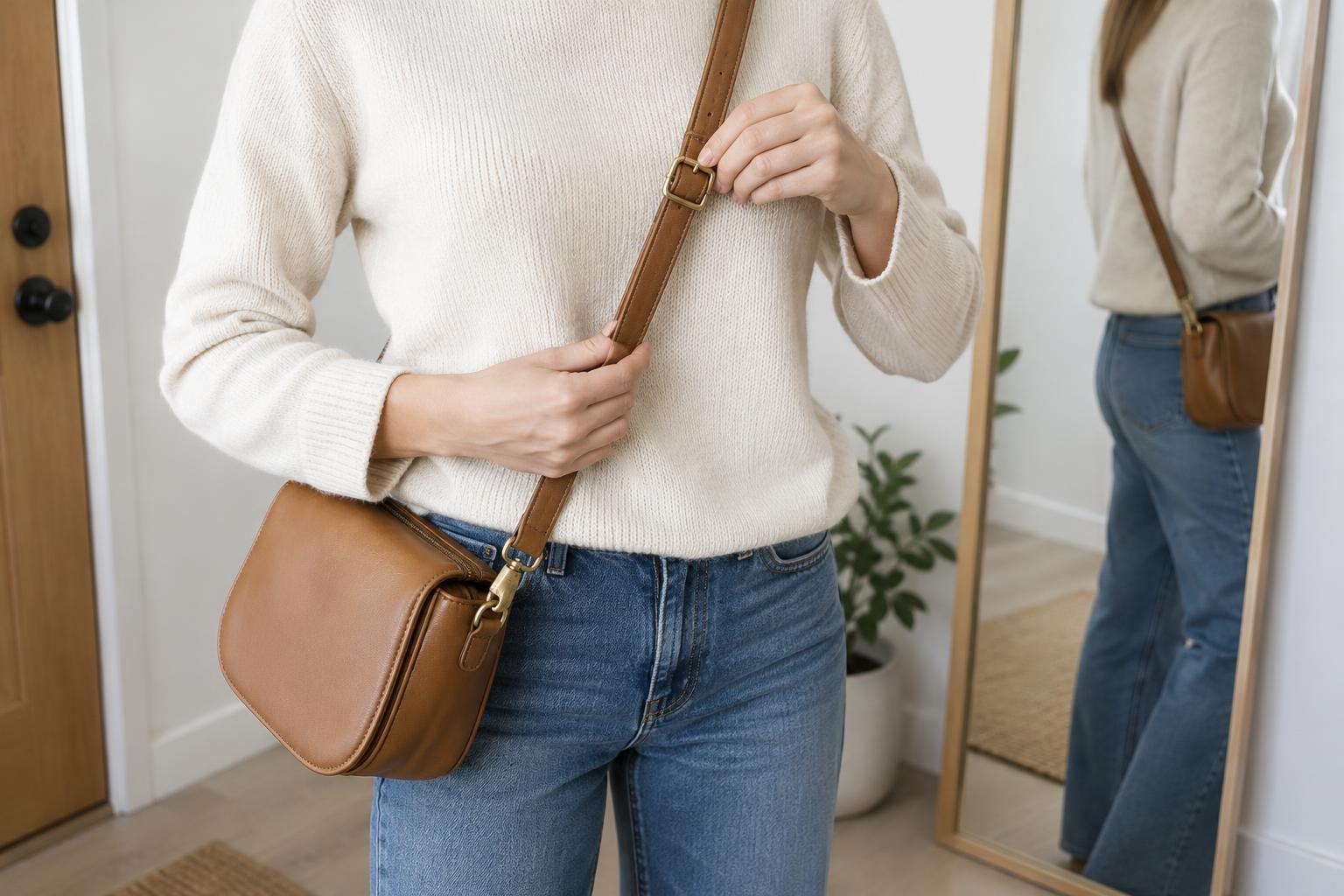
Read article · 4 min↗A bag strap that is too long or too short can make an otherwise useful bag awkward to carry. Learn how to find a comfortable length for shoulder and crossbody bags, adjust common strap styles, and check the fit with your everyday clothes.
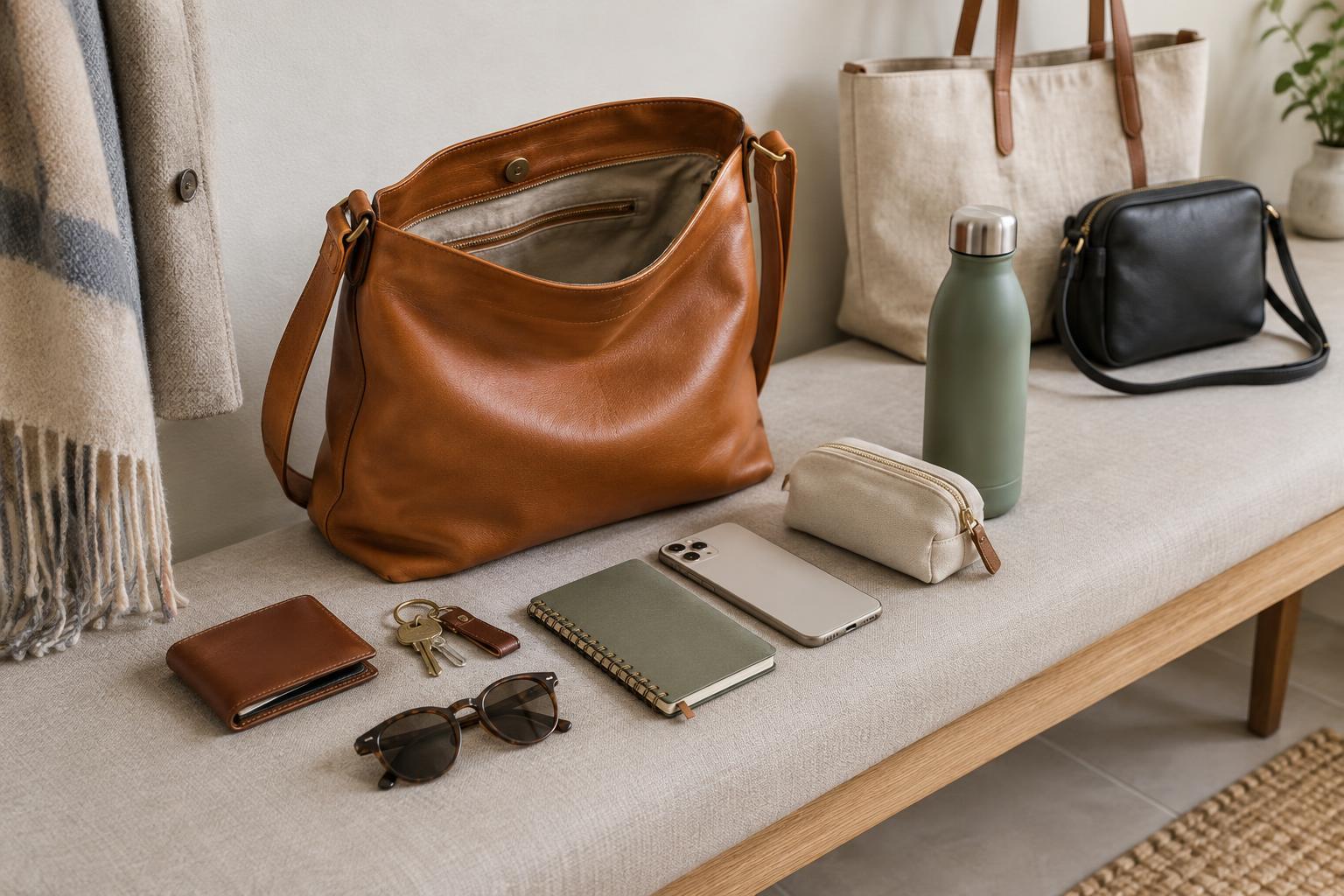
Read article · 4 min↗The right everyday bag has room for your essentials without encouraging you to carry everything you own. Learn how to check your usual load, compare useful capacity, and choose a size that feels comfortable with your clothes and routine.
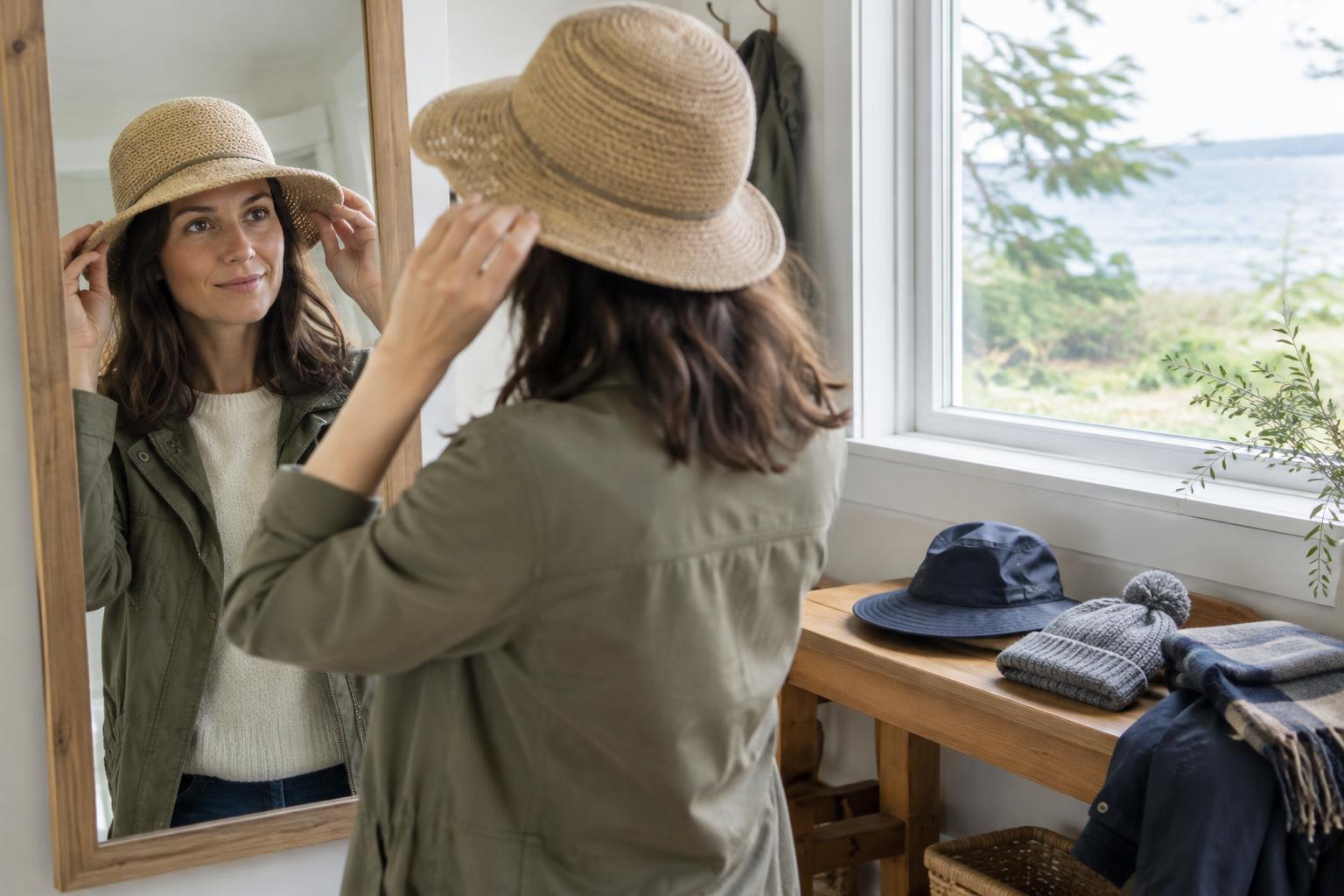
Read article · 4 min↗A useful hat should feel comfortable, work with the day’s weather, and fit naturally into your wardrobe. Learn how to check the fit, compare materials and brims, and choose a hat you will enjoy wearing.
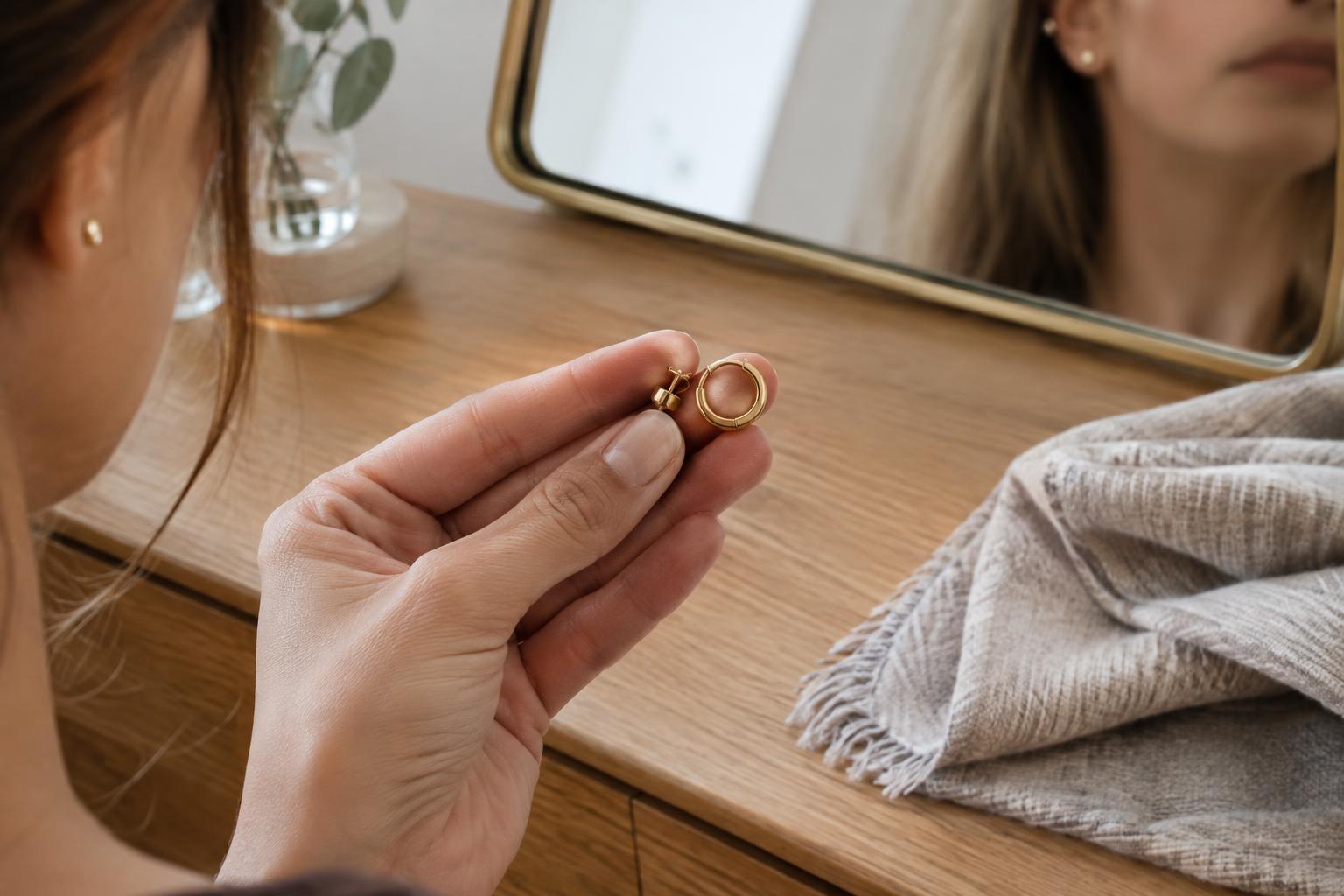
Read article · 4 min↗Comfortable earrings depend on more than their appearance. Learn how common closures feel, why weight and balance matter, and what to check when earrings meet scarves, hair, or an everyday routine.
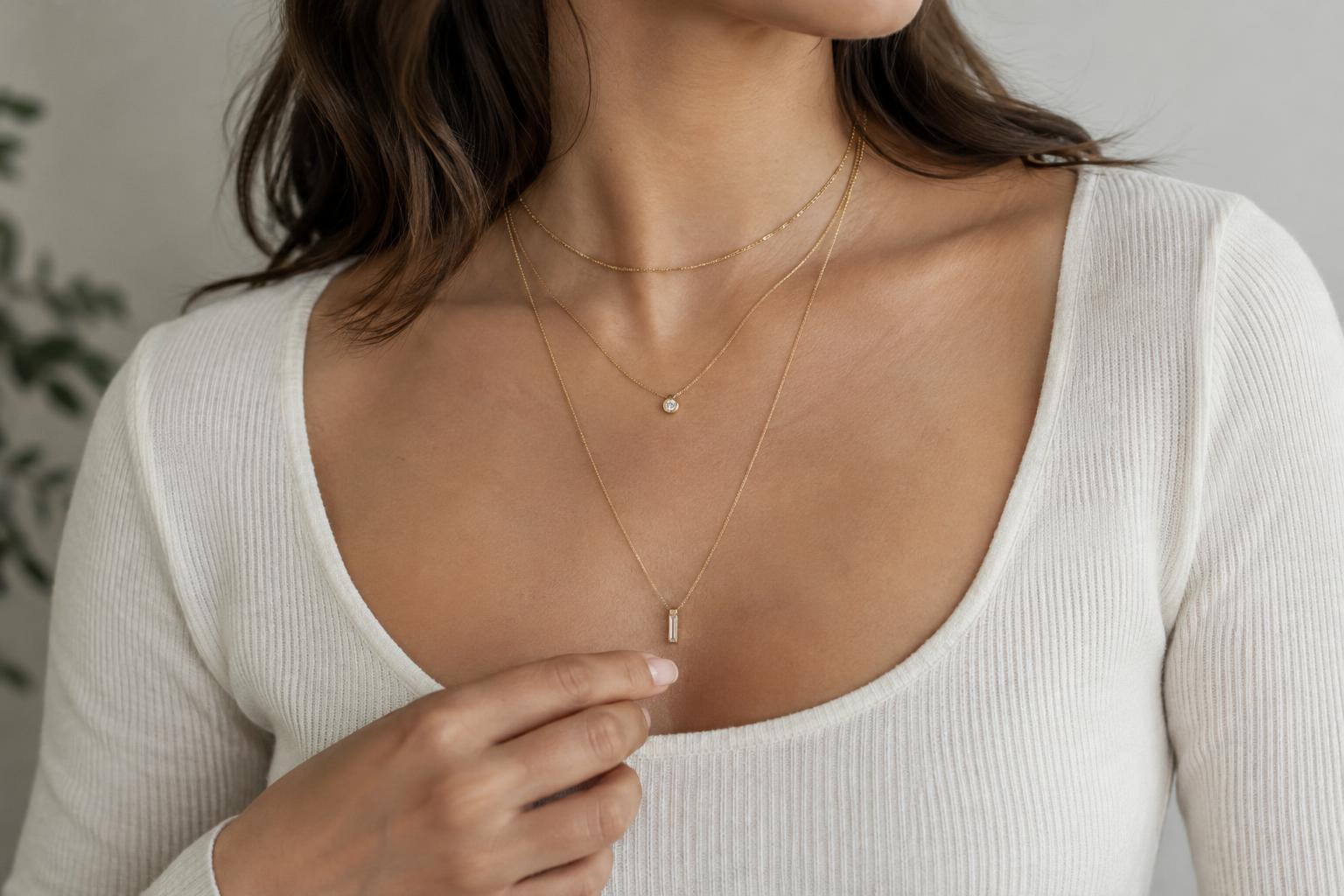
Read article · 4 min↗A practical guide to choosing necklace lengths, balancing them with your neckline, and keeping layered chains comfortable and easy to wear.
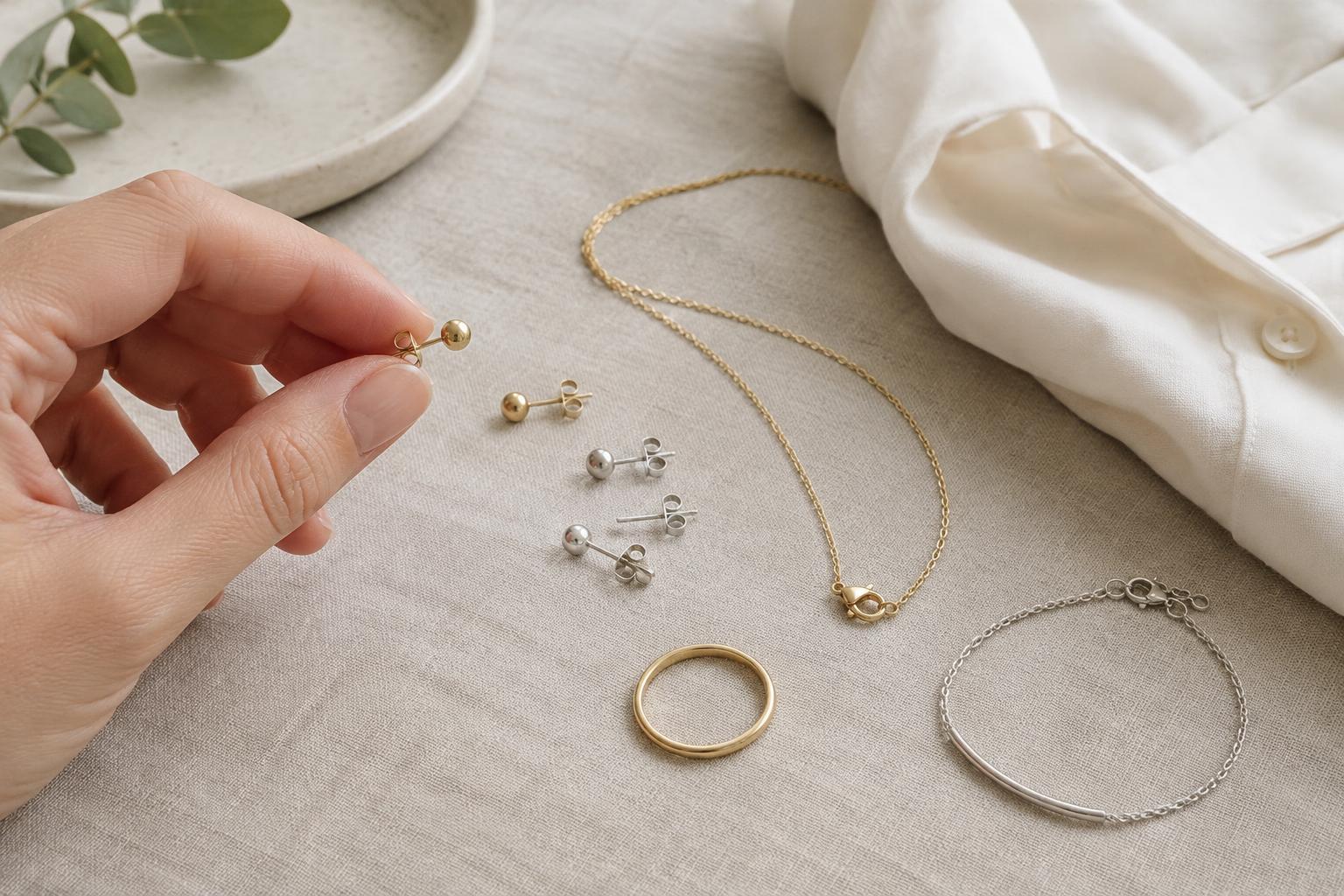
Read article · 4 min↗A practical guide to jewellery materials, coatings and small components that can affect comfort. Learn what to check before buying earrings, necklaces, rings and bracelets, and how to build a wearable everyday collection.
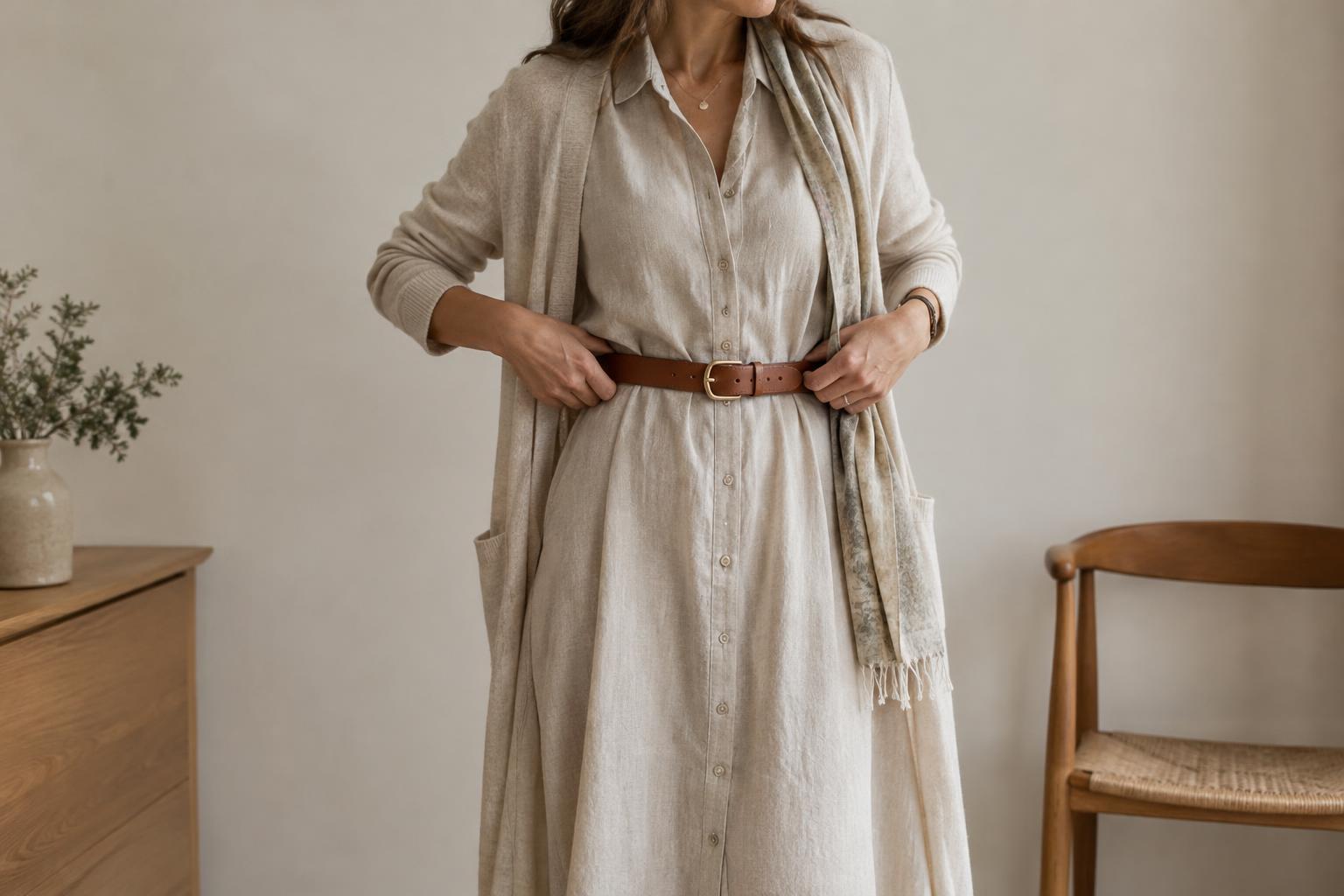
Read article · 4 min↗A belt can change the shape of a dress, cardigan or long shirt without changing the garment itself. Learn how to choose a placement and width that work with the fabric, your outfit and the way you like to dress.
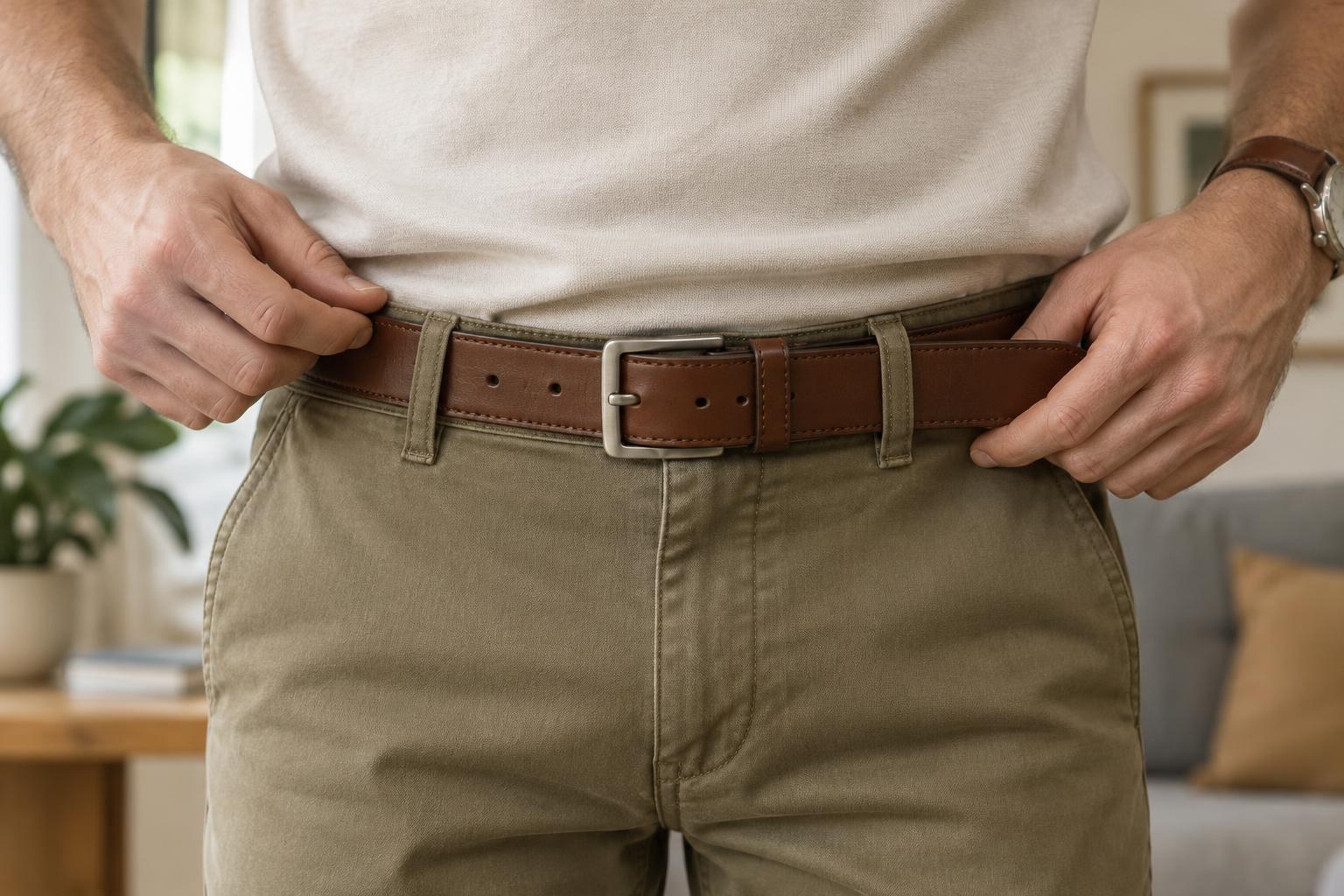
Read article · 4 min↗A useful belt should sit comfortably where you wear your trousers and slide easily through their loops. Learn how to check belt length, width and buckle size before choosing one for everyday outfits.
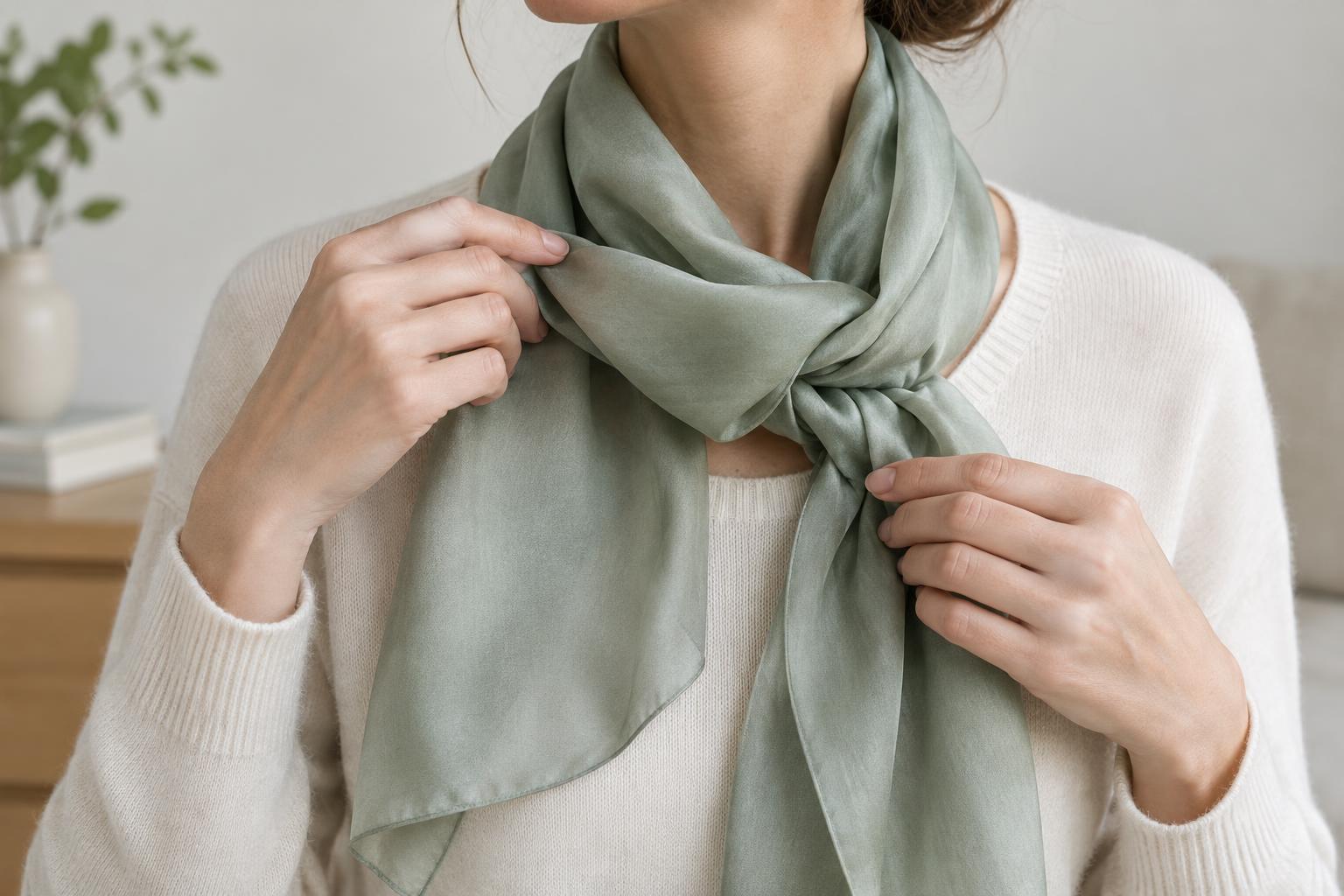
Read article · 4 min↗A scarf that slips off your shoulders or comes loose at the neck can be distracting, but securing it should not mean pulling, pinning or stretching delicate fabric. Learn how to use folds, gentle knots and careful placement to keep different scarves comfortable and in place.
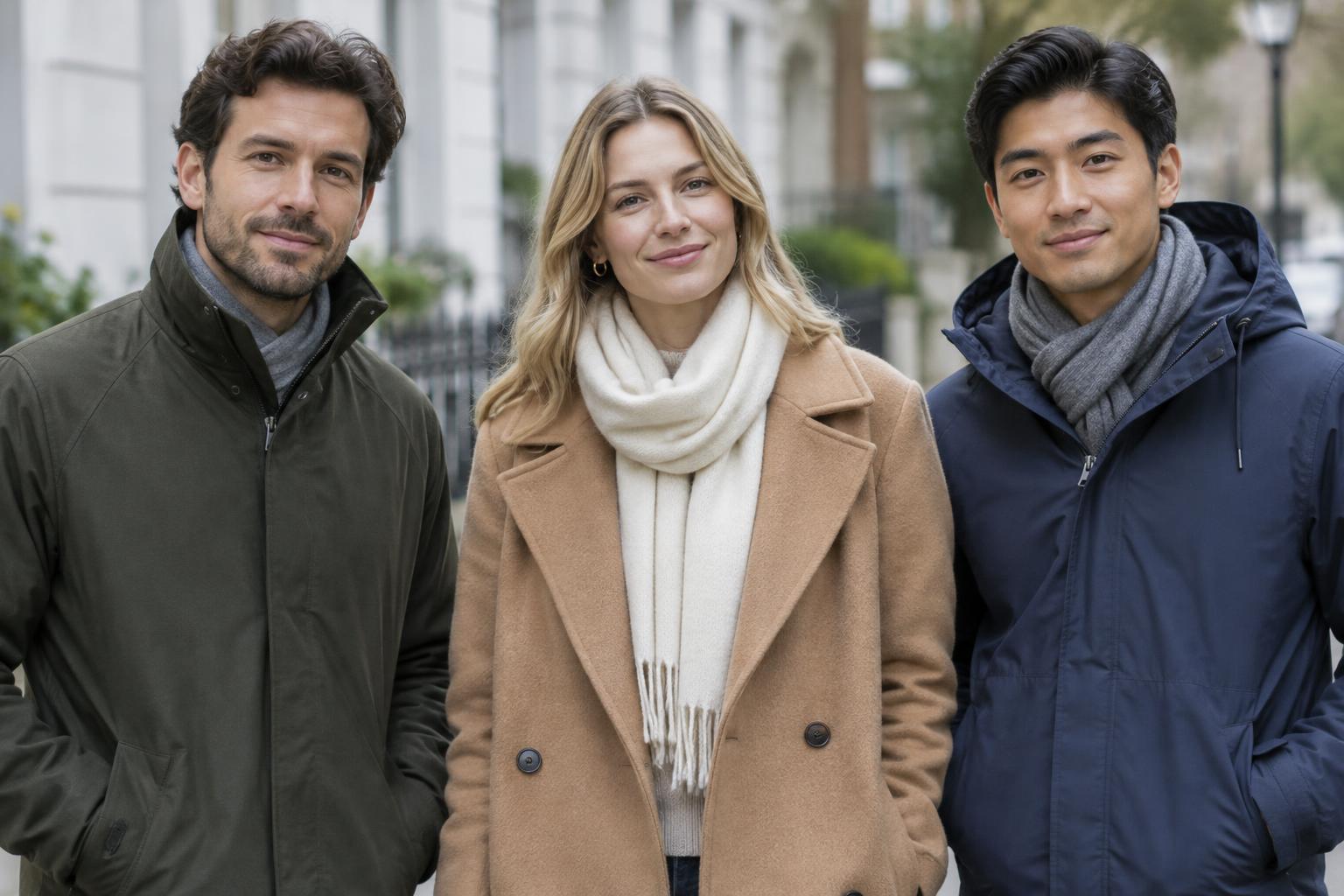
Read article · 4 min↗A scarf can sit neatly with a coat or compete with its collar. Learn how fabric weight, width and the way you wrap it can help you balance lapels, high collars, hoods and simple jacket necklines.
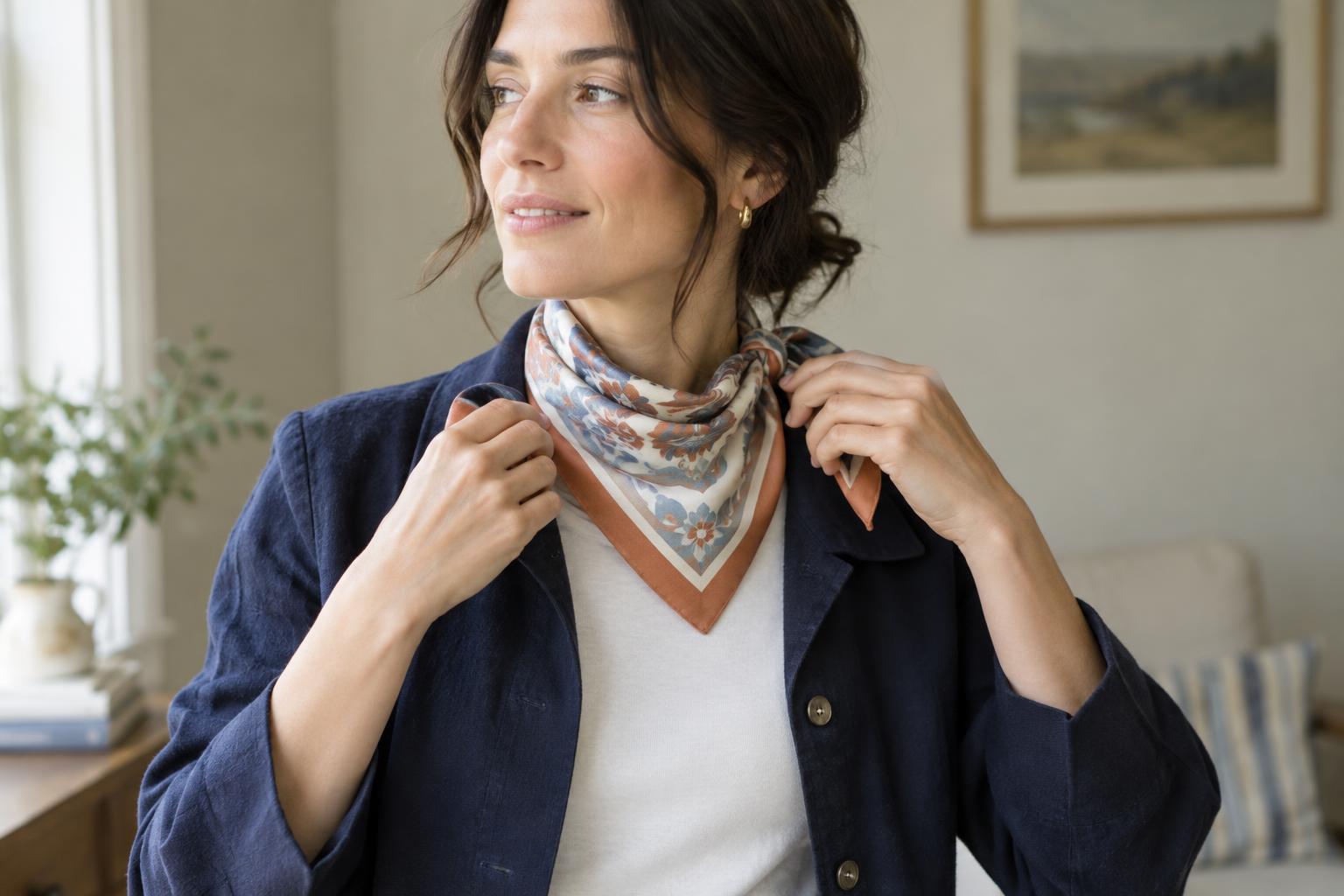
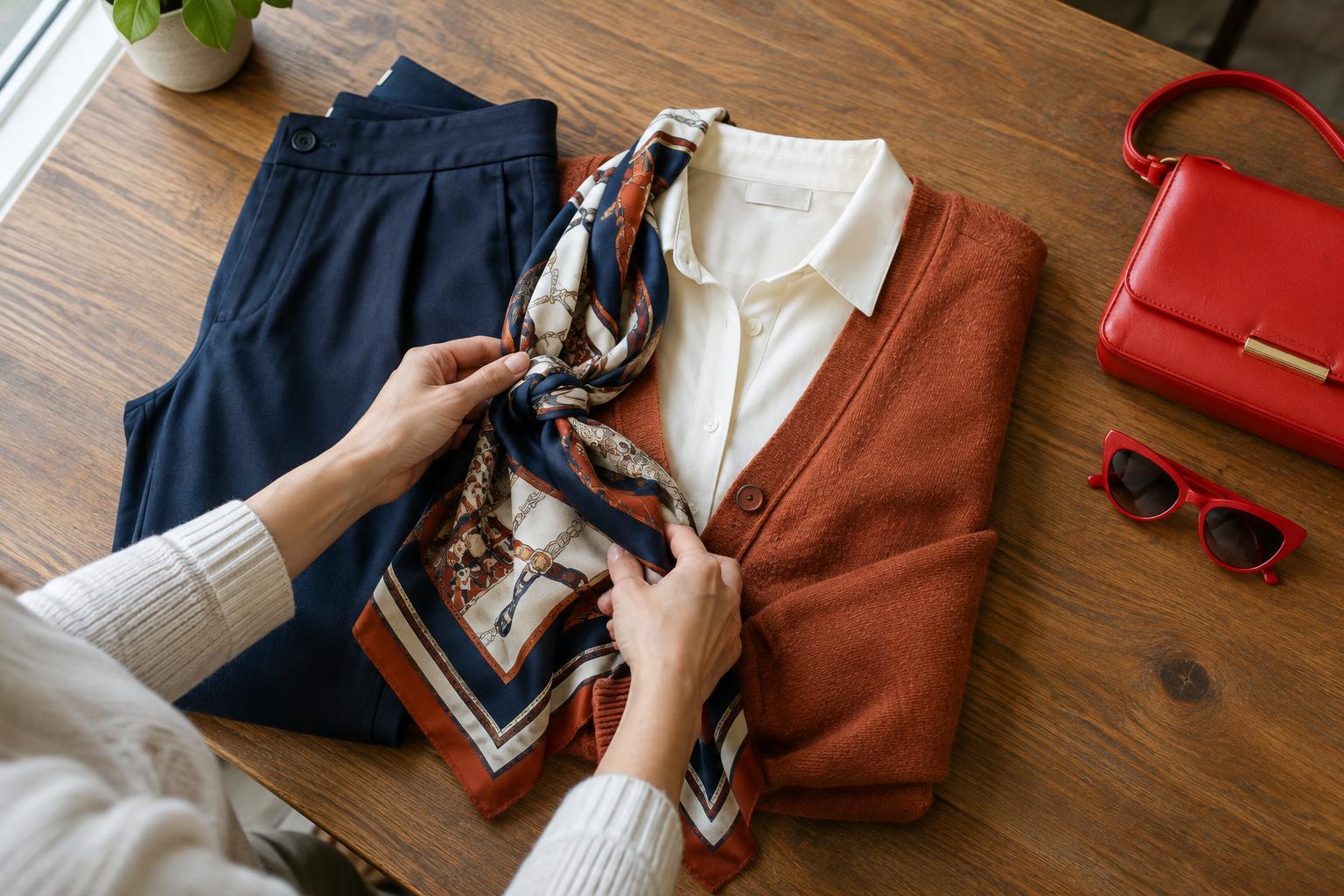
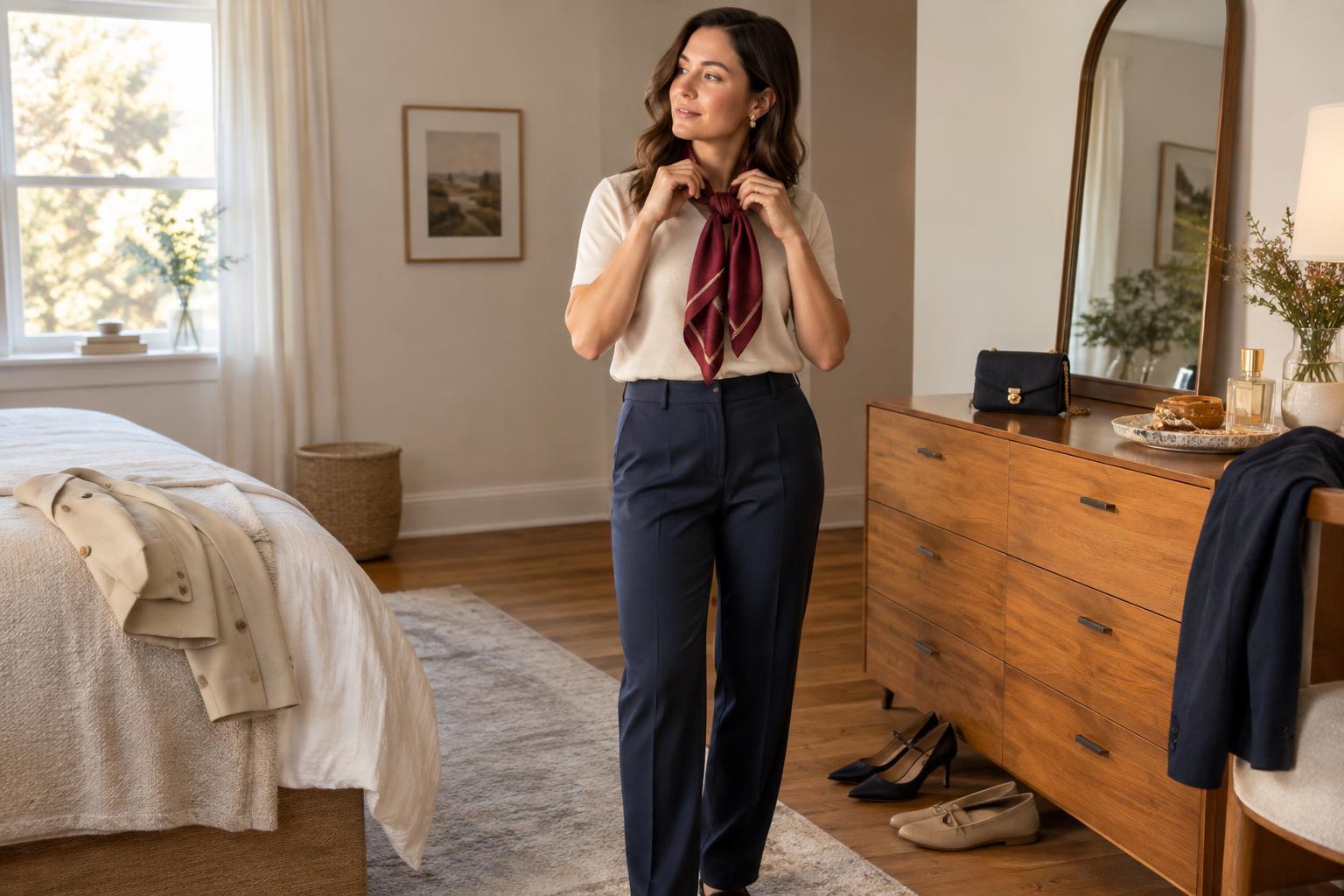
Read article · 4 min↗A square scarf can add colour, texture or a finishing detail to an everyday outfit. Learn three useful folds, simple ways to tie them at the neck, and how to adjust the look for comfort and proportion.
Read article · 4 min↗A rectangular scarf can change the feel of an outfit without changing the clothes underneath. Learn three easy ties—a loose drape, a once-around wrap and a simple loop—plus tips for adjusting each one to your scarf and neckline.
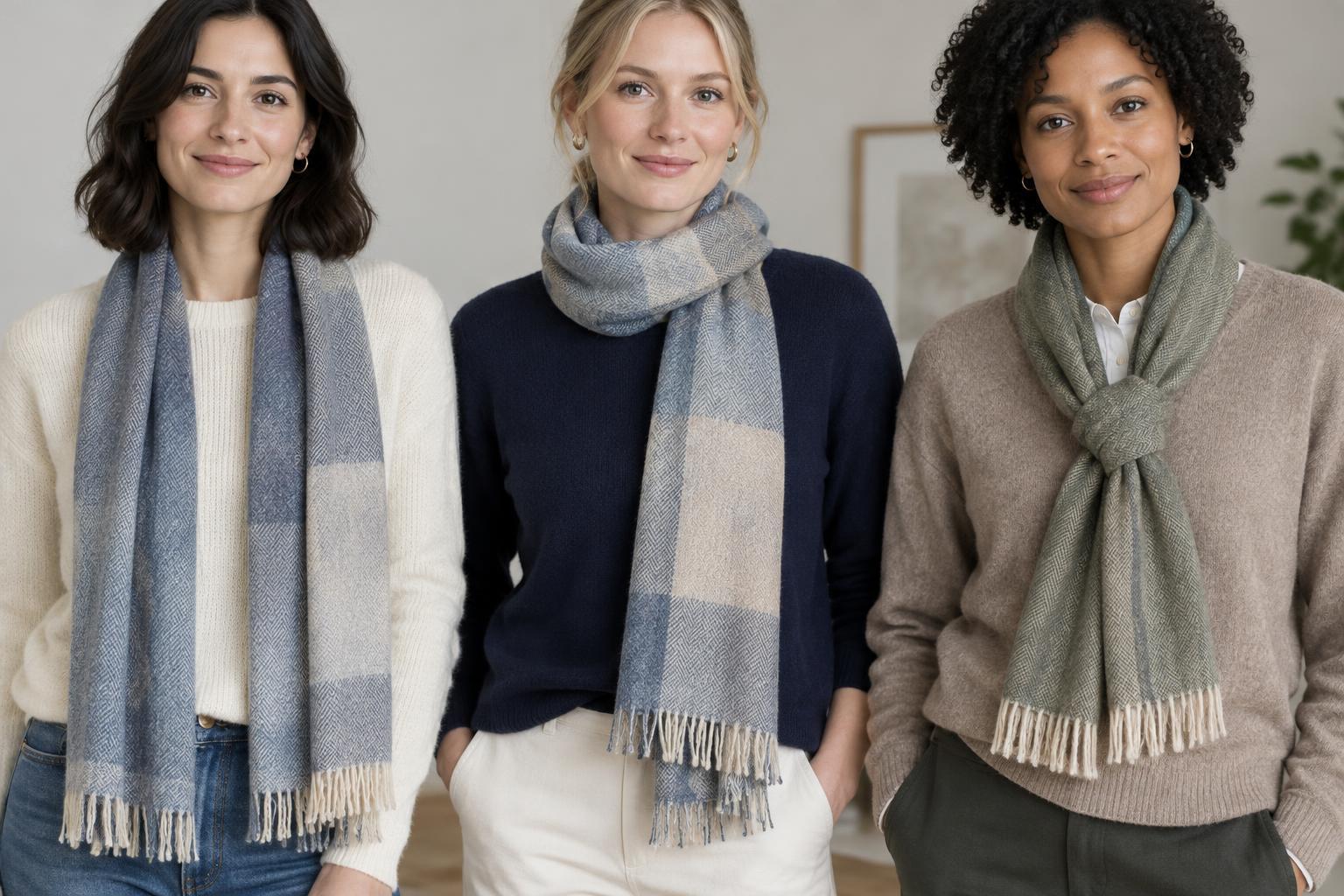
Read article · 4 min↗A scarf’s fibre matters, but so do its thickness, weave and feel against your skin. Learn how wool, cotton, linen, silk and synthetic fabrics compare, and how to choose a scarf you will enjoy wearing.
Read article · 4 min↗A scarf can add warmth, colour or a finishing touch, but its shape determines how easily it fits into your routine. Compare square, rectangular and infinity scarves by the ways they tie, the space they take up and the outfits you wear most often.
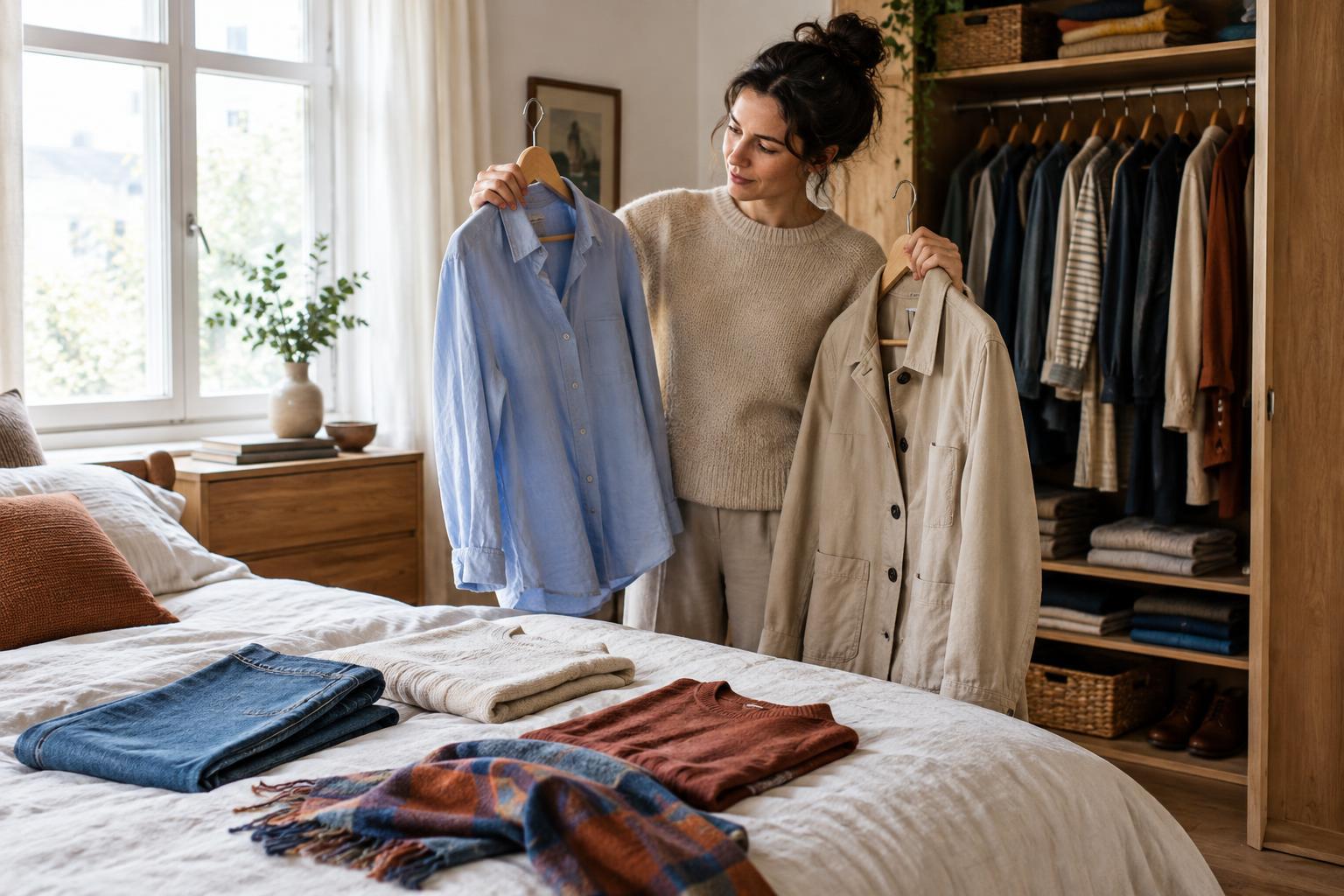
Read article · 4 min↗A wardrobe can hold clothes that still fit and look fine but no longer feel like you. Learn how to spot the difference between an outdated preference, a temporary styling rut, and a piece worth keeping.
Read article · 4 min↗A wedding, dinner or work event can make a new outfit feel urgent. Learn how to meet the dress code while choosing clothes you will want to wear again, with practical checks for fit, versatility and what you already own.
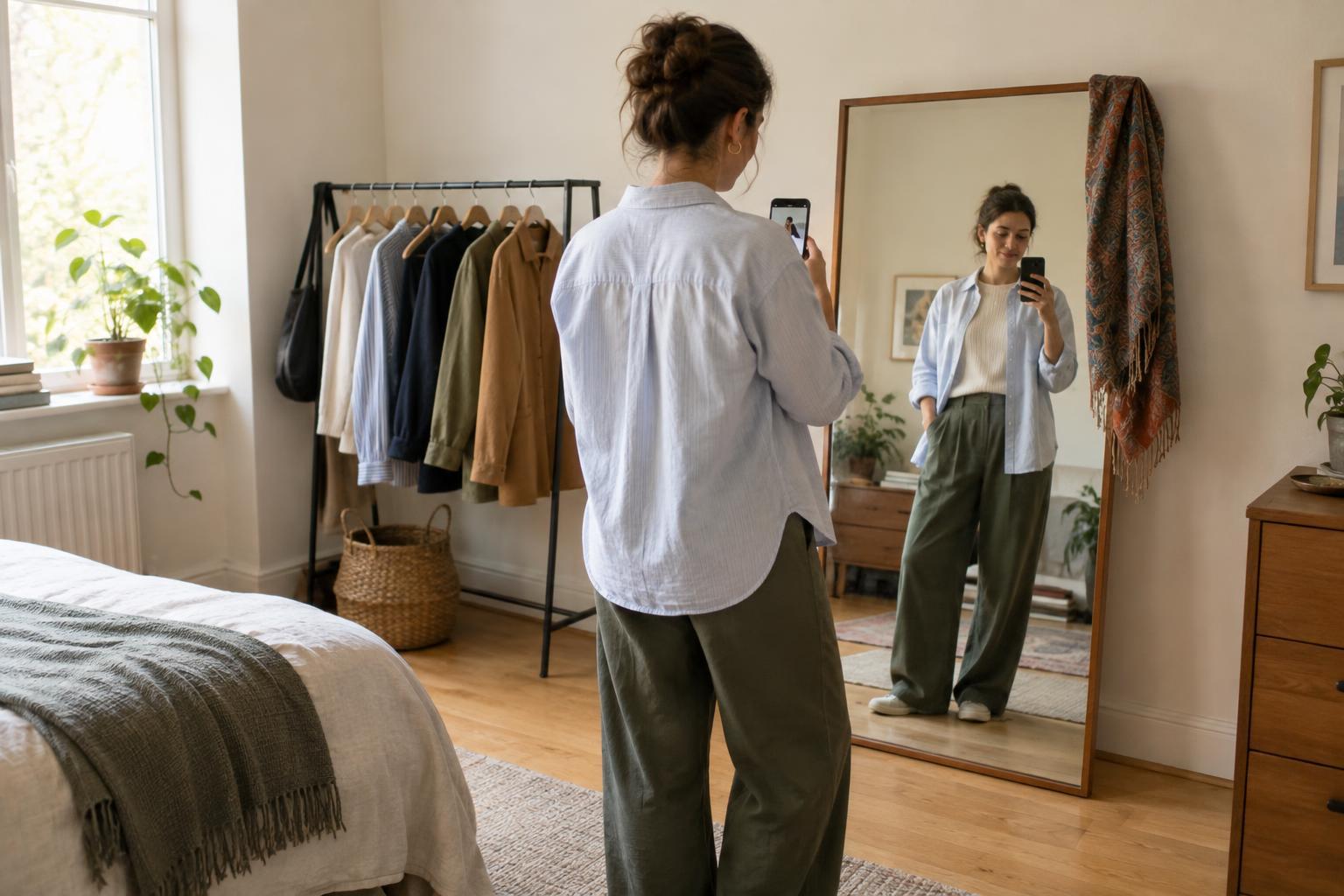
Read article · 3 min↗Outfit photos can help you notice which combinations feel comfortable, useful and distinctly yours. Here is a low-pressure way to take pictures, spot patterns and turn what you learn into easier everyday outfits.
Read article · 4 min↗An outfit can look effortless on someone else and still feel awkward on you. Learn which details tend to get lost when copying a look, and how to turn outfit inspiration into something that fits your body, routine and preferences.
Read article · 4 min↗A change in routine can make a familiar wardrobe feel less useful. Learn how to identify what your days now require, work with clothes you already own, and make considered additions without losing your sense of personal style.
Read article · 4 min↗A flexible wardrobe can take you from errands to a casual dinner or a more polished gathering. Learn how to adjust a few dependable pieces through fit, fabric, shoes, layers and accessories while keeping your own preferences in view.
Read article · 4 min↗An outfit can be comfortable and practical yet still feel as though something is missing. Learn how to spot an unfinished outfit, make small adjustments with what you own, and recognize when a simple look is already complete.
Read article · 4 min↗When an outfit feels crowded, you may not need to start over. Learn how to identify what is competing for attention, choose a focal point, simplify colour and shape, and make small changes that still feel like you.
Read article · 4 min↗You do not need a new wardrobe to try a new look. Start with the clothes you already wear, change one detail at a time, and notice which combinations feel comfortable and useful in everyday life.
Read article · 4 min↗A signature look is a set of choices that feels like you, not a uniform you must repeat. Learn how to identify your preferences, build flexible outfit formulas, and vary colour, shape and accessories while keeping a consistent point of view.
Read article · 4 min↗Formal dressing does not have to feel like wearing someone else’s clothes. Start with the occasion’s expectations, then make thoughtful choices about fit, colour, texture and accessories so your outfit feels polished and familiar.
Read article · 4 min↗A casual dress code leaves room for personal style, but it can be hard to judge how relaxed to go. Learn how to read the setting, build a comfortable outfit, and use small details to make it feel intentional.
Read article · 4 min↗A hem does more than mark where a garment ends. Learn how the lengths of tops, jackets, skirts and trousers affect an outfit’s visual balance, and how to experiment with proportions while keeping comfort and personal preference in view.
Read article · 4 min↗Loose and fitted clothes can work together without following a rigid outfit formula. Use one piece as a starting point, then consider where garments end, how fabrics fall and whether you feel comfortable moving through your day.
Read article · 4 min↗Silhouette is the outline an outfit creates. Learn how fit, length, fabric and layering work together, then use simple outfit experiments to find proportions that feel like you.
Read article · 4 min↗A comfortable outfit is about more than soft fabric. Learn how to identify the fit, movement, temperature and personal preferences that matter most to you, then use them to make everyday outfit decisions easier.
Read article · 4 min↗A useful wardrobe supports the days you actually have. Learn how to notice what your routine asks of your clothes, build outfits around repeated activities, and leave room for personal style without buying for an imaginary version of your life.
Read article · 4 min↗Trends can offer fresh ideas without deciding what belongs in your wardrobe. Learn how to separate passing appeal from lasting usefulness, try new looks in small ways, and make choices that still feel like you.
Read article · 4 min↗A beautiful outfit can be inspiring without being practical for your routine. Learn how to identify what you like about a look, adapt it to your schedule and comfort needs, and test new ideas with clothes you already own.
Read article · 4 min↗Your most-worn outfits can tell you more about your personal style than a shopping wish list. Learn how to spot the shapes, colours and details you genuinely enjoy, then use those patterns to build outfits that feel like you.
Read article · 4 min↗When an outfit feels off, you may not need different clothes. A small change in contrast, colour balance or placement can make the pieces work together. Here are practical ways to spot common colour-combination mistakes and adjust them to suit your style.
Read article · 4 min↗A wardrobe colour inventory helps you see which colours you own, how often you wear them and whether they work together. Use this simple method to find useful gaps without assuming every gap requires a purchase.
Read article · 4 min↗Shoes and bags do not need to be the same colour to look good together. Learn how to connect them through colour, contrast, texture and the overall mood of an outfit.
Read article · 4 min↗A practical approach to dressing for days that start cool, warm up, and turn chilly again. Learn how to build flexible layers, coordinate colours, and make small adjustments without carrying a second outfit.
Read article · 4 min↗A day-to-evening outfit does not need a complete change. Start with comfortable pieces that suit both plans, then adjust colour, layers, accessories and shoes to match the setting.
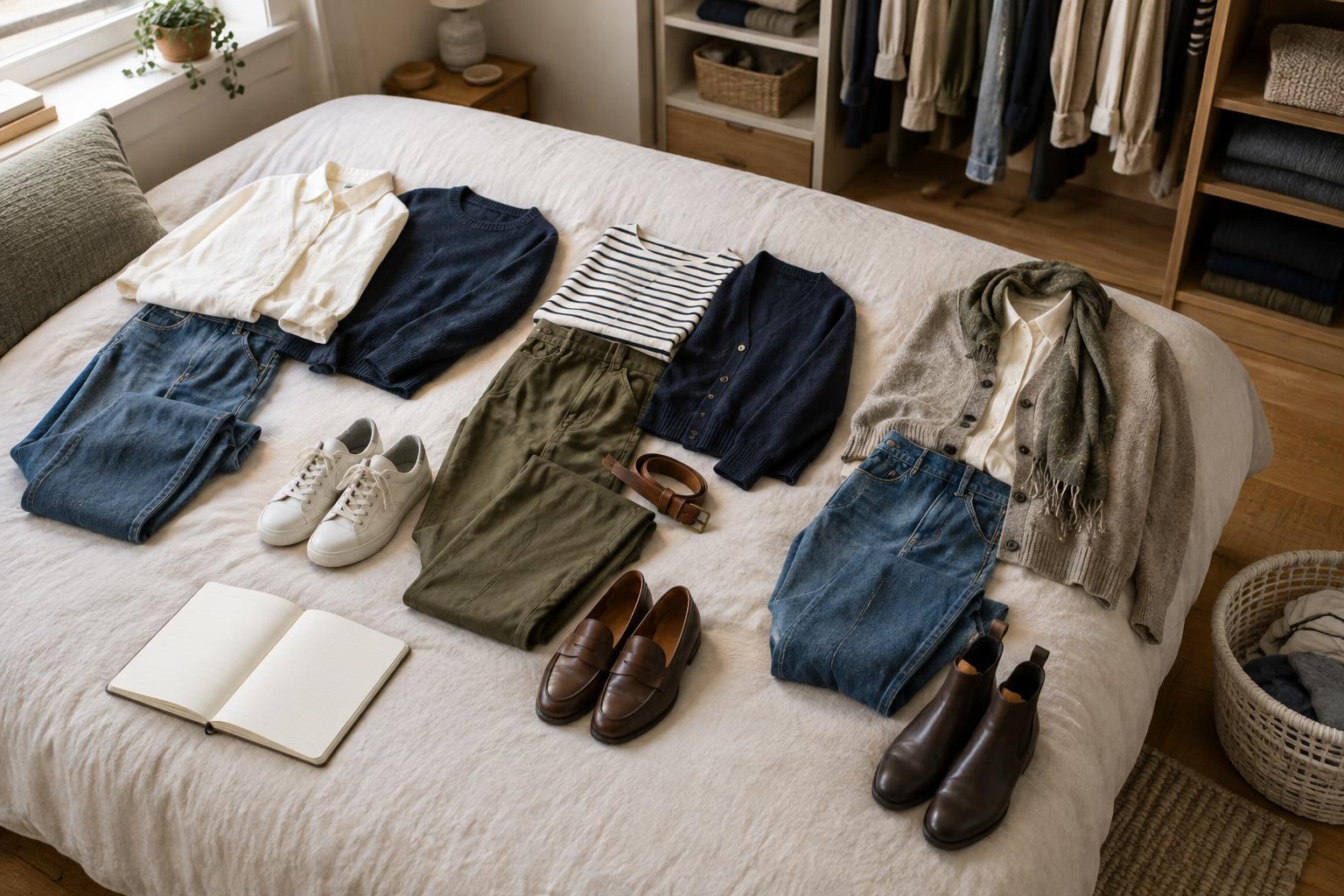
Read article · 4 min↗A practical way to plan seven days of outfits without buying anything new. Start with your schedule, build around reliable pieces, use colour to make combinations easier, and leave room for changes.
Read article · 4 min↗An outfit formula is a repeatable way to combine clothes you already own. Learn how to build a few flexible formulas around your routine, preferred colours and favourite pieces so getting dressed takes less effort without making every outfit look the same.
Read article · 3 min↗A bold scarf, bright coat or patterned skirt can make getting dressed easier when it becomes the starting point. Learn how to choose supporting colours, balance proportions and make a statement piece work for everyday plans.
Read article · 4 min↗The three-colour rule can make outfits easier to plan, but it works best as a guide rather than a limit. Learn how to choose a base, add contrast and make room for prints, accessories and personal preference.
Read article · 4 min↗Wearing two prints together can feel easier when you focus on just a few details: their scale, a shared colour and where they sit in the outfit. Use these simple checks to build combinations that feel balanced and still look like you.
Read article · 4 min↗Pairing a print with solid colours is easier when you let the print guide your palette. Learn how to choose supporting colours, balance contrast and make patterned pieces feel at home in everyday outfits.
Read article · 4 min↗Tonal dressing brings several shades of one colour into an outfit. Learn how to vary lightness, texture and proportion so the result feels intentional without requiring every piece to match.
Read article · 4 min↗Dressing in one colour family can make an outfit feel considered, but matching every piece exactly is not the goal. Learn how to use shade, texture, shape and small details to give a monochrome look depth while keeping it easy to wear.
Read article · 4 min↗A single accent colour can make a familiar outfit feel more intentional without making it complicated. Learn how to choose a colour you enjoy, decide where to place it and repeat it only when it helps the outfit feel balanced.
Read article · 3 min↗A useful neutral wardrobe does not have to be all black, beige or white. Learn how to compare warmth, depth and contrast, then choose a small group of colours that makes everyday outfits easier to put together.
Read article · 4 min↗Bright colours can add energy to an outfit, while muted colours can make it feel calmer. Learn how to combine both by choosing a focal point, repeating colours thoughtfully, and adjusting the balance to suit your preferences.
Read article · 3 min↗The difference between the lightest and darkest pieces in an outfit can change how bold, calm or balanced it feels. Learn how to notice that contrast, adjust it with clothing and accessories, and choose combinations that suit your preferences.
Read article · 4 min↗Warm and cool colours can work together in an everyday wardrobe. Learn how to notice colour temperature, build a simple palette, use neutrals to connect contrasting pieces, and decide what feels right near your face.
Read article · 4 min↗The colour wheel can make outfit planning easier without turning dressing into a set of strict rules. Learn how to build combinations with neighbouring colours, opposites, neutrals and different shades of the same hue.
Read article · 4 min↗A useful wardrobe palette starts with the clothes you reach for, not a list of colours you think you should like. Learn how to choose dependable base colours, add accents, test combinations and use your palette without making it a rulebook.
Read article · 4 min↗A higher price does not guarantee a better garment. Learn how to assess fabric, construction, fit and care needs so you can choose clothes that work well in your everyday wardrobe.
Read article · 4 min↗A garment does not have to fit perfectly off the rack to be a good purchase. Learn which common alterations are worth considering, which fit problems are harder to solve, and how to judge the total cost before buying.
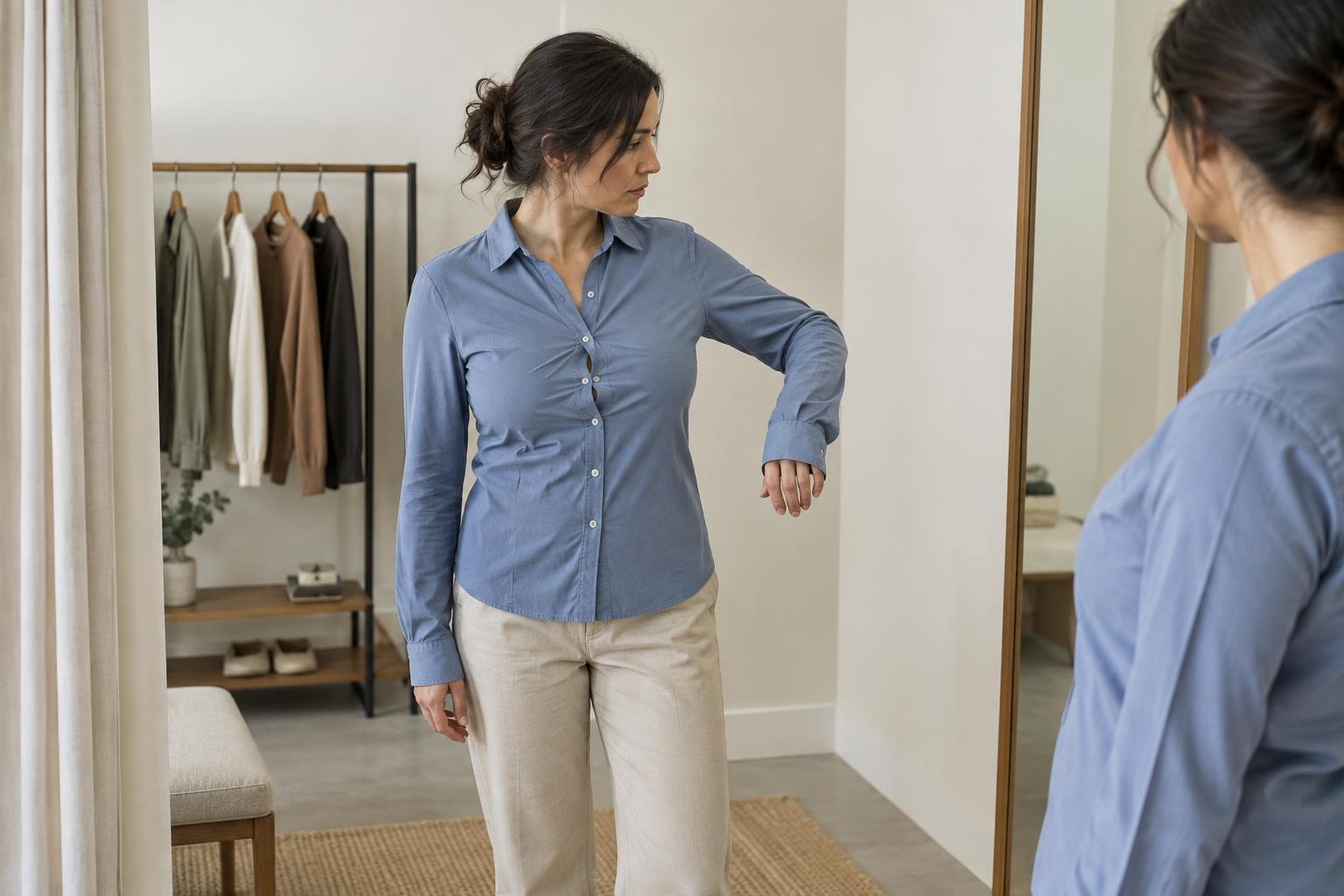
Read article · 4 min↗A garment can look promising on the hanger yet feel wrong once you move. Learn how to check for pulling, slipping, awkward proportions and other fit issues before you decide what belongs in your wardrobe.
Read article · 4 min↗Stretch can make clothes easier to move in, but it cannot fix every fit problem. Learn how fabric stretch and recovery affect comfort, shape and sizing, and what to check before adding a stretchy piece to your wardrobe.
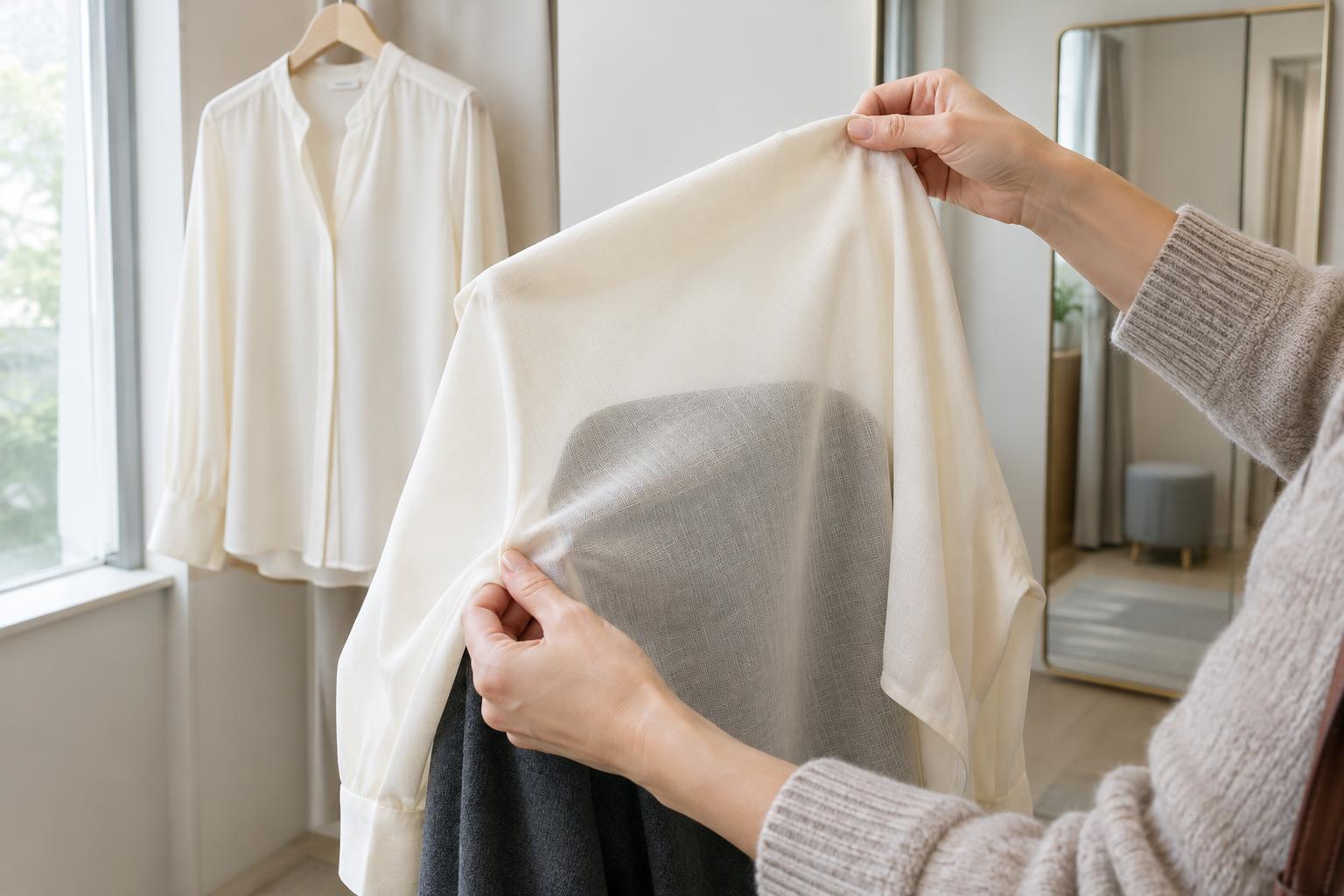
Read article · 4 min↗A garment can look opaque on a hanger and become see-through when worn. Learn simple ways to check fabric against light, over contrasting colours and under gentle tension before you buy.
Read article · 4 min↗A good base layer adds warmth without making an outfit feel crowded. Learn how to choose fabric, fit and coverage for your day, then wear and care for thin layers so they work with the clothes you already own.
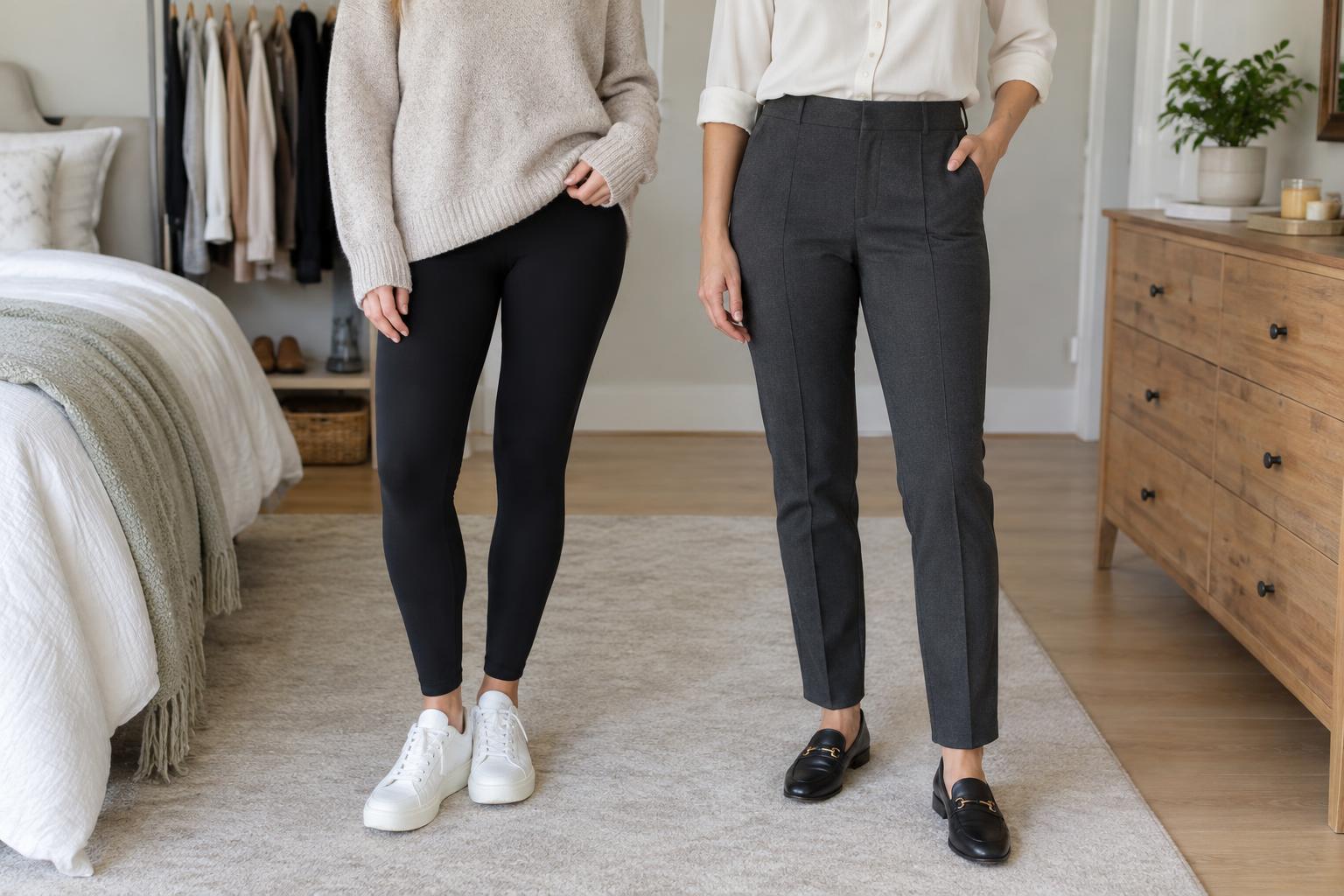
Read article · 4 min↗Leggings and ponte pants can look similar on a hanger, but they often serve different purposes. Learn how fabric, fit, opacity and styling details affect where each works best—and what to check before buying.
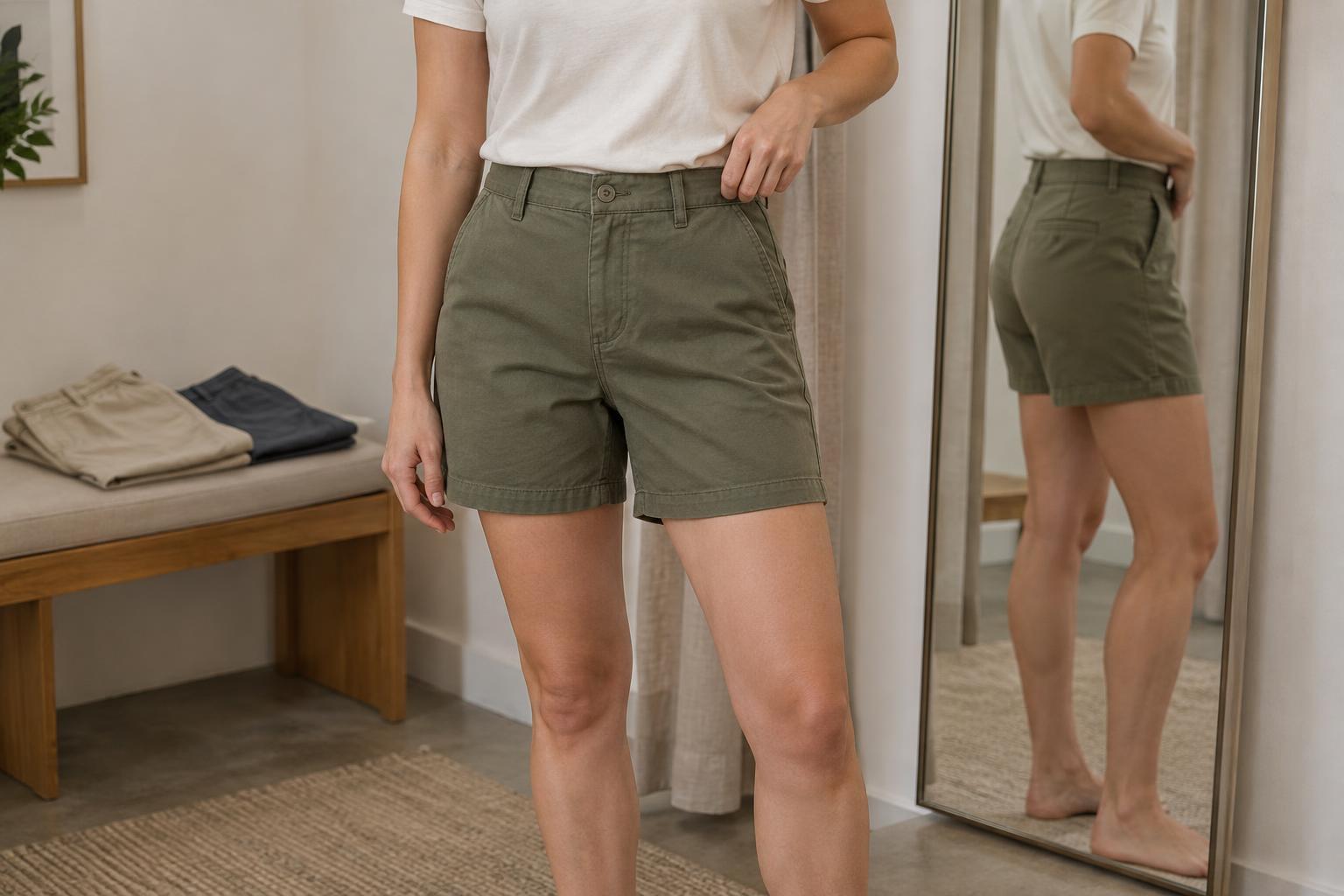
Read article · 4 min↗Comfortable shorts should stay in place at the waist without pulling across the seat or gripping the thighs. Learn what to check in the fitting room, how fabric and rise affect the fit, and when a simple alteration may help.
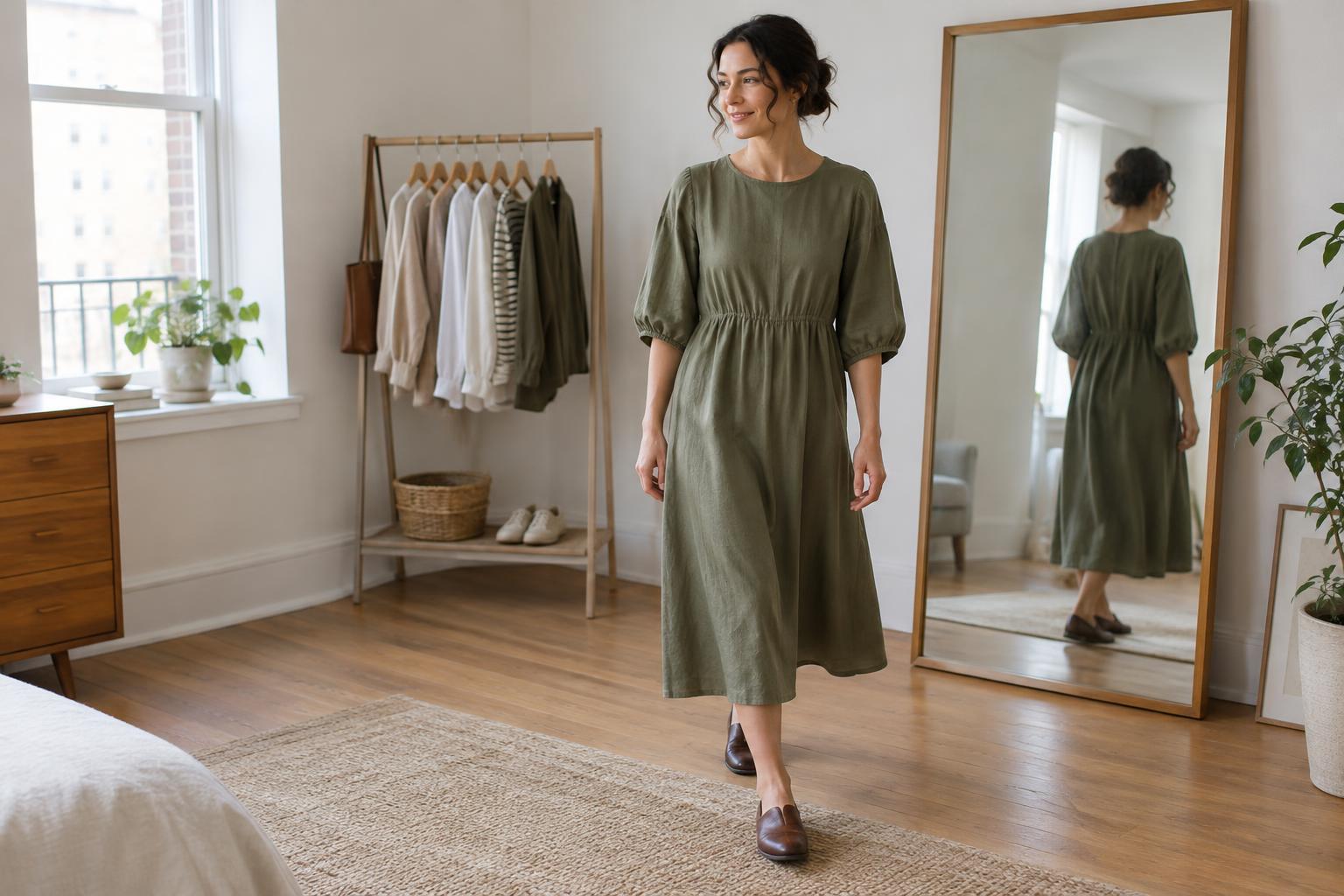
Read article · 4 min↗An everyday dress should suit the way you move, the shoes you wear and the occasions you actually dress for. Use this practical guide to compare cuts, choose a useful length and check comfort before adding a dress to your wardrobe.
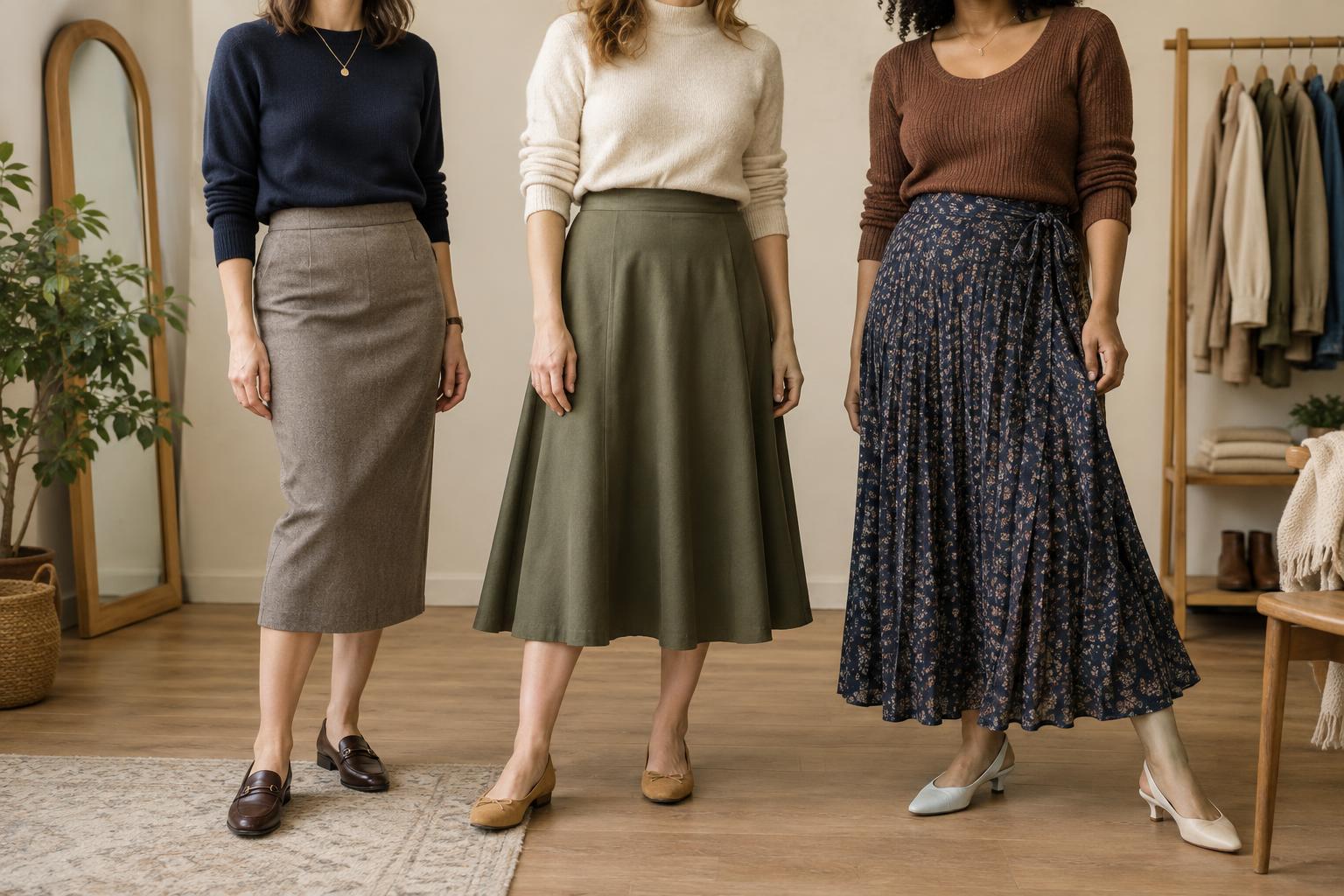
Read article · 4 min↗From A-line and straight skirts to wrap and pleated styles, learn how common skirt shapes sit, move and pair with the rest of your wardrobe. Use simple fitting checks to find a skirt that feels comfortable in everyday wear.
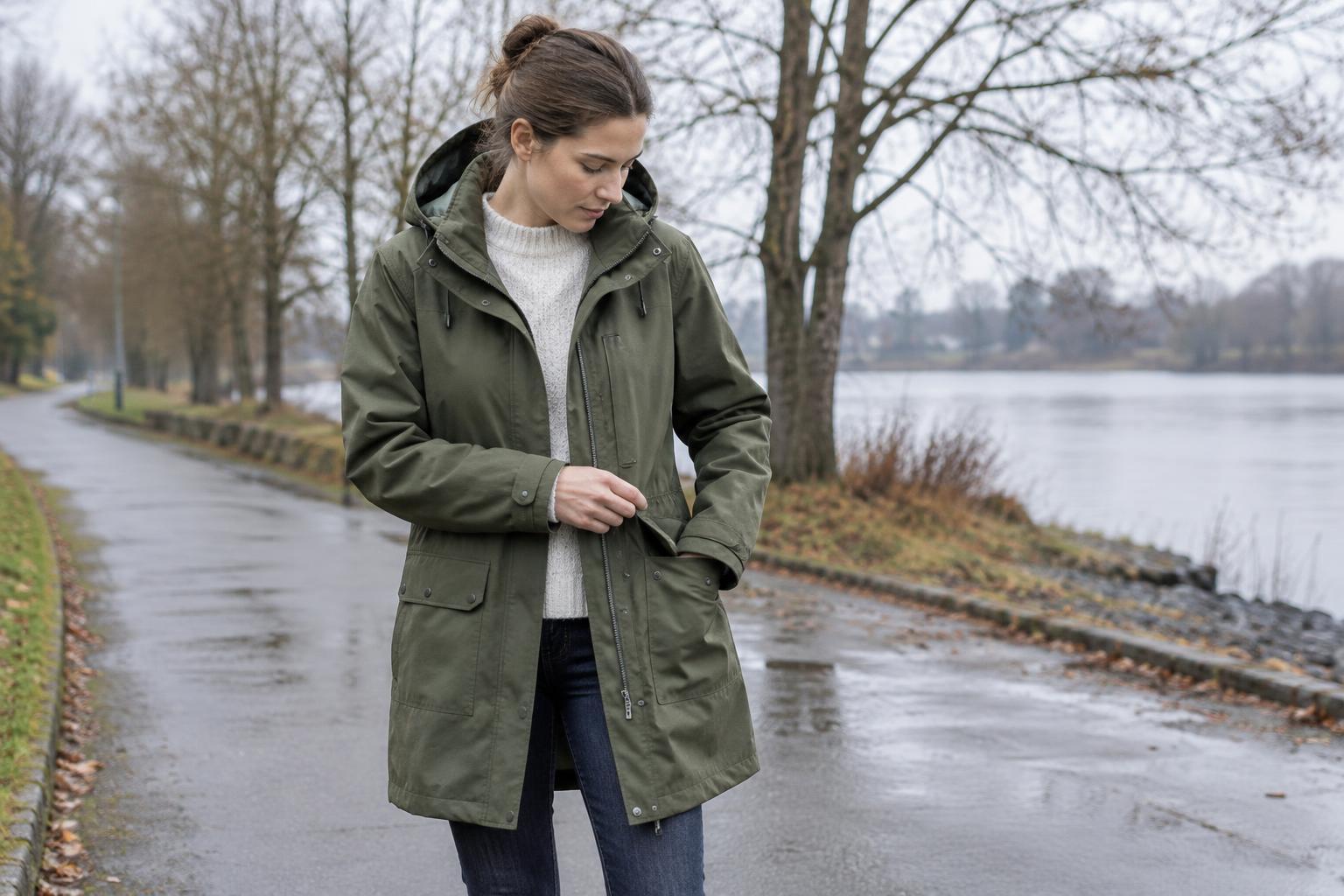
Read article · 4 min↗The best everyday coat is the one that handles the weather you actually face and works with the clothes you already wear. Use this guide to compare warmth, rain protection, fit and practical details before you choose.
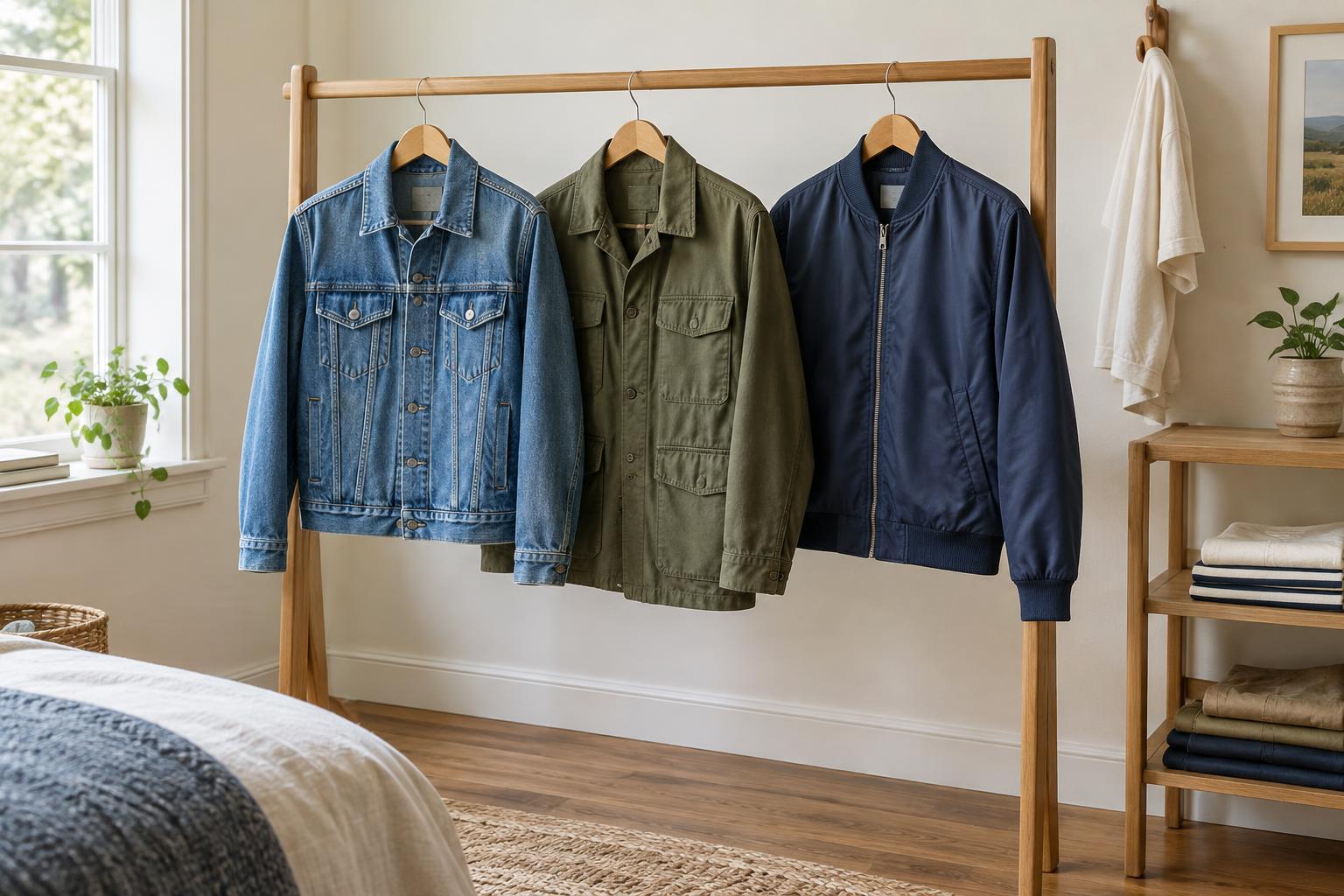
Read article · 4 min↗A casual jacket can make an everyday outfit feel complete, but the best choice depends on how you dress and what you need it to do. Compare denim, utility and bomber jackets by shape, fabric, layering room and ease of care.
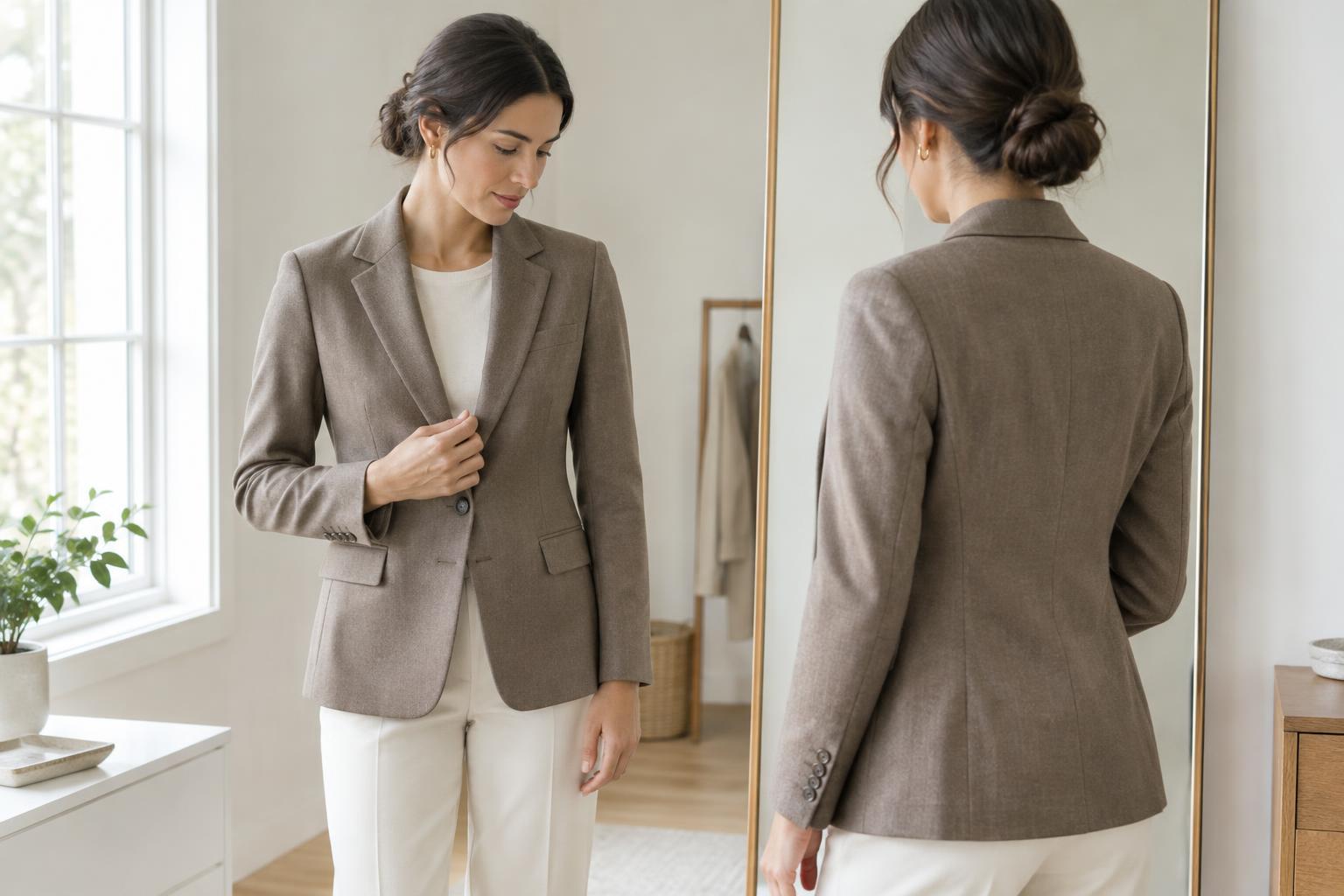
Read article · 4 min↗A useful blazer should feel comfortable as well as look balanced. Learn how to assess the shoulders, chest, sleeves and length, then decide which fit issues are worth altering.
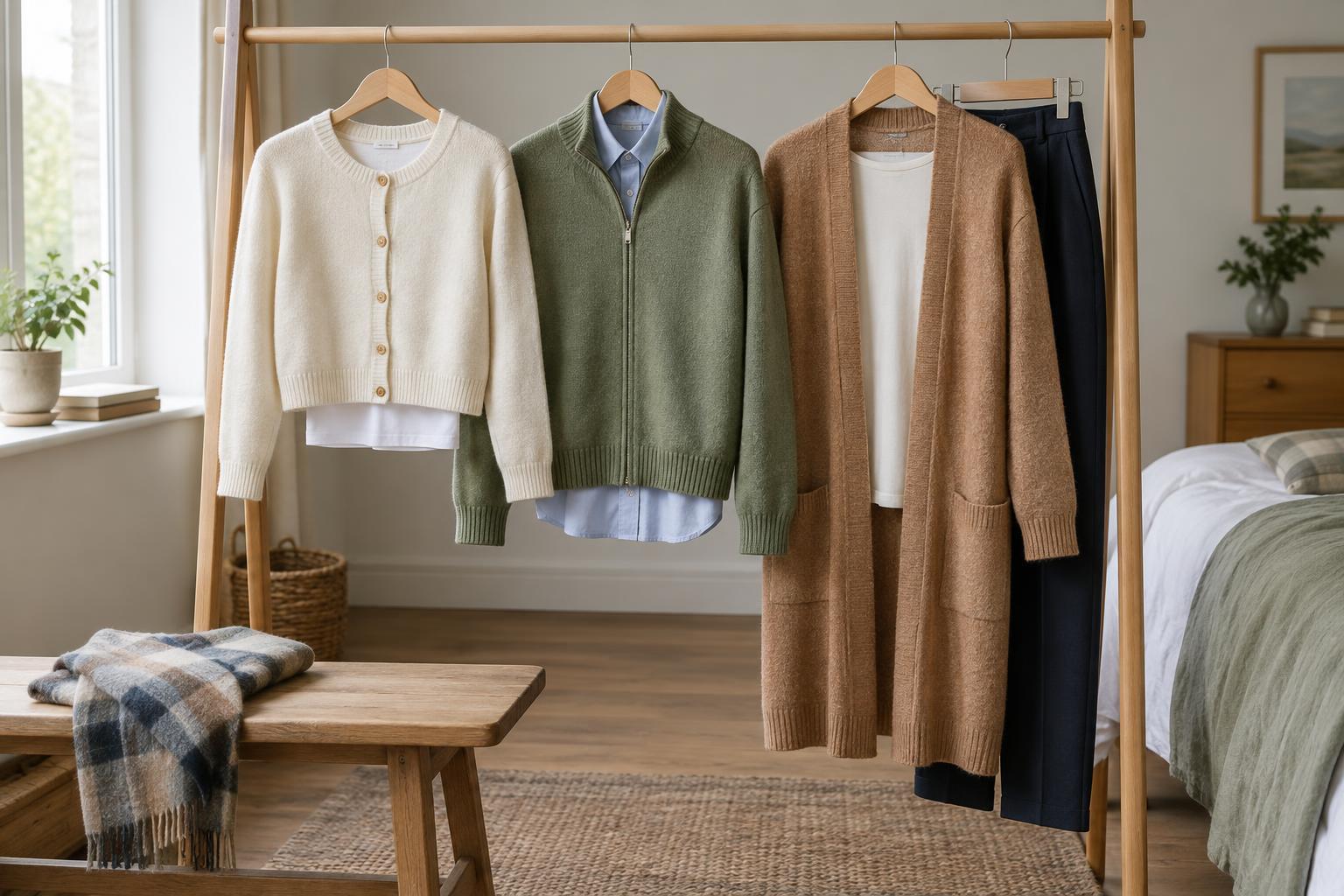
Read article · 4 min↗A cardigan can be a light extra layer, a neat alternative to a jacket or a relaxed finishing piece. Learn how length, closure and fit affect the way it works with the clothes you already own.
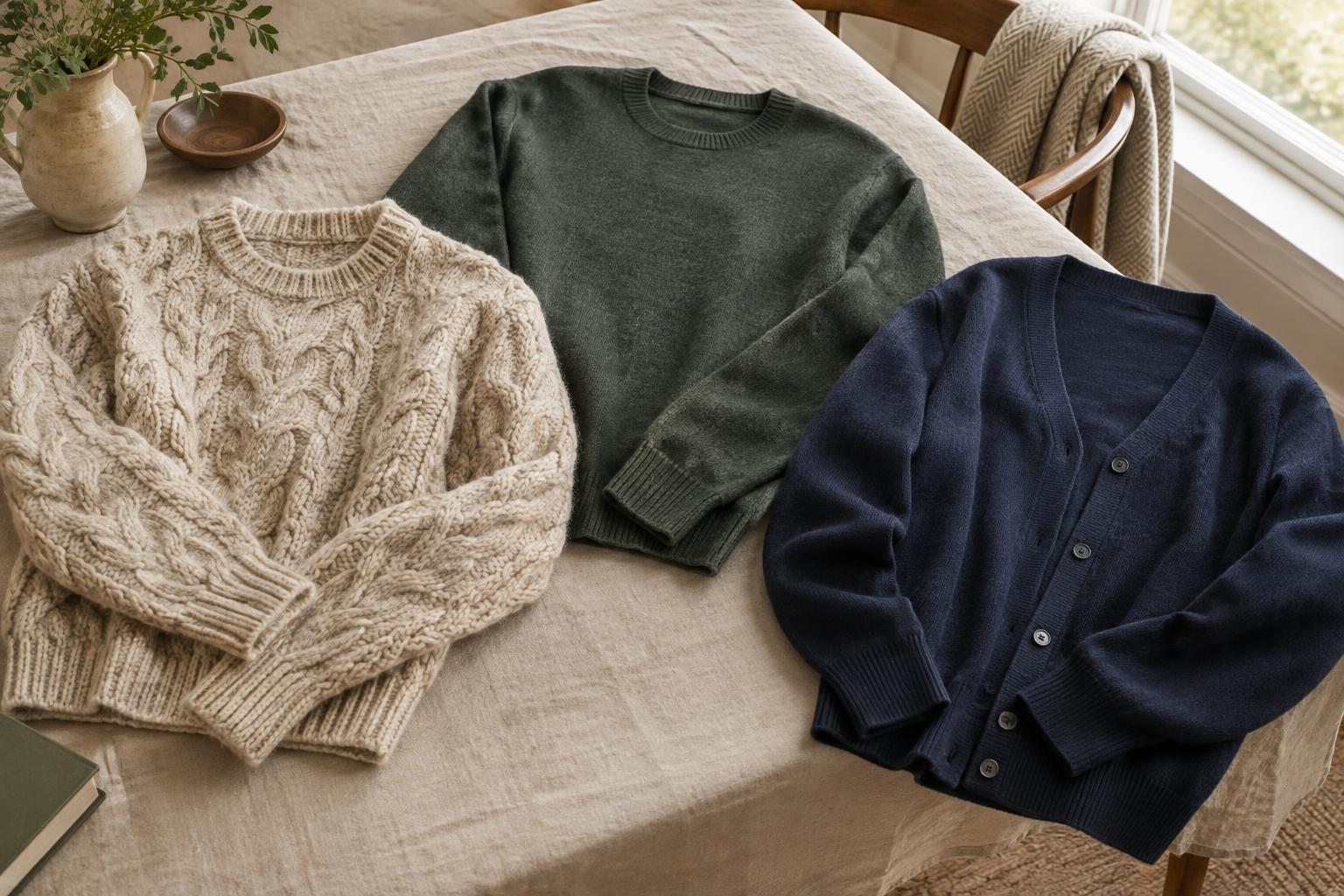
Read article · 4 min↗A useful sweater should suit both your wardrobe and the way you spend your day. Learn how knit weight, fibre, fit and shape affect comfort, warmth and outfit options, then use a few simple checks before you choose.
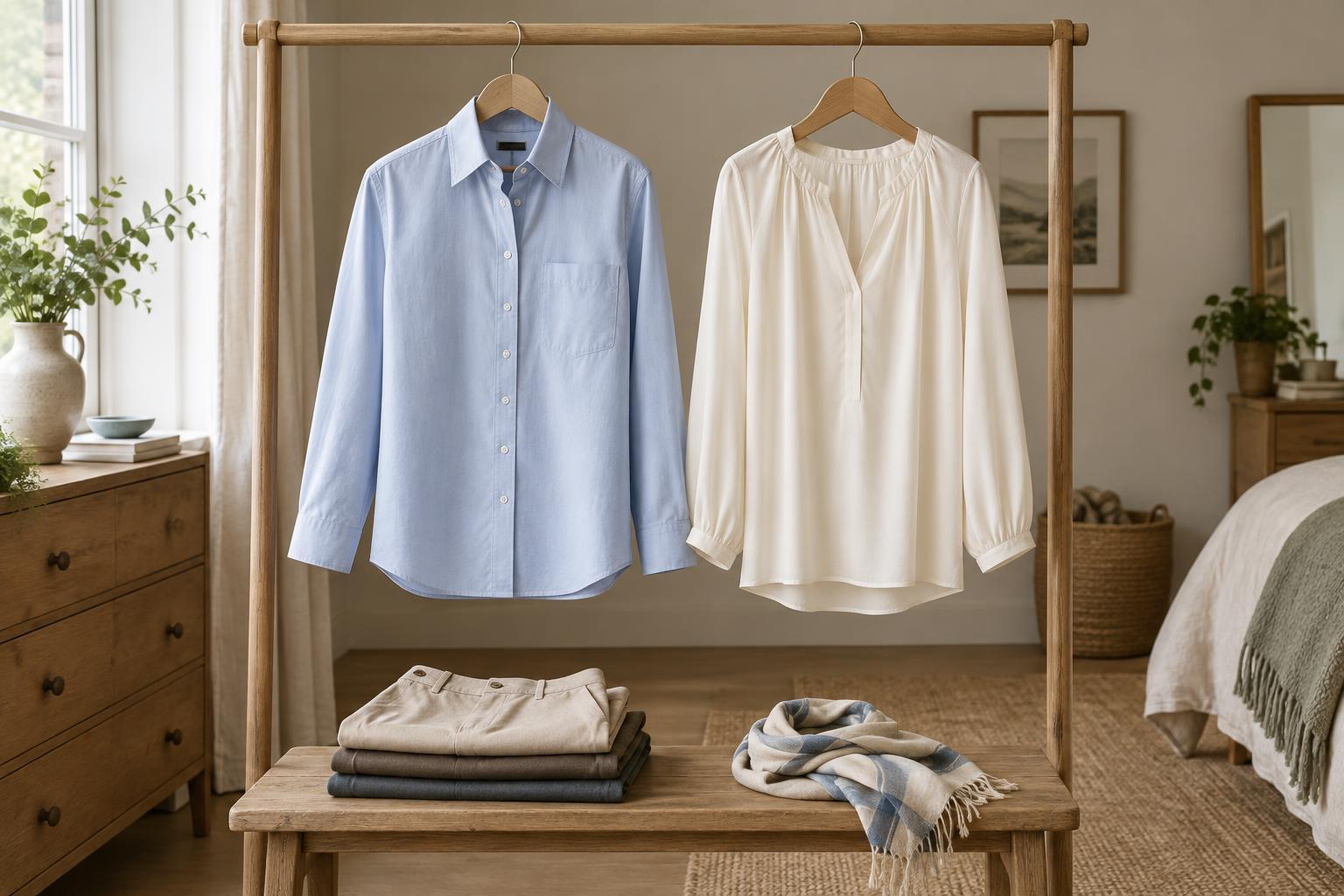
Read article · 4 min↗A blouse and a shirt can serve similar purposes, but their shape, fabric and details can make them feel different to wear. Learn how to compare fit, styling options and care needs so you can choose a woven top that suits your everyday wardrobe.
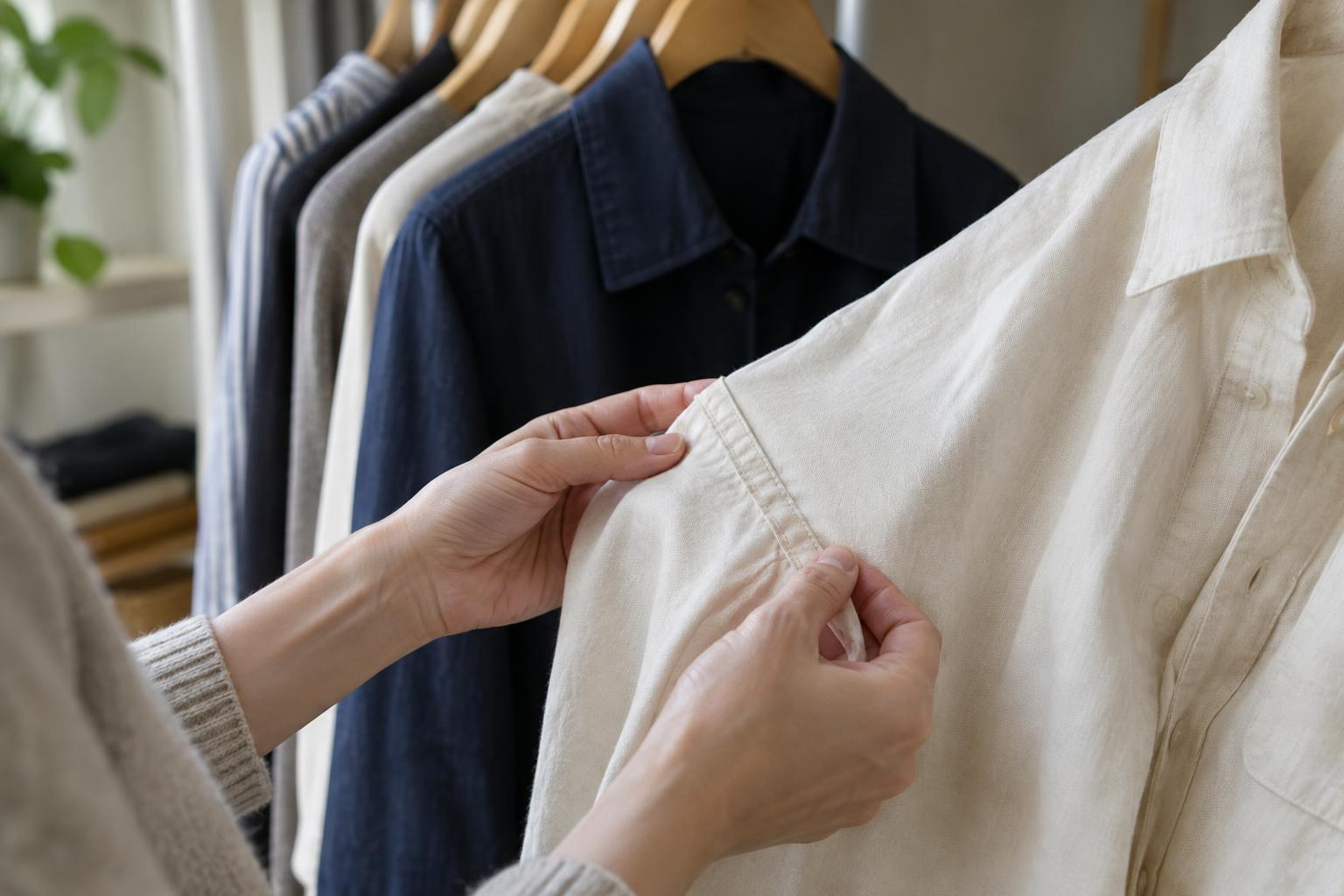
Read article · 4 min↗A button-down shirt can look neat on a hanger and still feel wrong once you move. Use these simple checks to assess the shoulders, chest and sleeves, then decide whether a different size, cut or small alteration will help.
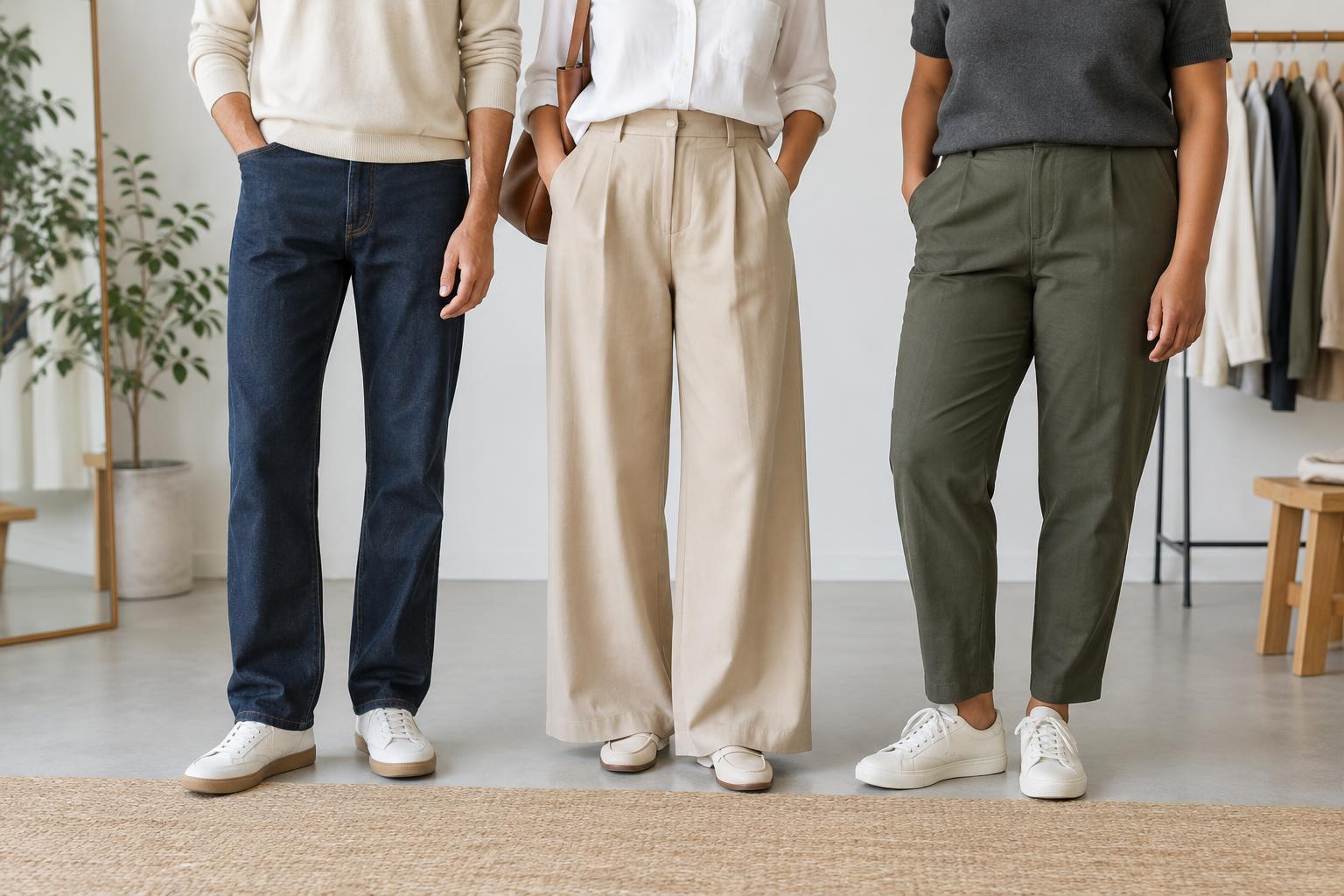
Read article · 4 min↗Straight, wide and tapered trousers can all earn a place in an everyday wardrobe. Learn how each shape wears, what to check in the fitting room and how to choose a pair that works with the clothes you already own.
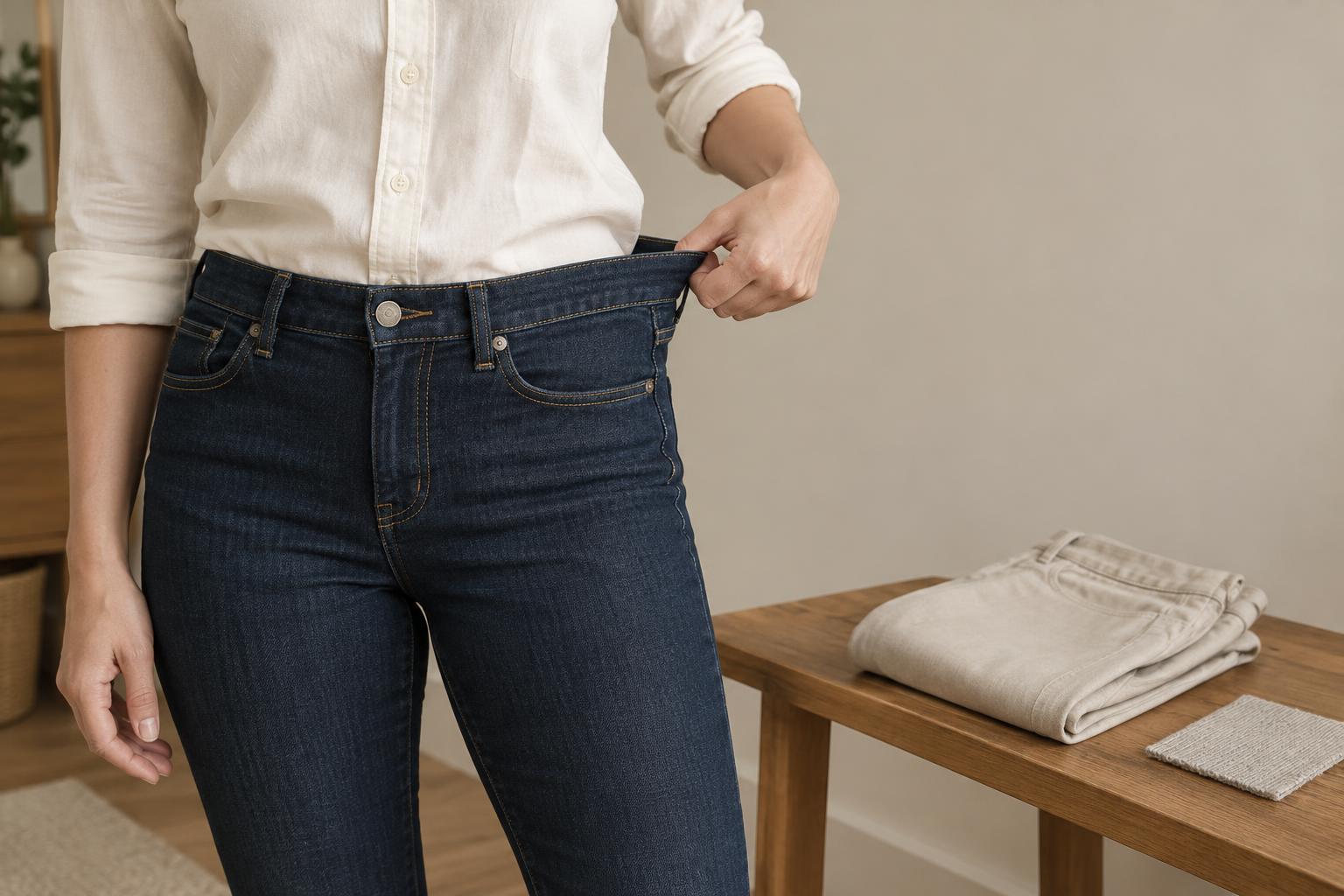
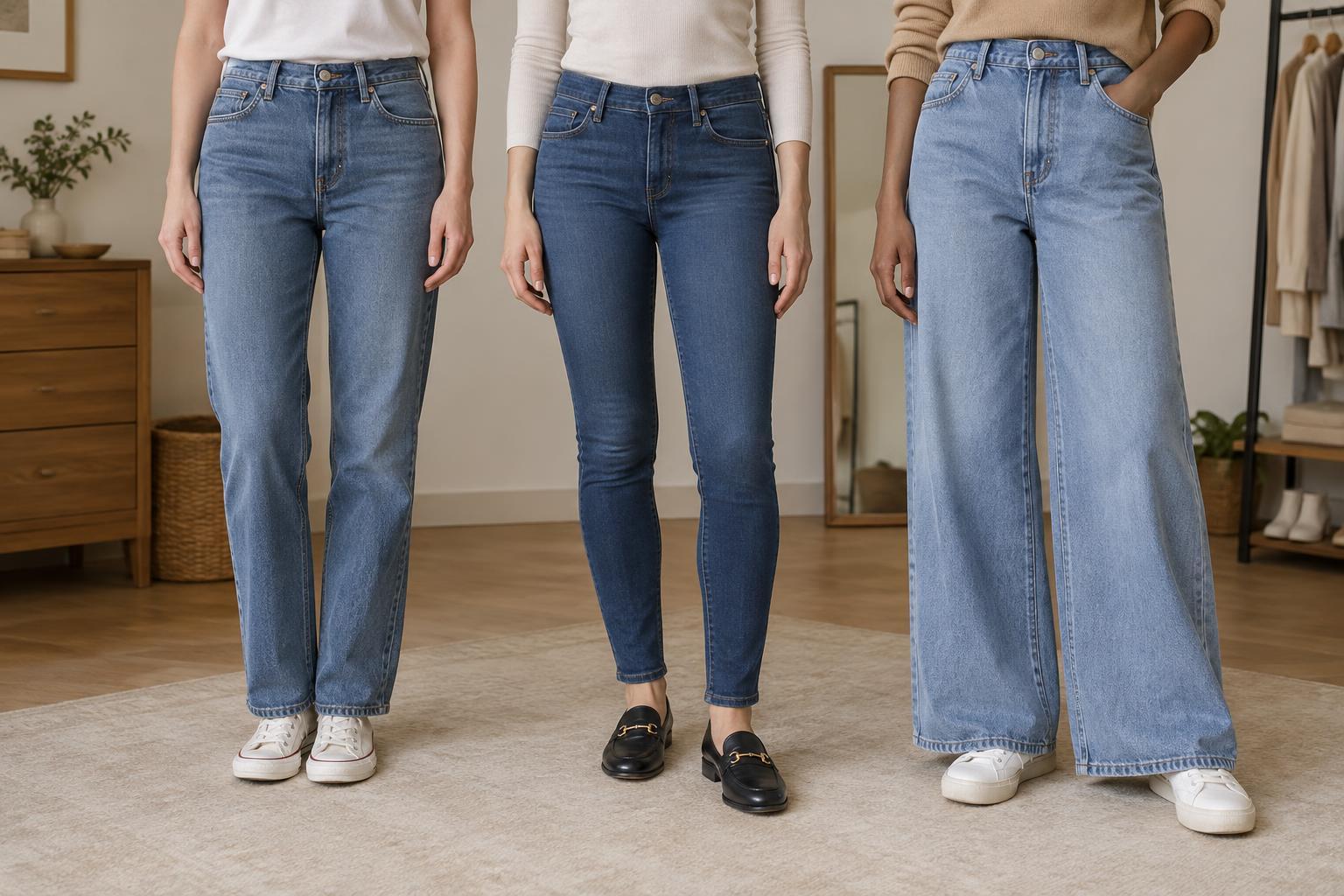
Read article · 4 min↗Straight, slim, wide, low-rise, high-rise: jeans labels can be hard to compare. Learn what cut and rise describe, how to check the fit when trying on a pair, and how to choose jeans that work with the clothes you already wear.
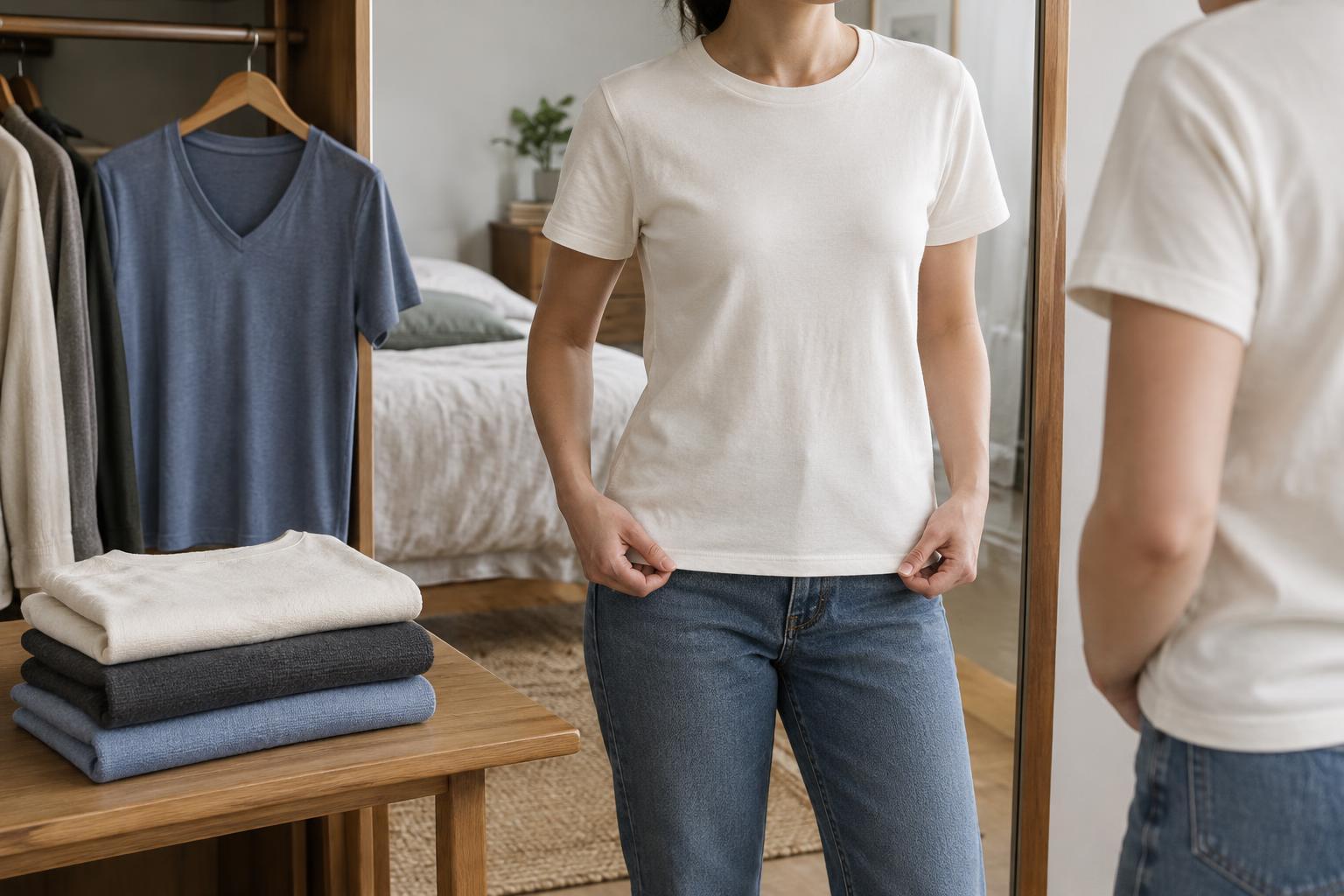
Read article · 4 min↗A useful everyday T-shirt should feel comfortable, sit the way you like and work with the clothes you already wear. Learn how to judge fit, compare necklines and choose a fabric weight that suits your routine.
Read article · 4 min↗Recommended

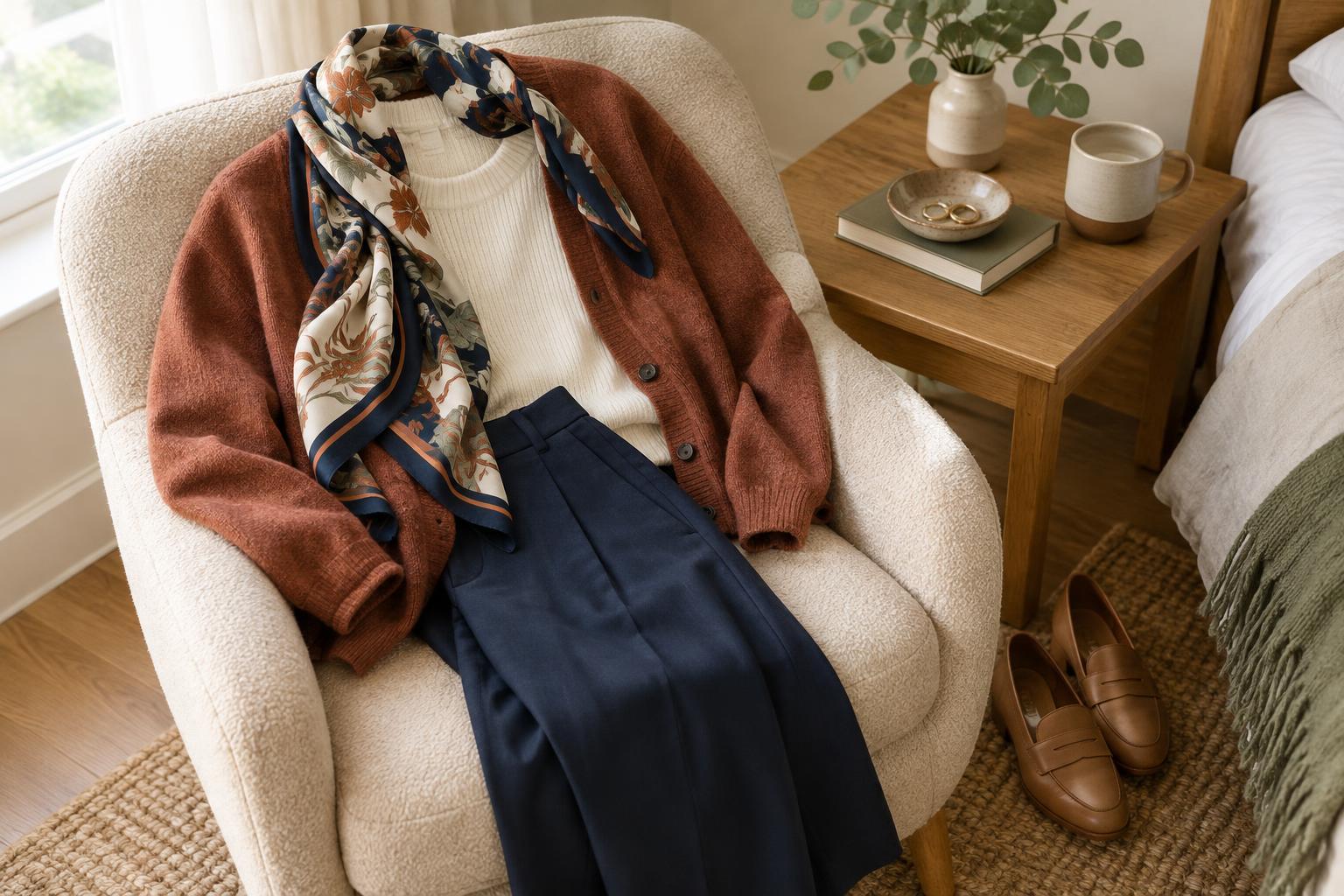
Personal style becomes easier when the clothes you already enjoy are the starting point. A scarf can add colour to a familiar coat, soften the line of a jacket or make a simple outfit feel considered without changing its character. This independent guide looks at UniqueYou through that practical lens: what different scarf shapes and materials can do, how to choose one for yourself or as a gift, and how to make an accessory work with a real wardrobe rather than an imagined one.
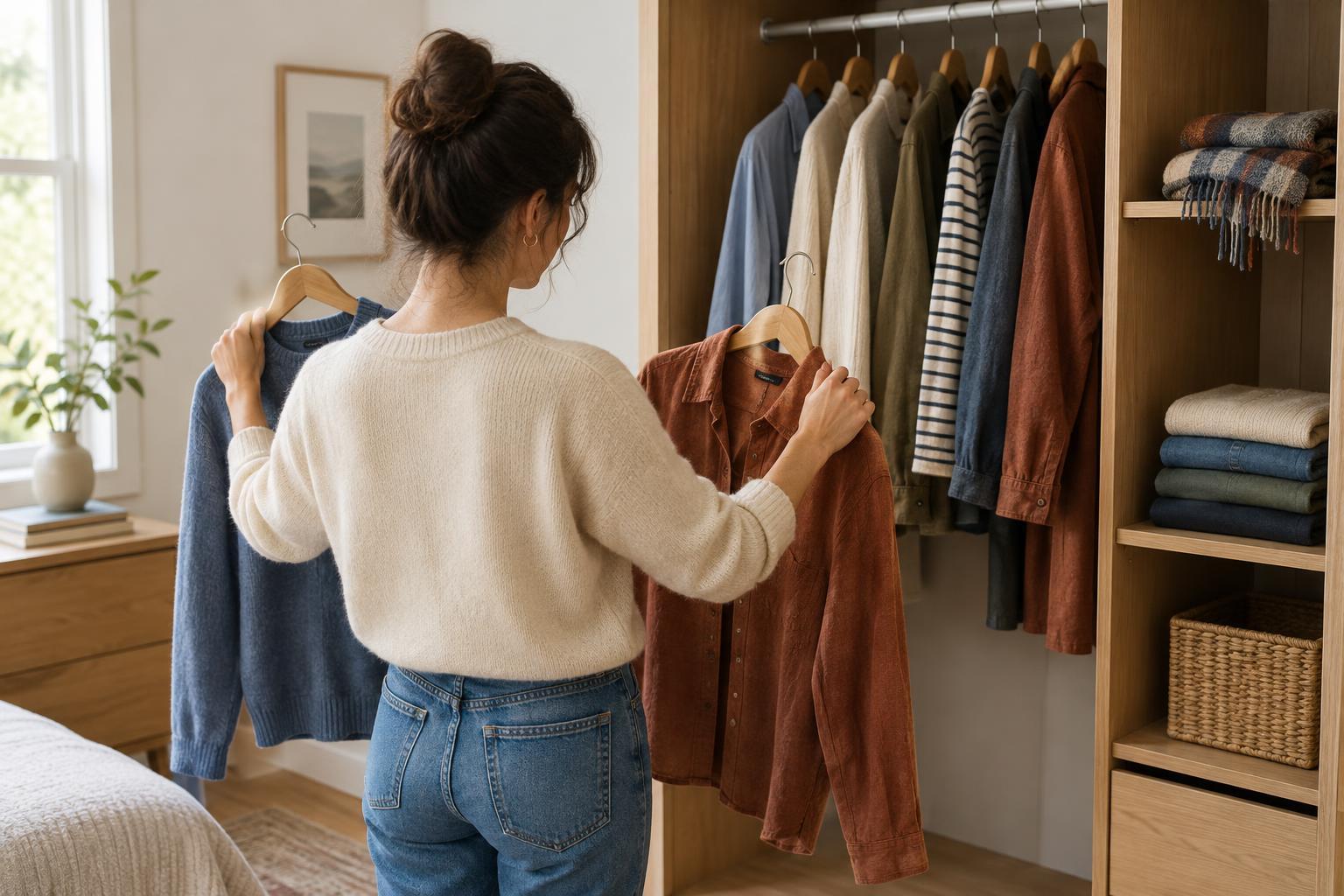
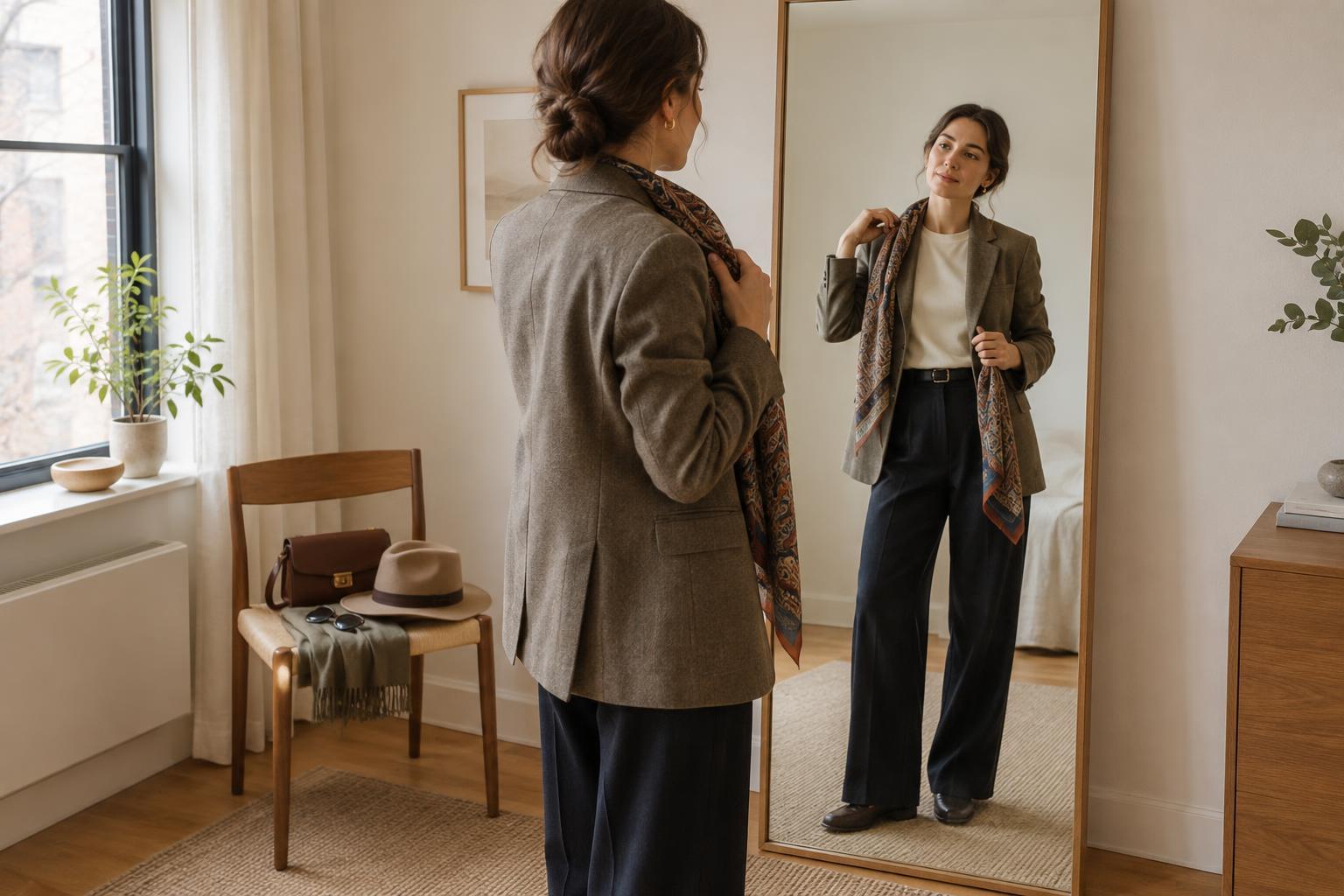
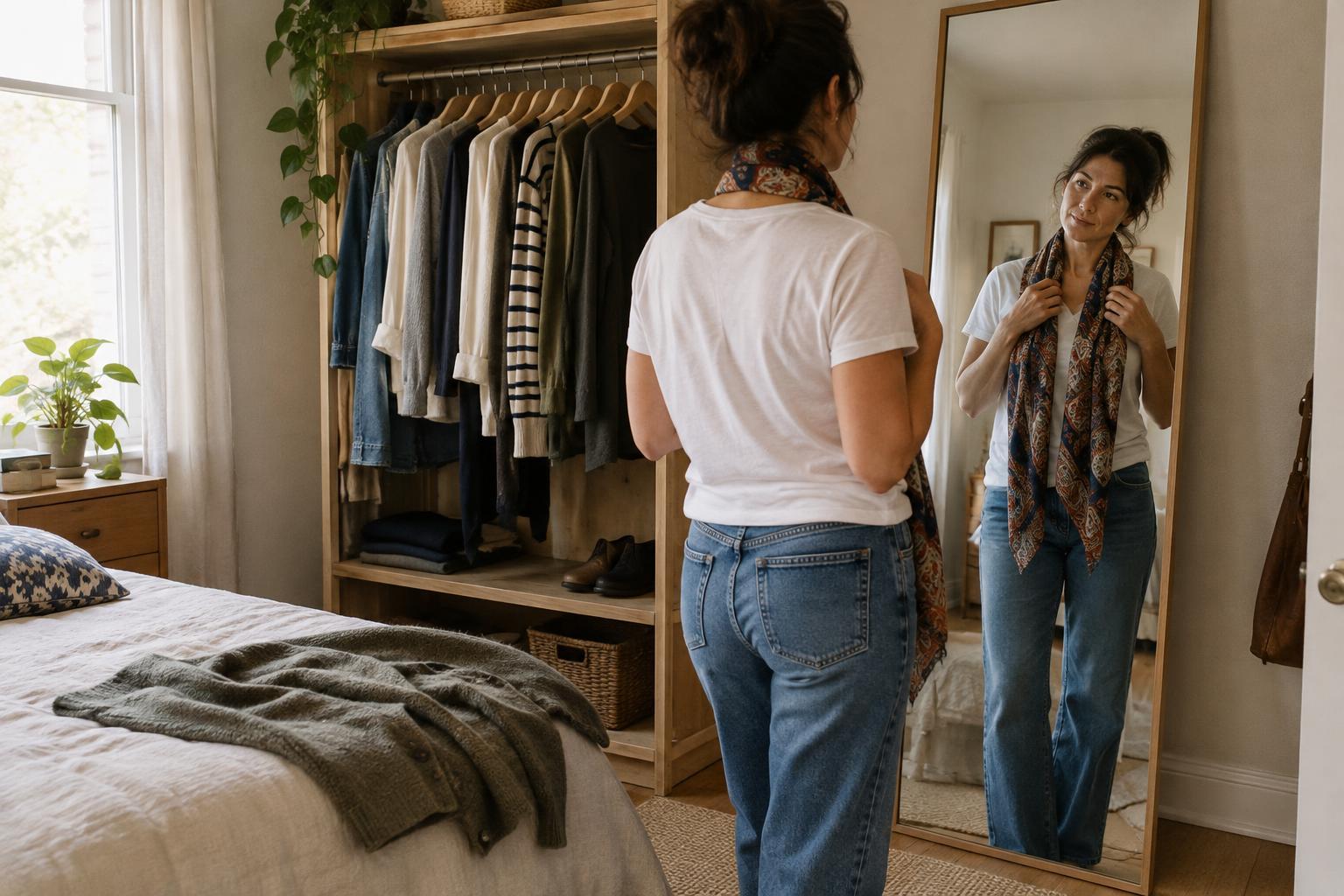
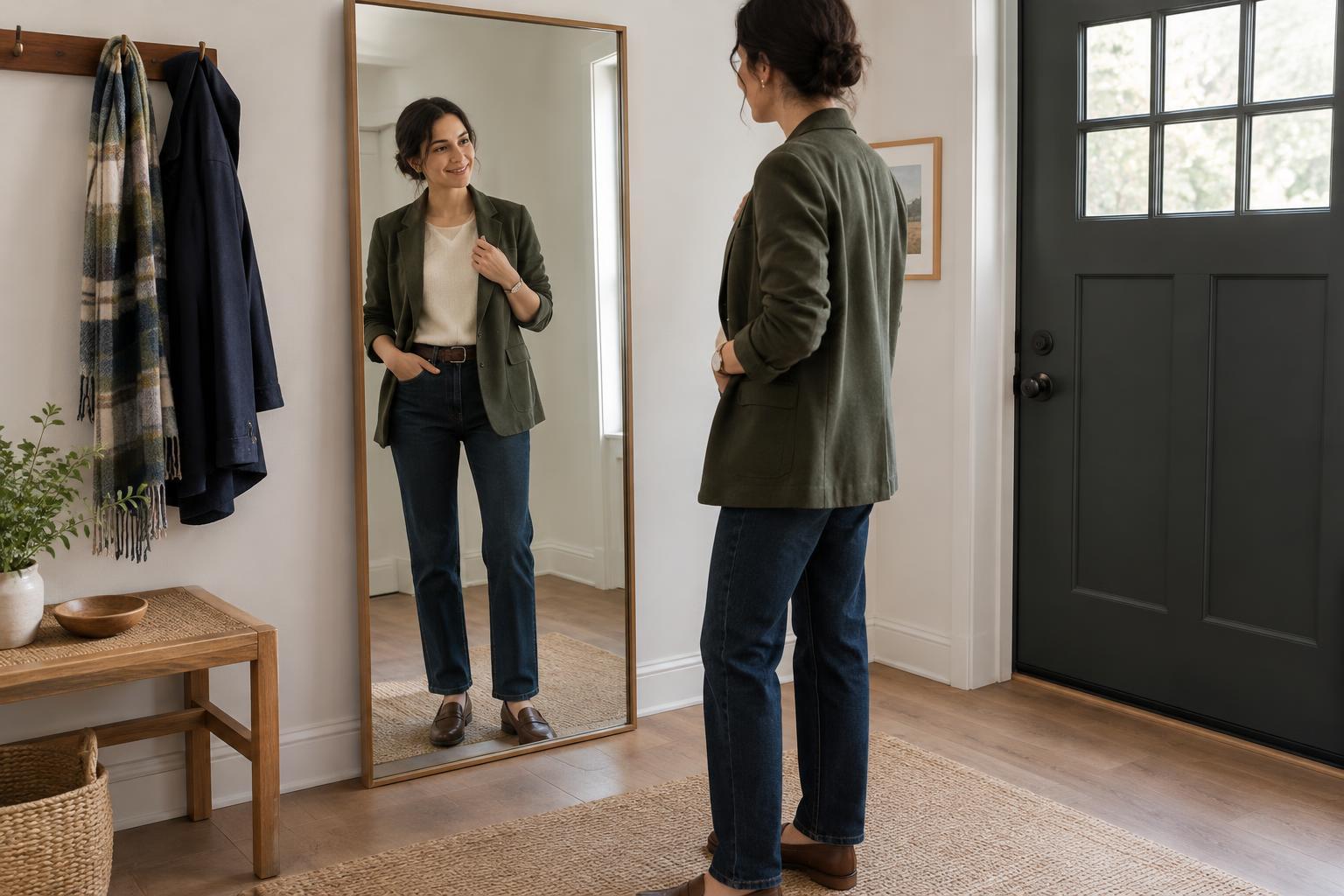
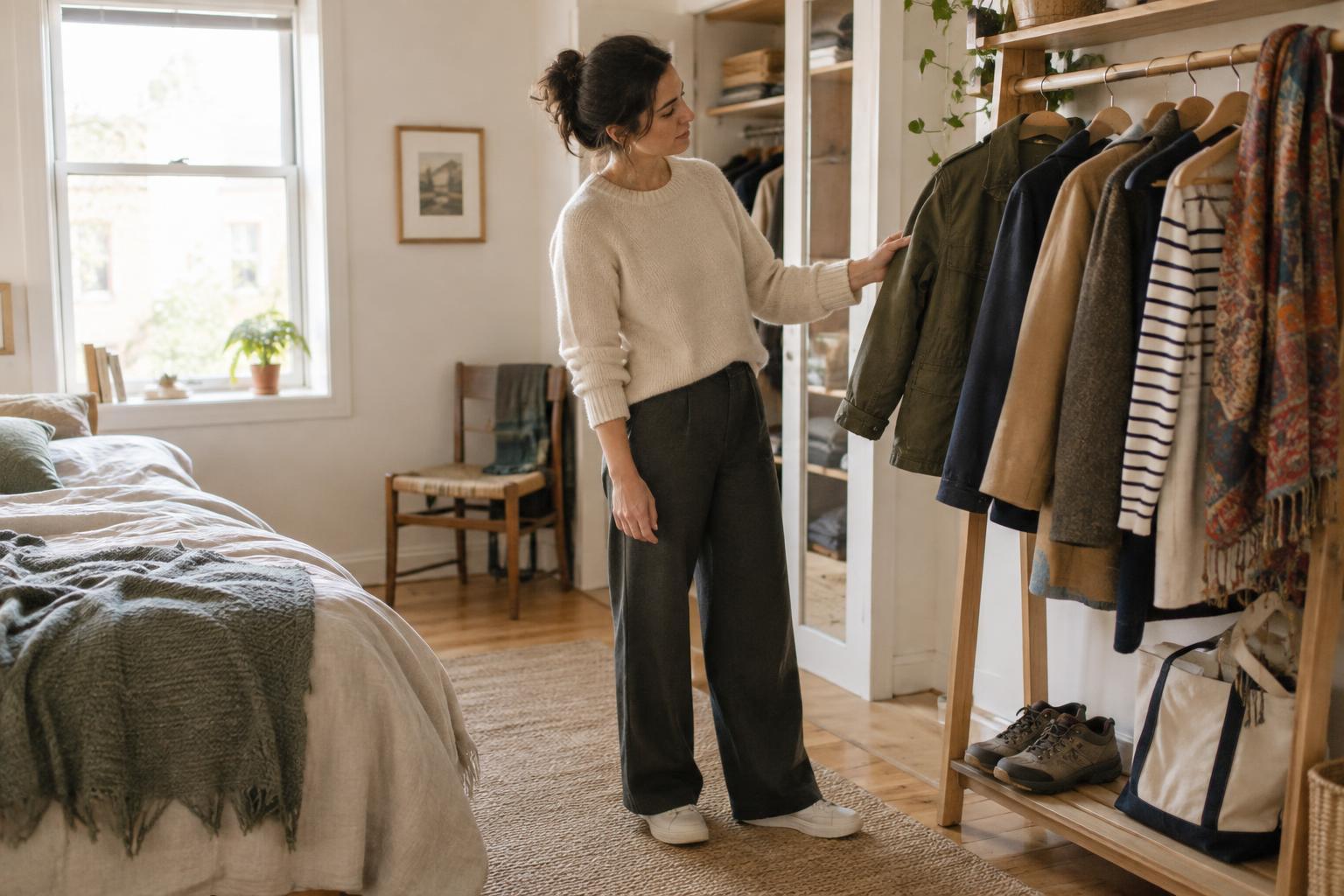
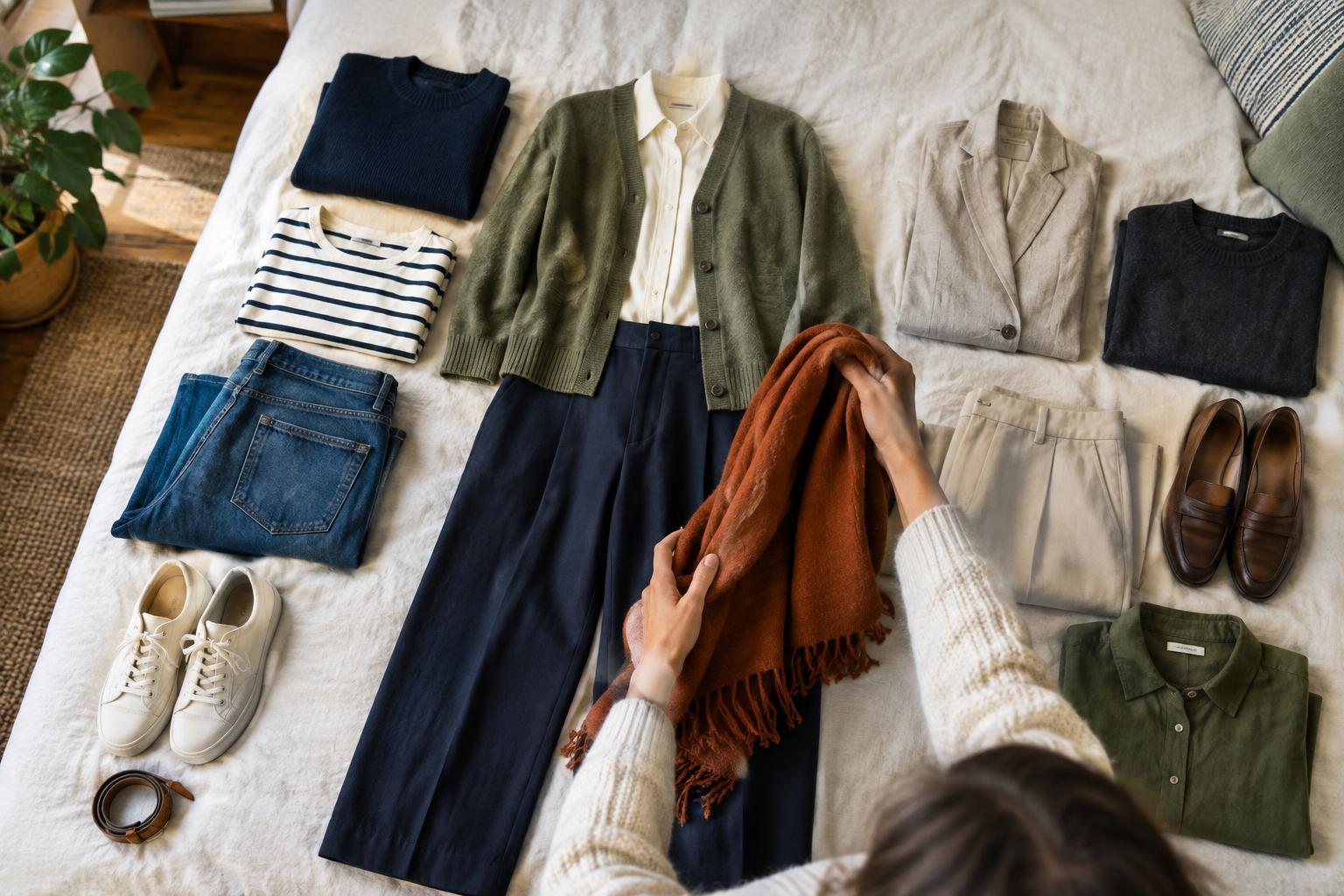
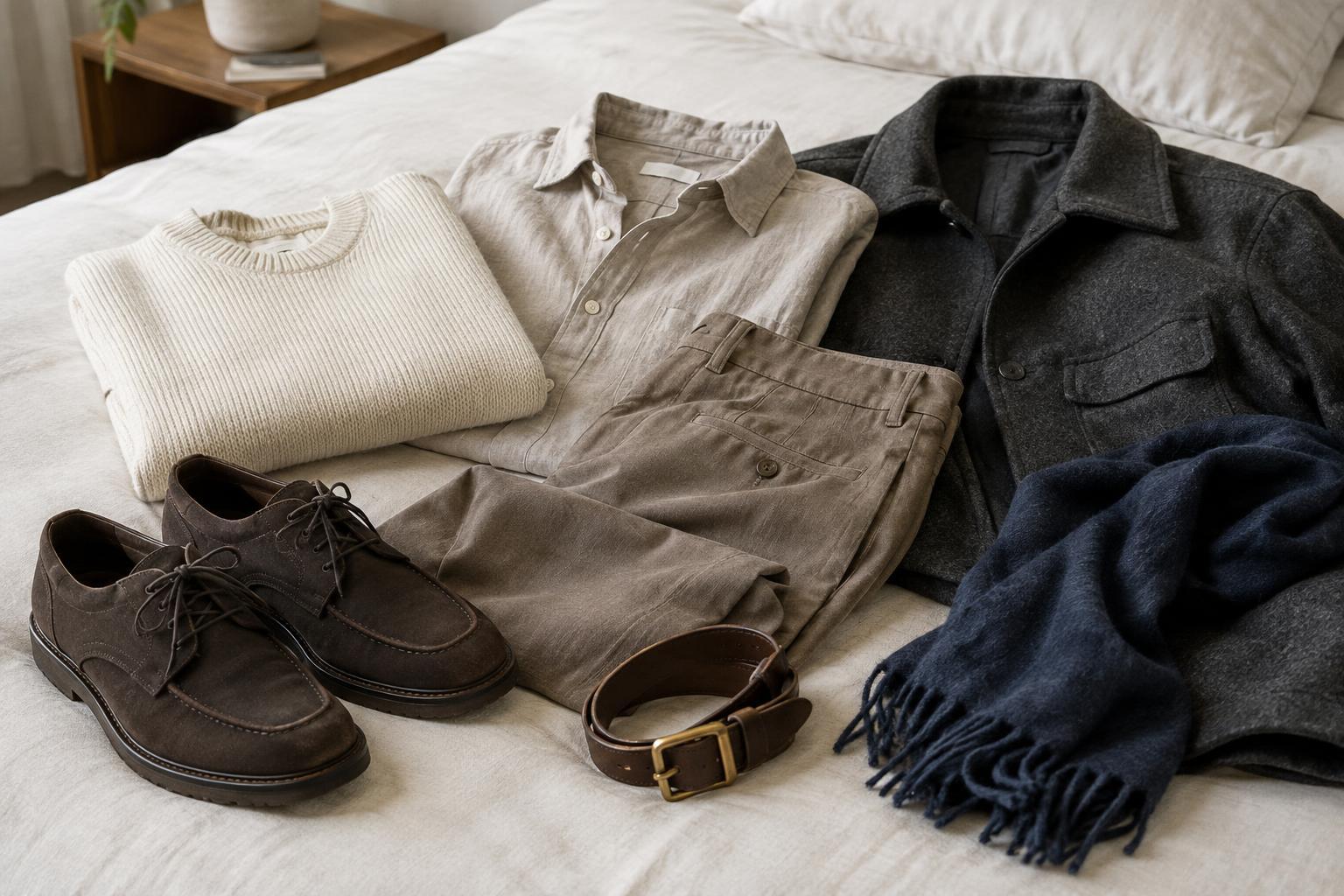
Before choosing an accessory, notice the outfits that carry you through an ordinary week. Which coat goes on most mornings? Do you reach for crew-neck knits, open collars, dresses or tailored jackets? A scarf that looks beautiful on its own may spend little time outside a drawer if it competes with your usual necklines or feels awkward under your coat. Photograph two or three outfits you wear often, then consider what each is missing: warmth, a lighter colour near the face, a little pattern or simply a softer finish.
This approach suits the way UniqueYou presents scarves as accessories to wear with an existing wardrobe. The brand began with scarves and clothing in 2014, later paused, and returned after recovering its domain; that history is not a claim of uninterrupted trading. Its brown wordmark, horse motif and “Since 2014” detail sit alongside a neutral taupe visual palette. Those cues suggest a restrained style, but your own clothes should make the decision. An accessory earns its place when you can picture several believable occasions for wearing it.
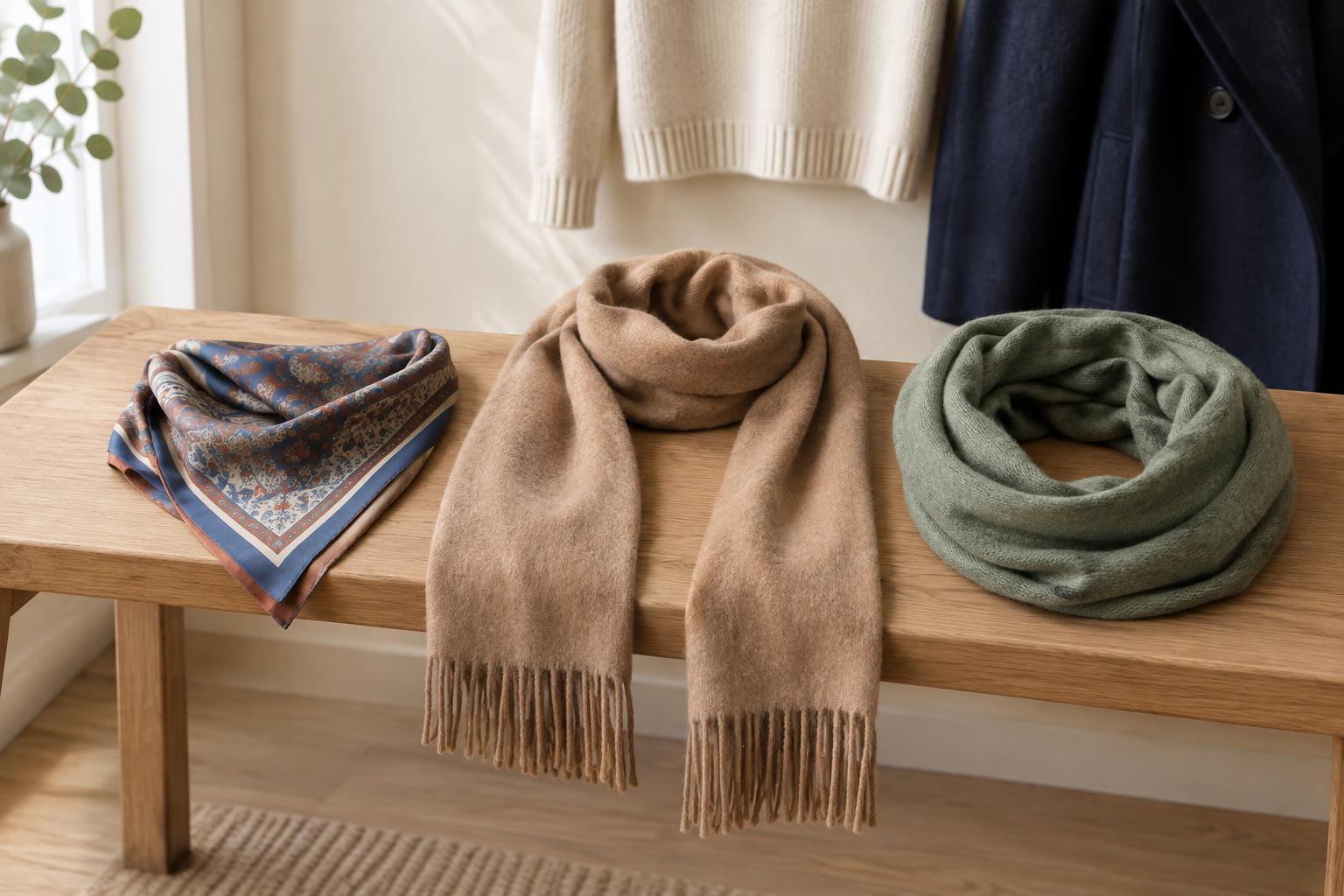
A long scarf gives you room to change both warmth and proportion. Hang the ends loose to draw the eye vertically, fold the scarf once for a neater line, or wrap it closer when the weather calls for more coverage. A shawl or wrap can sit across the shoulders over a dress or knit, adding a layer without replacing the outfit beneath it. Neither shape is automatically more versatile: the better choice depends on whether you need something that fits inside a coat or something you can drape over one.
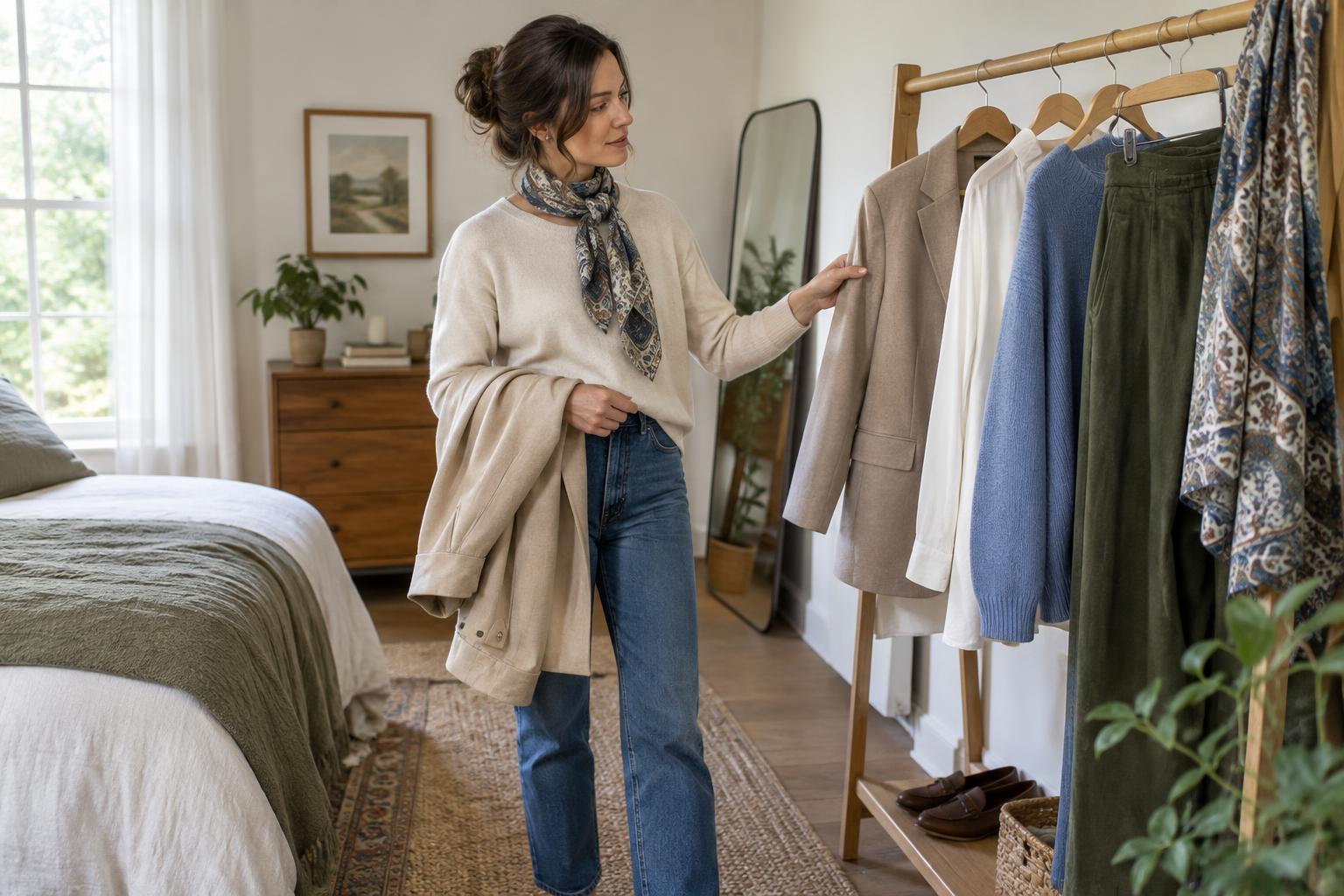
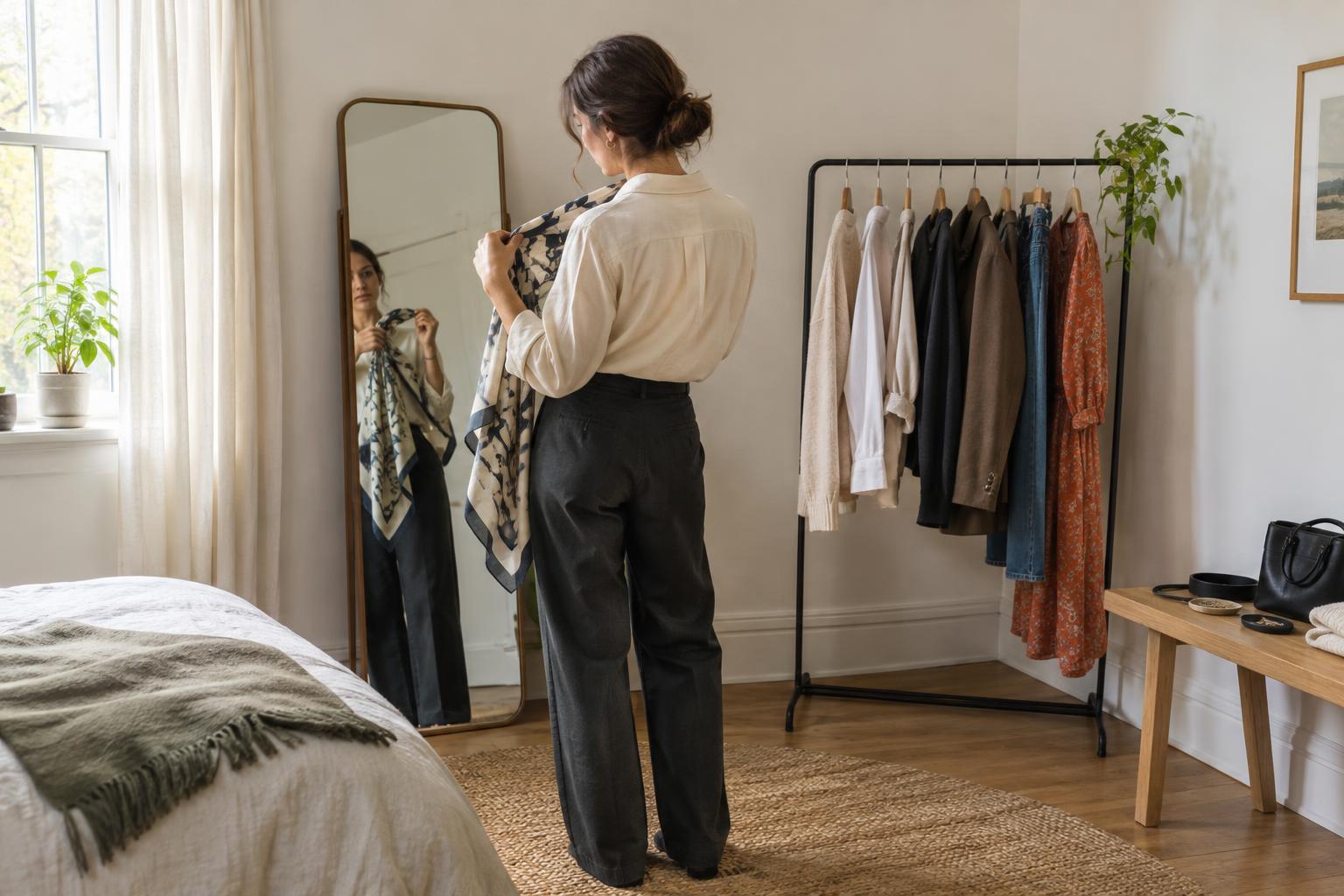
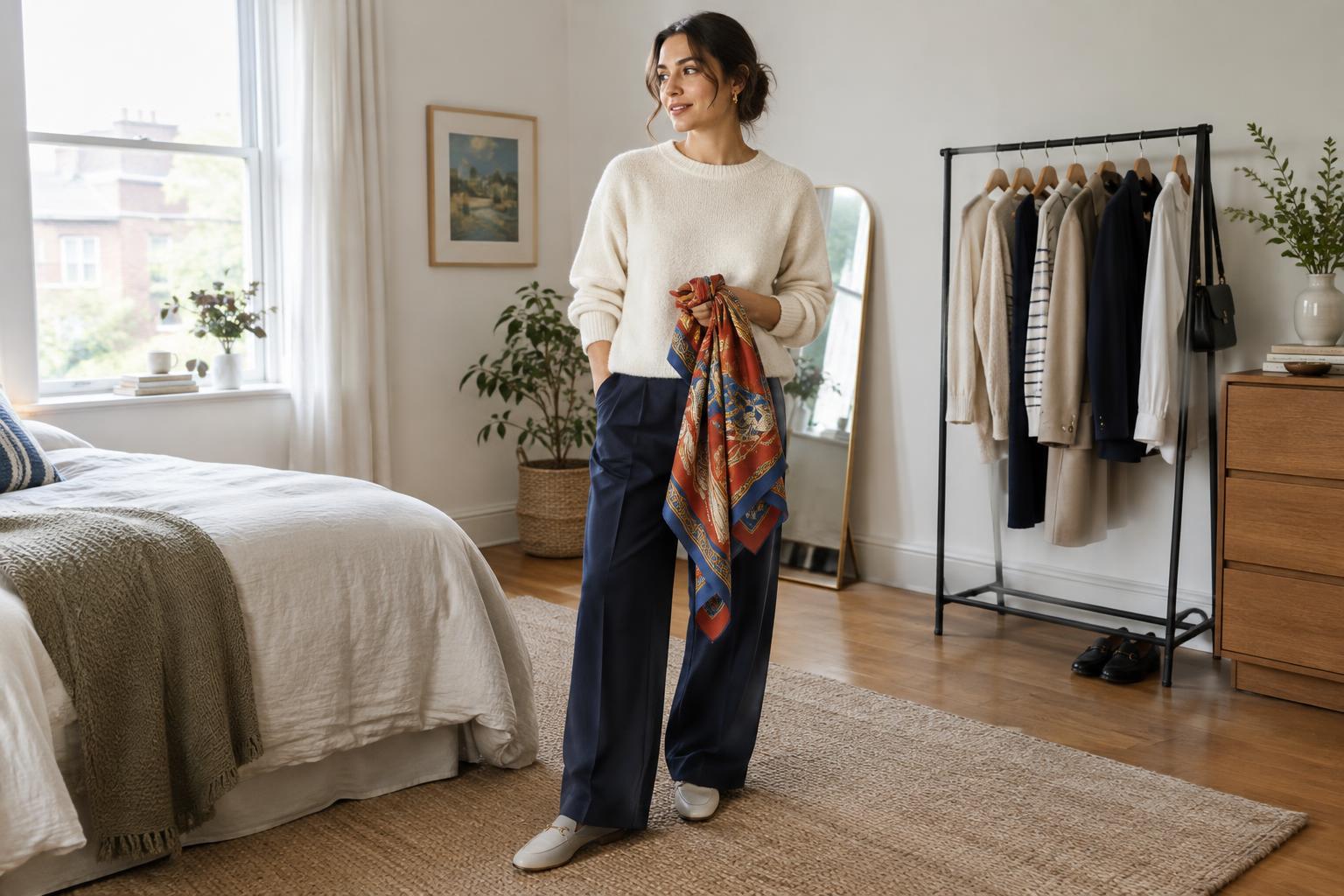
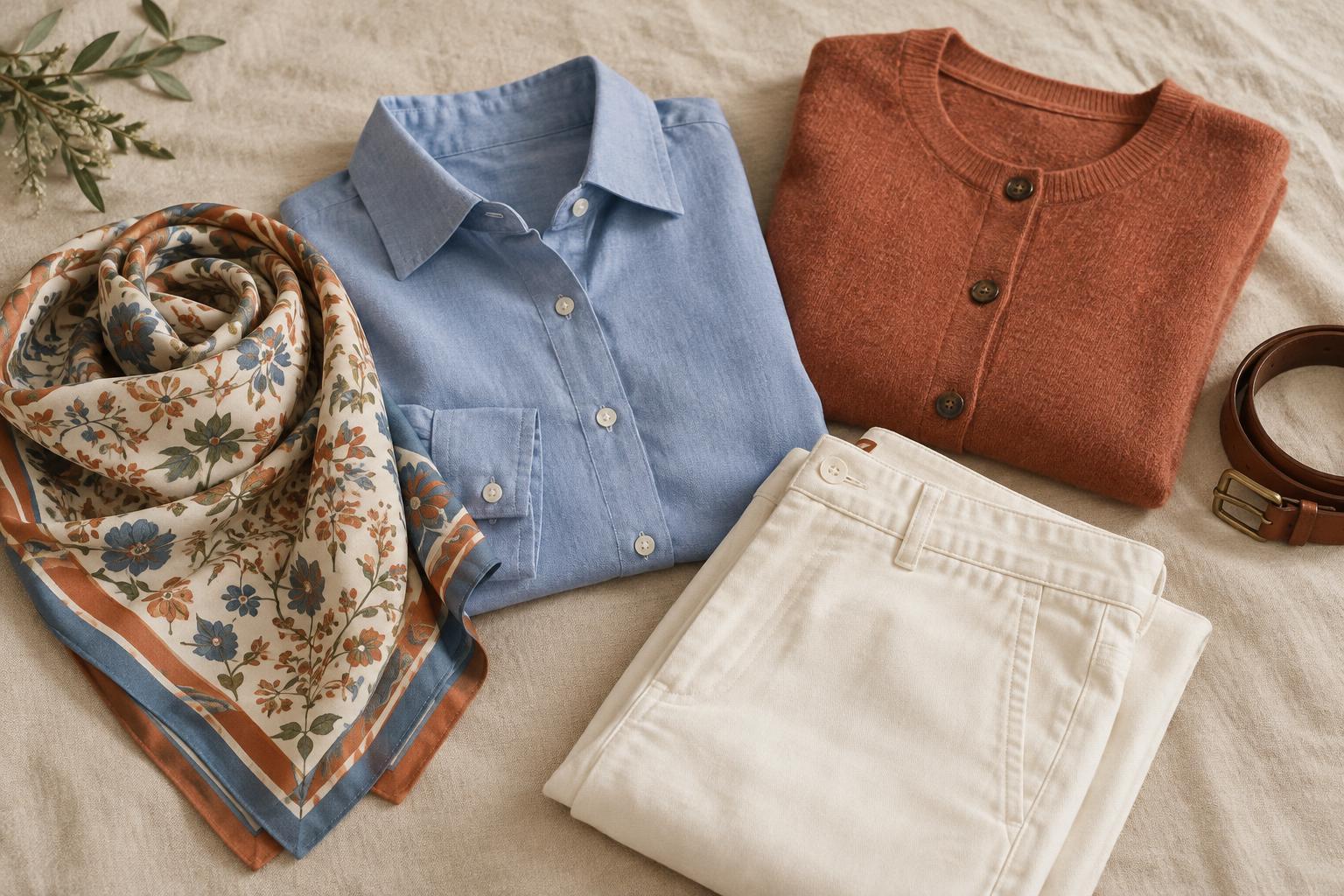
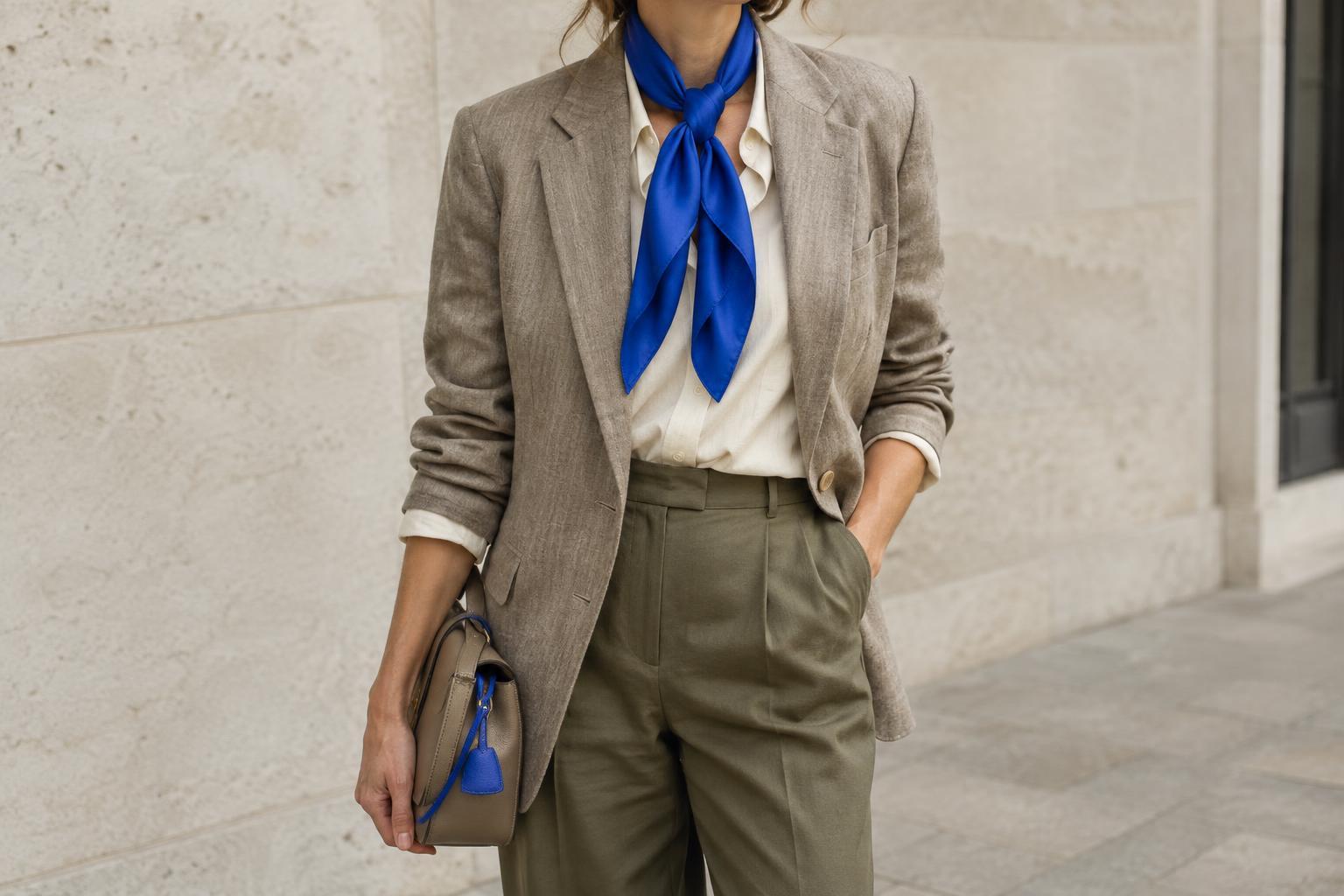
Square scarves offer a different scale of detail. Fold one into a triangle for the neck, roll it into a narrower band for a small accent, or tie it to a bag if that suits your habits. A smaller square can bring colour close to the face without the volume of a winter scarf; a larger square can cover more of the neckline. UniqueYou’s range includes women’s scarves, shawls, wraps and square scarves, so it makes sense to decide first where the accessory needs to sit and how much fabric you enjoy handling.
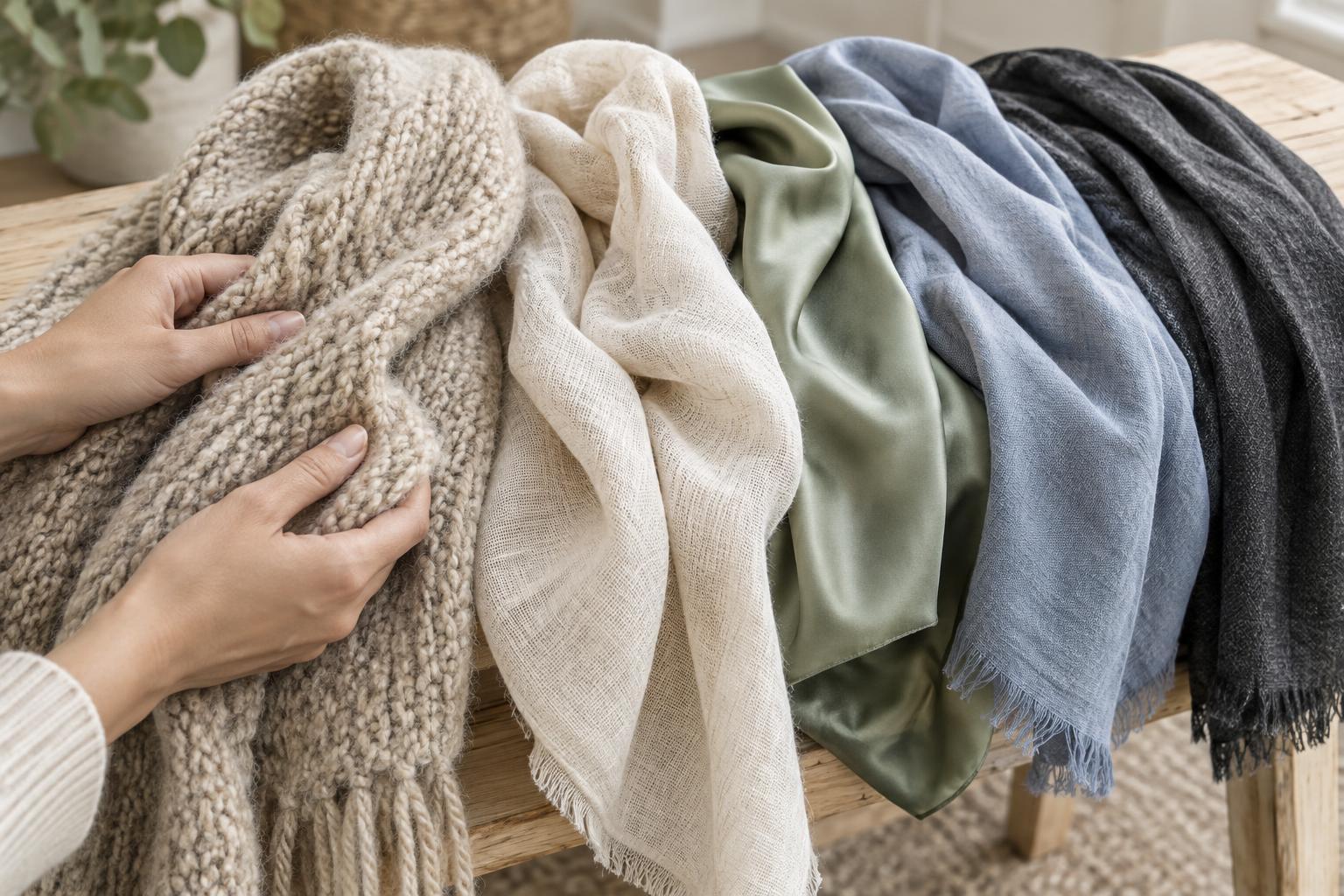
Silk, cashmere and wool are useful starting points for browsing, but a category name does not tell you the exact composition of every item. Check the individual product description before deciding what to buy or how to care for it. Also look for dimensions, weight and the way the fabric appears to fall. A scarf you want to tuck into a jacket calls for a different feel from a wrap intended to rest over both shoulders. If texture matters to you, consider what you will notice against your skin as well as how the piece looks from a distance.
Think about materials in relation to use rather than treating one fibre as a universal upgrade. A smooth square may be appealing for a crisp knot or a small flash of print. A softer, fuller scarf can make an outerwear outfit feel more complete when the air turns cold. Fabric blends, weave and thickness can change how a scarf behaves, even within a familiar material category. For a gift, uncertainty about texture is a good reason to choose a shape that can also be worn over clothing rather than only snugly at the neck.
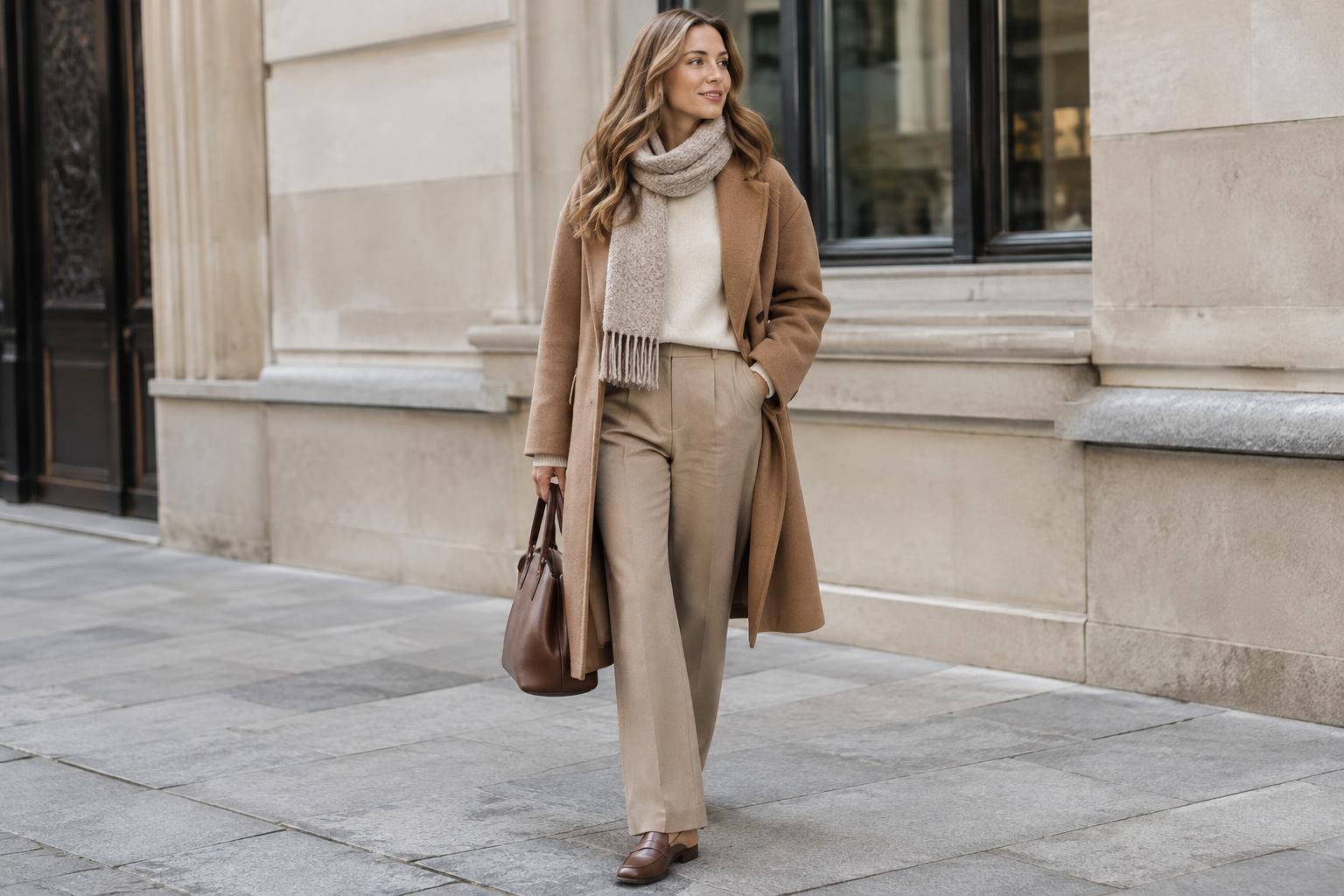
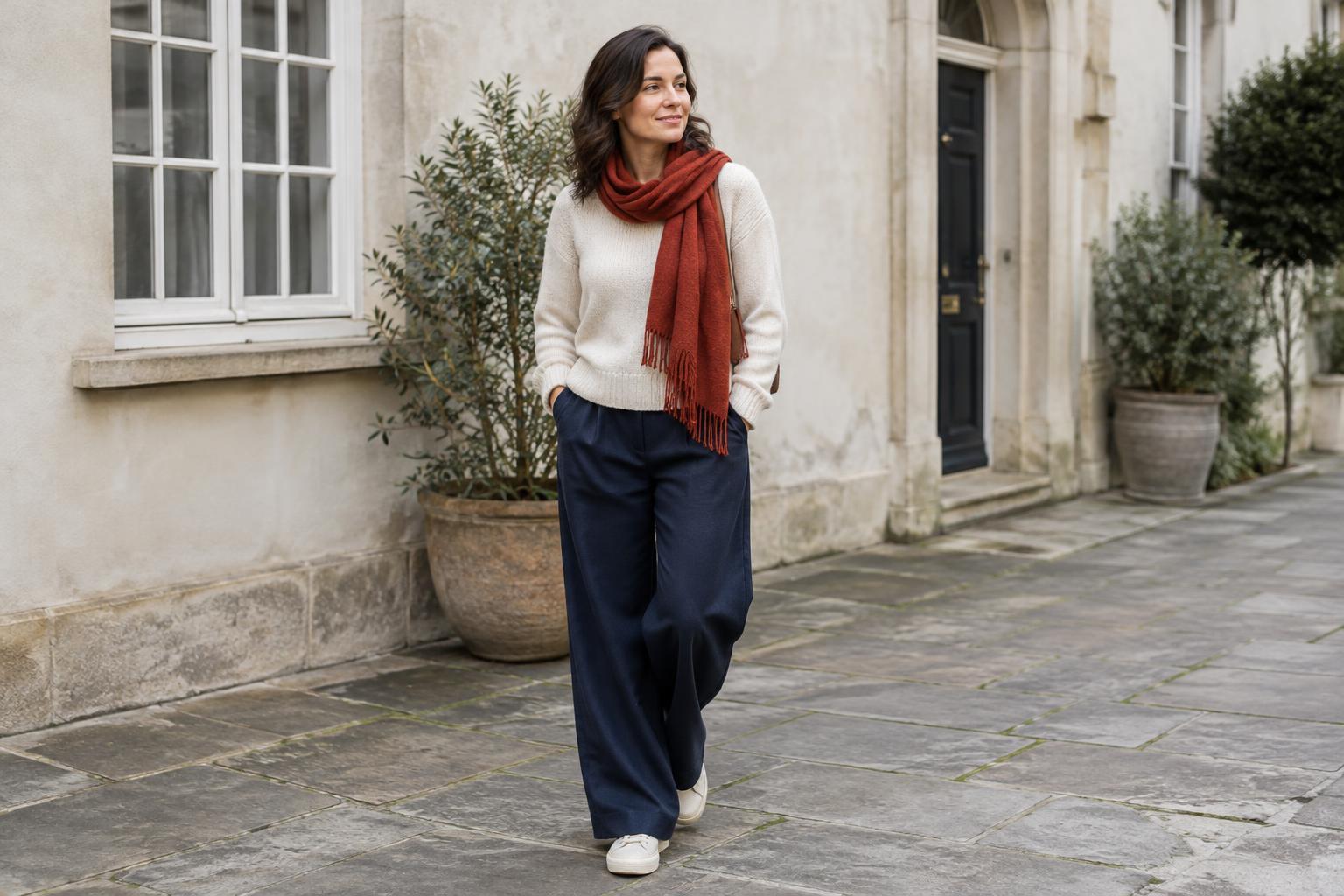
Take stock of the colours that already dominate your clothes: perhaps dark denim, navy coats, black trousers, cream shirts or earth-toned knits. A scarf can connect two colours you already wear, echo one of them or introduce a deliberate contrast. Beige and other quiet neutrals can soften a dark jacket, while a red accent can give a restrained outfit a focal point. Neither choice is inherently safer. The useful question is whether the new colour works beside the coat and top you will actually put on with it.
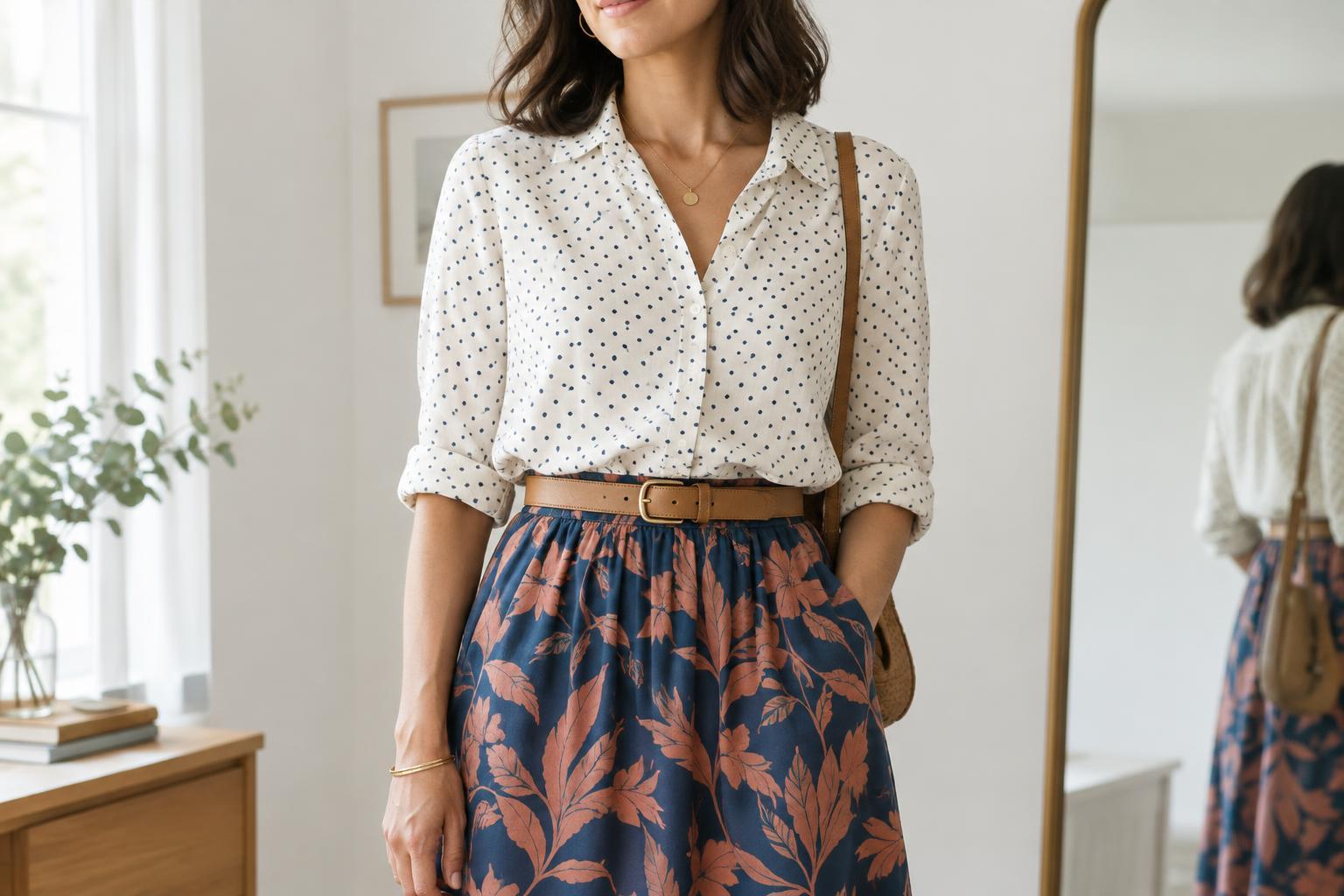
If you are unsure about a pattern, start with its background colour. Does it sit comfortably next to your most-worn outerwear? Then look at the accent colours and see whether one repeats in your wardrobe, even in a small detail. Checks can add structure to plain layers; stripes can bring movement to a solid knit; a printed square can bridge several colours in one outfit. You do not need to match every shade exactly. Repetition gives an outfit coherence, while modest differences keep it from looking overly planned.
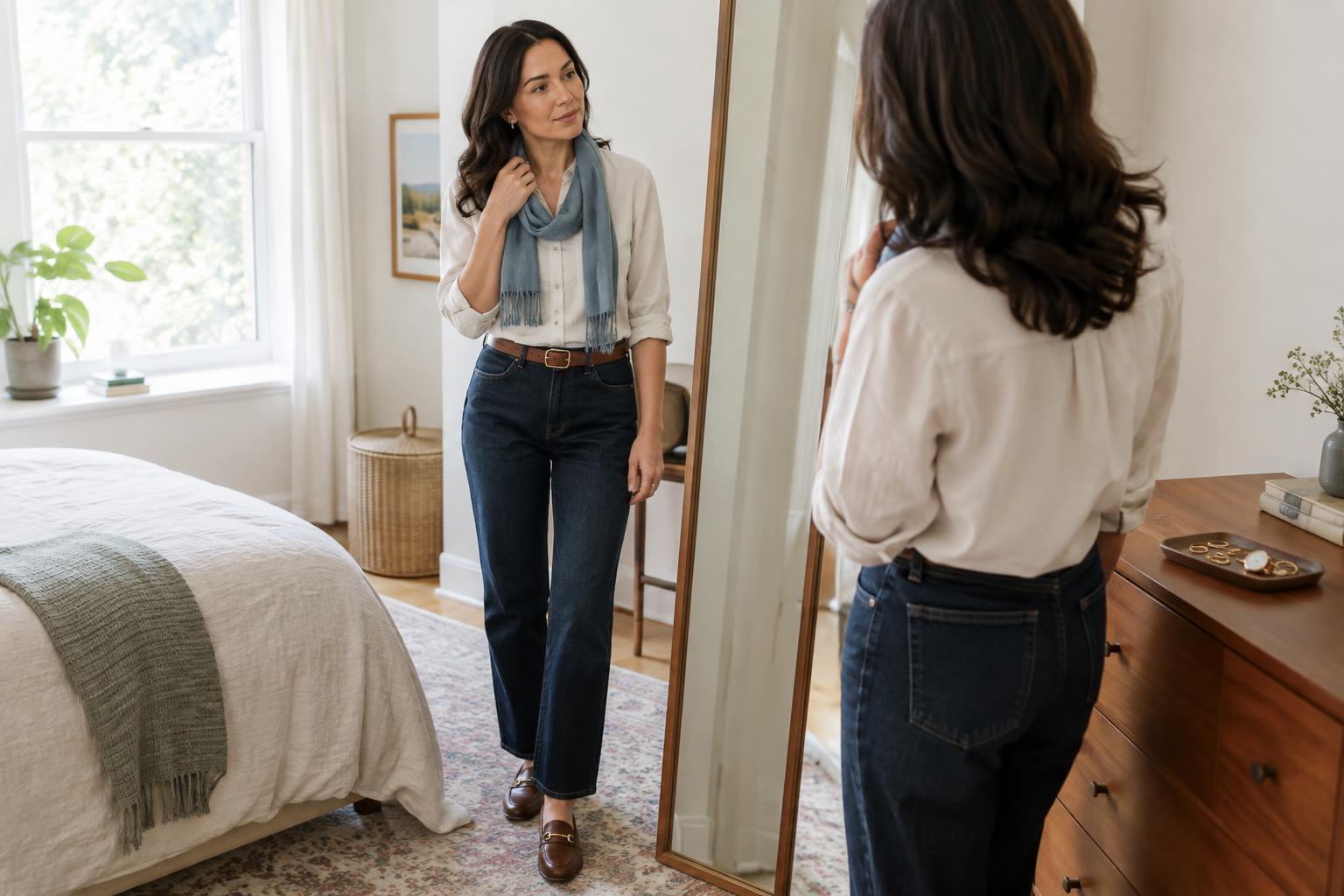
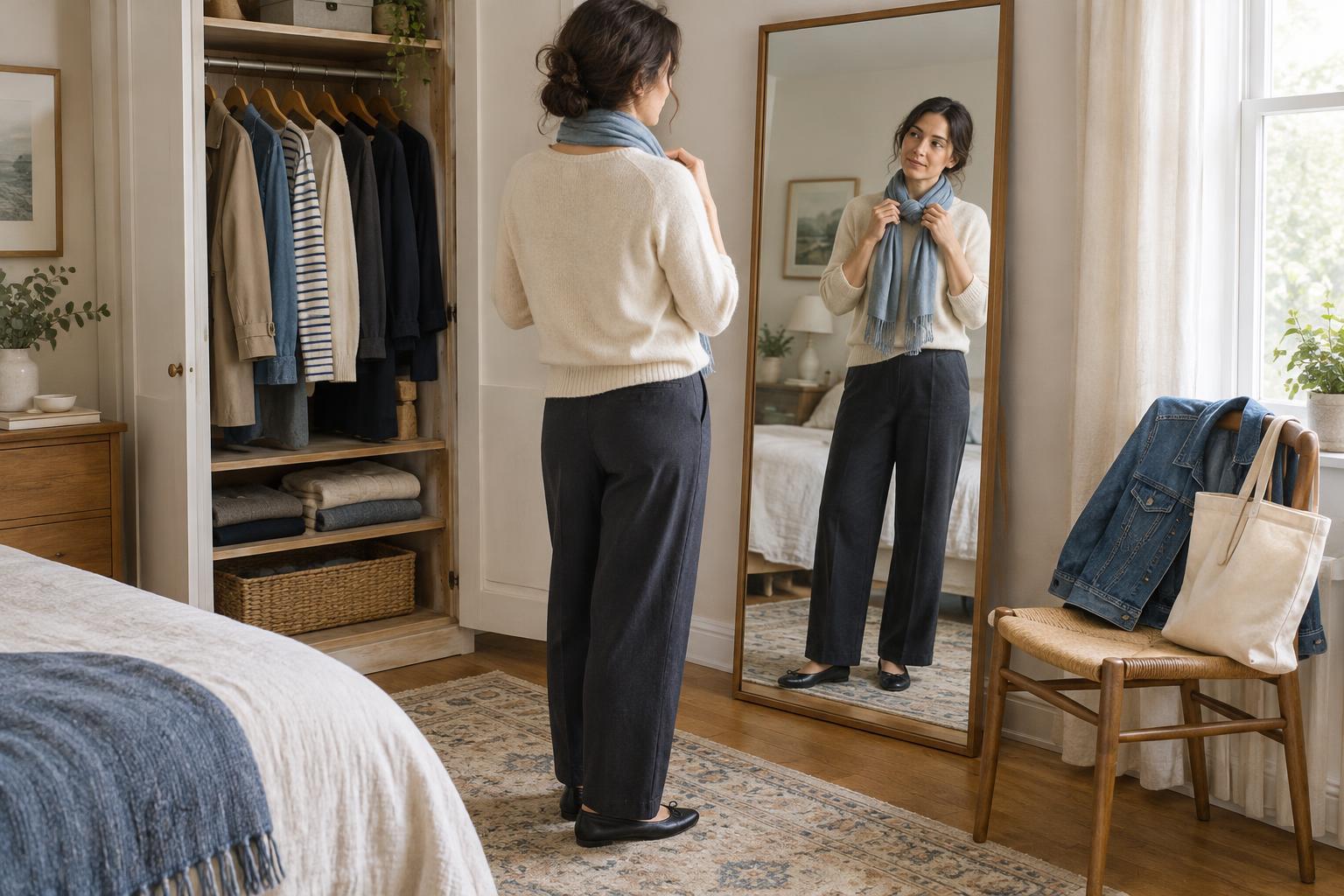
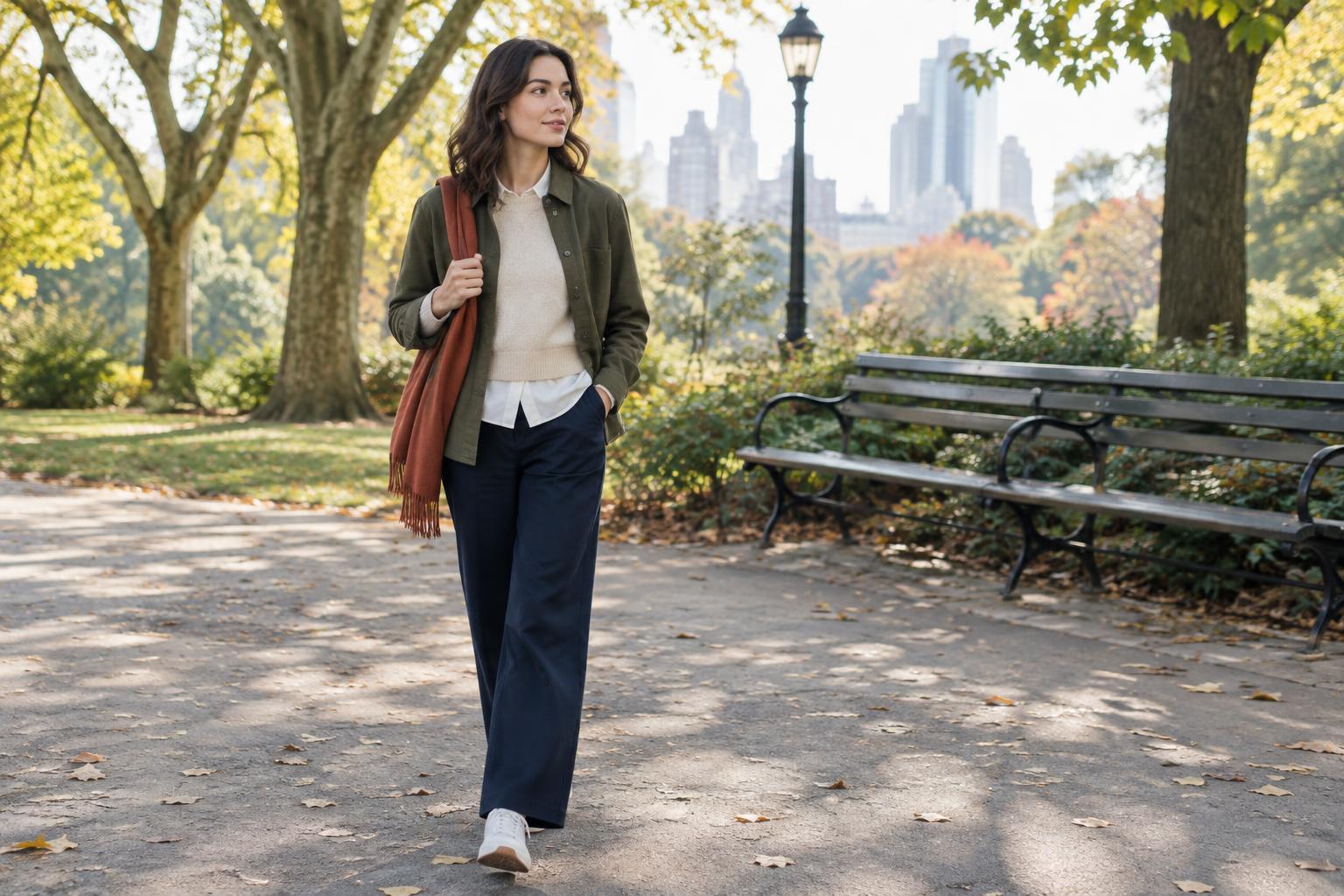
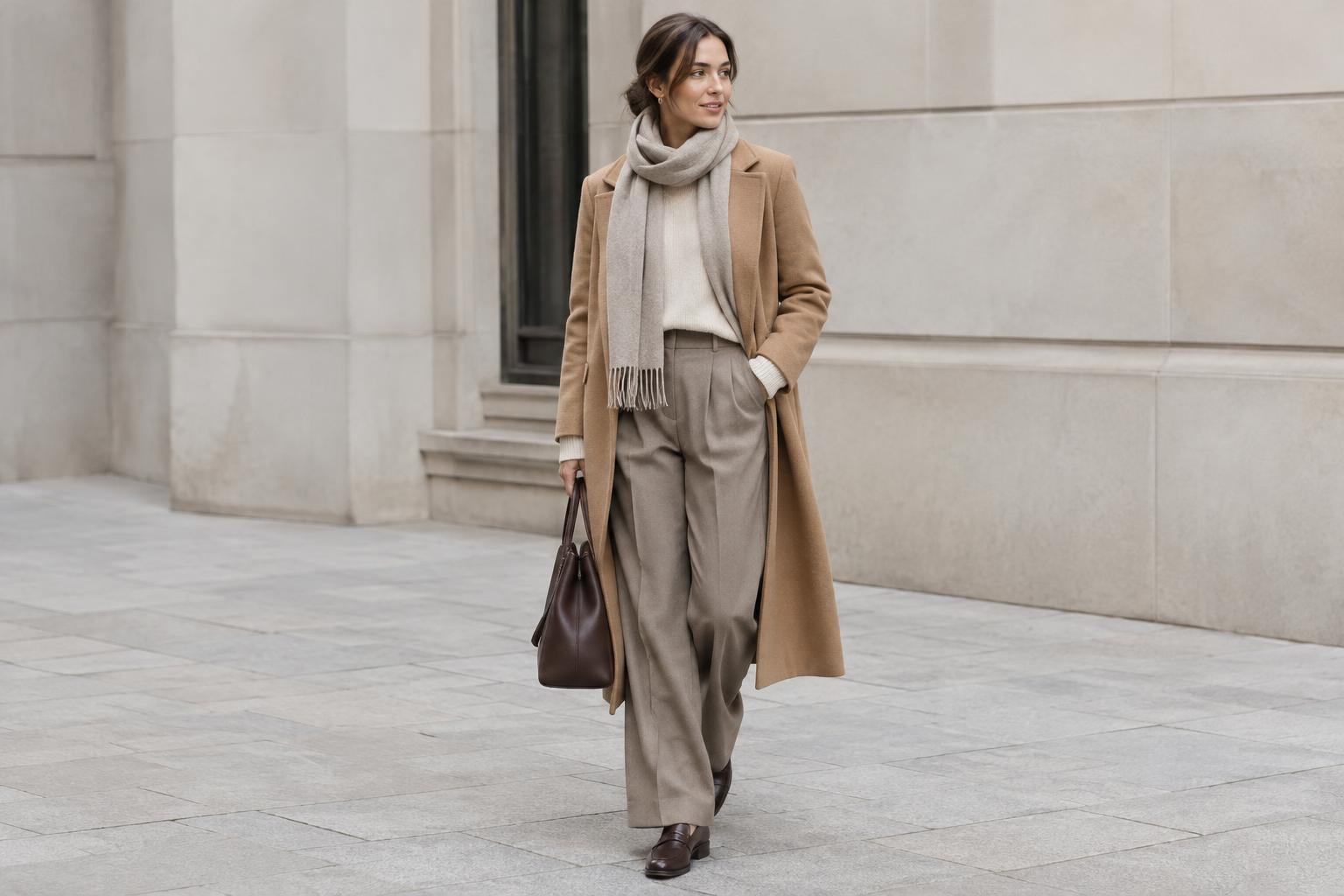
The amount of scarf matters as much as its colour. A large wrap over a loose coat makes a different silhouette from a narrow scarf under a fitted lapel. If your outfit already has volume in the sleeves or collar, you may prefer a flatter fold at the neck. If the rest of your clothing is simple and close-fitting, a broader drape can become its main feature. Try the accessory while wearing the outer layer you use most often; a scarf that works over a shirt may feel crowded once a high collar enters the picture.
There is no requirement to master elaborate knots. One loose loop, a simple fold or an easy shoulder drape is often enough. Pay attention to what happens while you move: whether the ends stay where you like them, whether a bag strap catches the fabric, and whether you can adjust it without fuss. Everyday style is easier to maintain when the solution suits your routine. A scarf should let you feel like yourself while adding a useful layer or detail, not demand a completely different way of dressing.
A scarf can make a thoughtful gift because it does not require the same fit decisions as a tailored garment. It still deserves some observation. Notice whether the person wears prints or solids, warm or cool colours, compact neckwear or generous layers. Look at the coat they use regularly, not only the dressiest outfit you have seen them wear. If their style is quiet, a familiar colour with an interesting texture may feel more personal than a striking print selected for its impact in isolation.
When you do not know someone’s preferences well, avoid treating a particular material or shade as a universally safe answer. A practical route is to choose a colour related to something they already own and a shape that permits more than one way of wearing it. If you know they dislike fabric close to the neck, consider how a wrap could sit over a jacket instead. For someone who enjoys changing the details of an outfit, a square scarf offers room to experiment. Check the specific item’s composition and care information before gifting, especially if the recipient has clear fabric preferences.
Good wardrobe care begins with the label on the individual item. Different compositions and constructions can call for different cleaning methods, so do not assume that every silk, wool or cashmere-category scarf should be treated alike. Give a scarf time to air between wears when appropriate, and address a mark according to its care instructions rather than rubbing at it in haste. Before storing a piece, make sure it is clean and dry. These small habits help you keep track of what you own and reduce the chance of forgetting a favourite at the back of a cupboard.
Storage should suit the space and the fabric: a relaxed fold in a drawer may be easier to manage than a tightly packed hook, while a delicate piece benefits from being kept away from snagging hardware. The wider wardrobe matters too. Repairing a loose button, brushing a coat according to its care guidance and keeping shoes in usable condition can make a familiar scarf feel fresh again. You need not buy a new outfit to enjoy a new accessory; often the most useful change is taking better care of the clothes already around it.
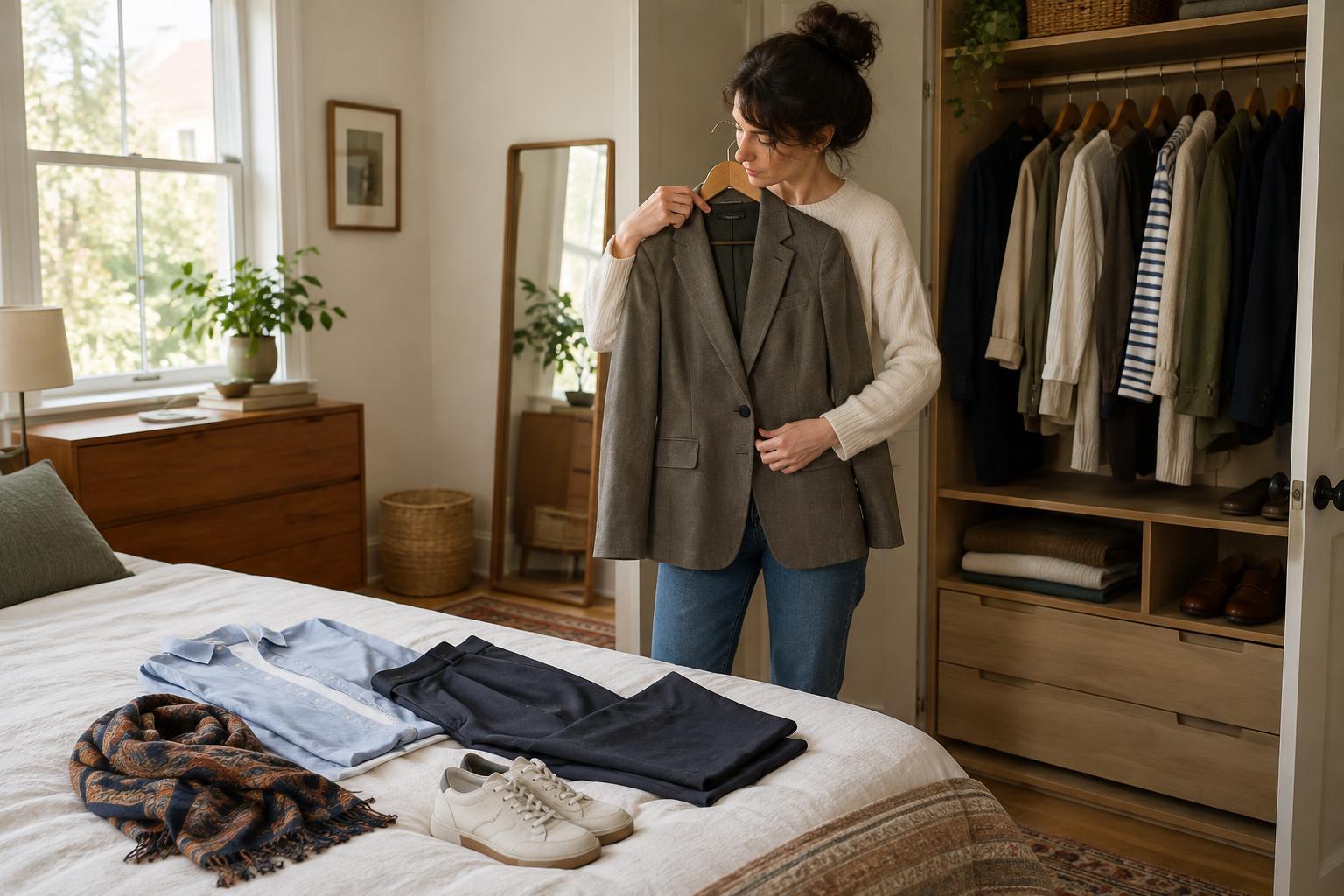
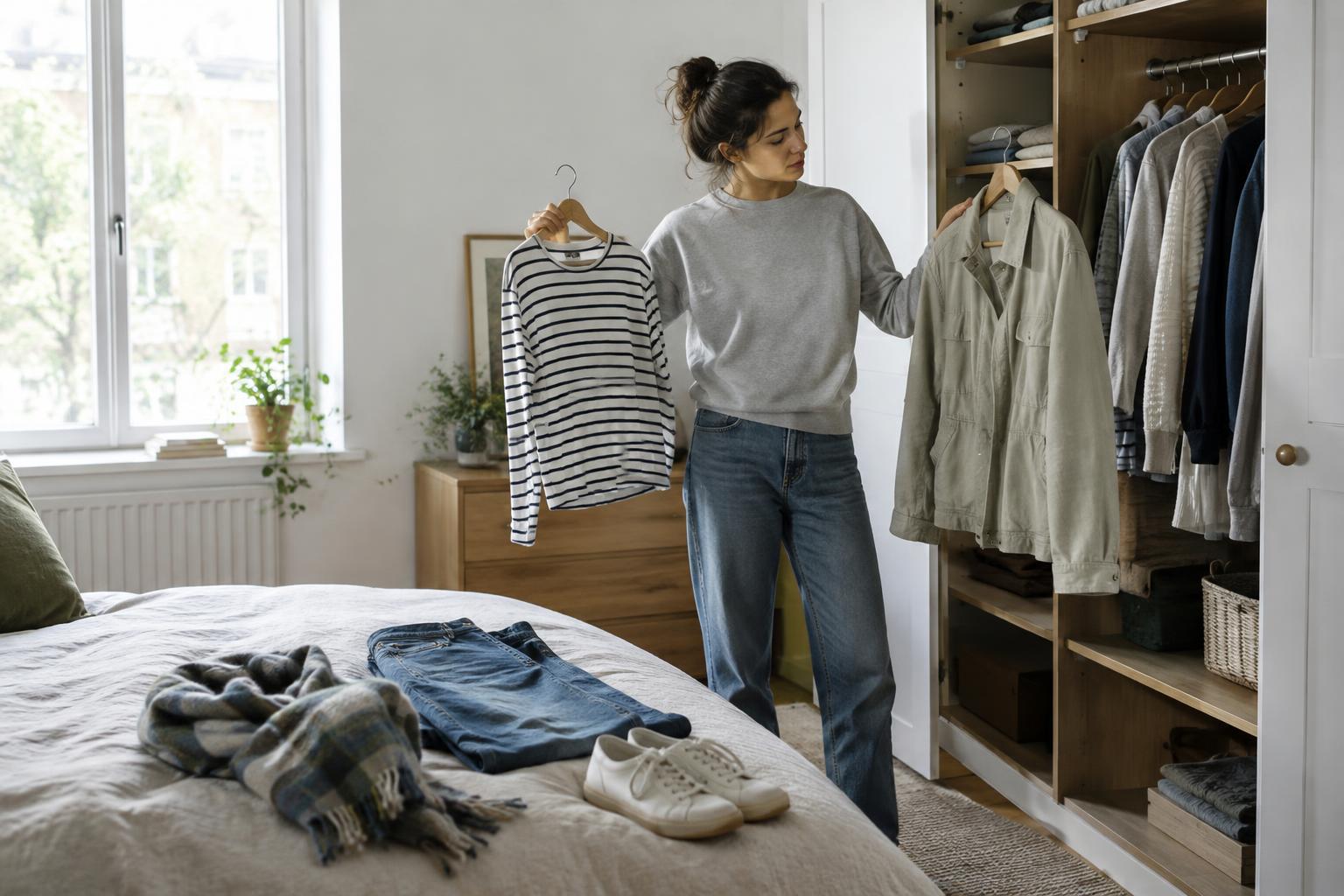
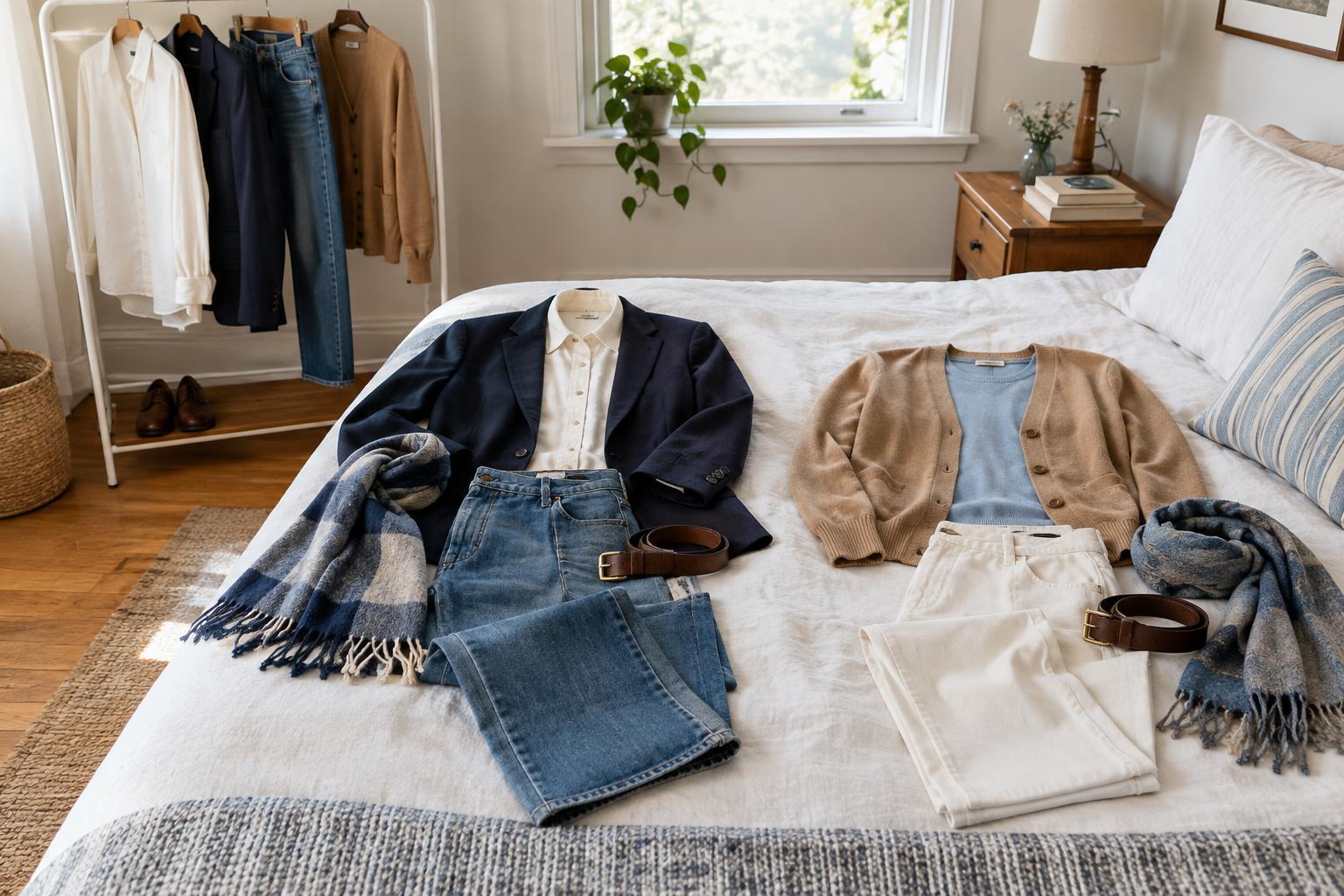
A useful test is to write down three combinations before choosing a scarf. One might be your workday coat and a plain knit; another, jeans and a shirt; the third, an outfit for a dinner or family visit. Note the colour and shape that would work in each setting. If the same scarf fits all three, you have a practical reason to consider it. If it only works with an outfit you rarely wear, pause and ask whether you want a special-occasion accessory or an everyday addition.
This is also a way to stay honest about personal taste. Perhaps you love bold checks but usually dress in muted colours, or admire a long wrap while preferring to keep your hands free and your layers compact. You can still choose the more expressive option; just make that choice knowingly. UniqueYou is most relevant here as a source of scarf and wrap ideas, not as a replacement for your own judgment. Start with fit, colour and use, then compare the individual item details that matter to you.
UniqueYou has 20 regional domains, 21 regional-language versions and 16 distinct languages. The numbers differ because countries can share a language: German serves Germany and Austria, Dutch serves Belgium and the Netherlands, and English appears in several destinations. The United Arab Emirates has an Arabic-language root and a separate English version at /en, giving that country two language versions on one regional domain. Choose the destination that suits both your location and the language in which you prefer to read.
The guide below identifies each destination language before its browsing references. Some references lead to a regional starting page; others point toward a scarf shape, colour or material category that can help narrow a search. The local-language terms are there to make the destination clear, not to imply that every item in a category has identical fabric content or styling possibilities. Wherever you begin, return to the same questions: what do you wear now, what kind of layer would help, and which product details do you need to check?
Each entry names its country and destination language. Use the regional starting point or the indicated collection as a way to explore, then assess individual pieces against your own wardrobe.
For the Polish-language destination, begin with the regional UniqueYou starting point — UniqueYou. If you are considering a soft layer to wear with familiar coats and knits, the Polish collection-browsing prompt leads to cashmere scarves — Zobacz kolekcję. Check each item’s stated composition rather than relying on the collection name alone.
The German-language UniqueYou starting point is — UniqueYou. For a quiet colour that can sit beside navy, charcoal or earth tones, the German collection-browsing prompt leads to beige scarves — Kollektion entdecken. Compare the shade with the outerwear you wear most before deciding whether it belongs in your rotation.
For the Czech-language regional starting point, use — https://uniqueyou.cz/. The Czech UniqueYou reference here leads to winter scarves — UniqueYou, a useful place to consider how much volume fits under your coat. The Czech collection-browsing prompt leads to cotton neck scarves — Prohlédněte si kolekci if you prefer to explore a different kind of layer.
The Spanish-language UniqueYou starting point is — UniqueYou. If you first want to compare scarf shapes rather than choose a particular colour, the Spanish collection-browsing prompt leads to scarves — Descubre la colección. Think about the necklines and jackets you already own while you look at possible lengths and ways of draping them.
The French-language regional starting point is — https://uniqueyou.fr/. The French UniqueYou reference leads to cashmere stoles — UniqueYou, which may interest you if you enjoy a layer across the shoulders. For a broader scarf starting point, the French collection-browsing prompt leads to scarves — Découvrez la collection. Confirm the particulars of any individual piece before choosing.
For the Hungarian-language destination, start with regional UniqueYou — UniqueYou. If plain coats make up much of your wardrobe, a check can bring pattern without changing your underlying outfit. The Hungarian collection-browsing prompt leads to checked scarves — Nézd meg a kollekciót; consider whether the check’s background colour works with your usual coat.
The Italian-language regional starting point is — https://uniqueyou.it/. The Italian UniqueYou reference leads to lightweight scarves — UniqueYou, worth considering when you want less volume around a collar. The Italian collection-browsing prompt leads to stoles — Scopri la collezione for a different drape. Compare both possibilities with the layers you normally wear.
The Romanian-language UniqueYou starting point is — UniqueYou. If you like a smaller detail near a neckline or want to experiment with a simple fold, the Romanian collection-browsing prompt leads to square scarves — Descoperă colecția. A square can change an outfit’s colour balance without requiring you to replace its main pieces.
For the Slovak-language destination, begin with regional UniqueYou — UniqueYou. The Slovak collection-browsing prompt leads to silk neck scarves — Pozrite si kolekciu, a place to consider how a compact accent might work with a shirt or plain knit. Check the particular item’s dimensions and care directions before making a choice.
The Finnish-language regional starting point is — https://uniqueyou.fi/. The Finnish UniqueYou reference leads to head and hair scarves — UniqueYou, which may offer another way to use a small accent. The Finnish collection-browsing prompt leads to large scarves — Tutustu mallistoon if you would rather explore a fuller layer over a coat or around the shoulders.
For the Swedish-language regional starting point, use — https://uniqueyou-store.se/. The Swedish UniqueYou reference leads to red scarves — UniqueYou, an option to compare with a mostly neutral wardrobe. The Swedish collection-browsing prompt leads to merino-wool scarves — Se kollektionen. Colour and fibre category answer different questions, so review the individual details of a piece you like.
The Danish-language UniqueYou starting point is — UniqueYou. If a shoulder layer fits your style better than a narrow neck scarf, the Danish collection-browsing prompt leads to shawls — Se kollektionen. Consider how you would wear one with your most-used jacket, as well as whether its size suits the way you move through the day.
Belgium’s destination here is in Dutch; its regional starting point is — https://uniqueyou.be/. The Dutch-language UniqueYou reference leads to wool scarves — UniqueYou for exploring a fuller layer. The Dutch collection-browsing prompt leads to silk neck scarves — Bekijk de collectie if a smaller accent appeals more. Check each item individually rather than assuming a category determines its exact composition.
Austria’s destination is in German, a language it shares in this guide with Germany. The Austrian UniqueYou starting point is — UniqueYou. The German collection-browsing prompt leads to silk neck scarves — Kollektion entdecken, which you might compare with your shirts, jackets and preferred way of tying a small square.
For the Netherlands’ Dutch-language regional starting point, use — https://uniqueyou.nl/. The Dutch-language UniqueYou reference leads to striped scarves — UniqueYou, an option for adding pattern to plain layers. The Dutch collection-browsing prompt leads to wool scarves — Bekijk de collectie if you are considering a different texture or a more substantial-looking accessory.
The United States destination is in English; its UniqueYou starting point is — UniqueYou. If you would like one clear colour accent against familiar denim, black or navy, the English collection-browsing prompt leads to red scarves — Explore the collection. Look for a shade you enjoy wearing near your face, not merely one that looks striking by itself.
The United Arab Emirates’ Arabic-language version begins at the regional root — https://uniqueyou.ae/. If you are exploring a wrap or scarf as a gift, the Arabic collection-browsing prompt leads to cashmere scarves — اكتشفي المجموعة. The prompt is in the destination language; check the composition and care information for any particular item that interests you.
The United Arab Emirates also has a separate English-language destination. Its UniqueYou starting point is — UniqueYou. This is the English /en version rather than the Arabic-language root, so you can choose the reading language that suits you while applying the same wardrobe-first questions to any accessory you consider.
Ireland’s English-language regional starting point is — https://uniqueyou.ie/. The English UniqueYou reference leads to cashmere scarves — UniqueYou, while the English collection-browsing prompt leads to winter scarves — Explore the collection. One route begins with a material category and the other with a seasonal use; neither replaces a check of the individual item’s details.
For the United Kingdom’s English-language regional starting point, use — https://uniqueyou.uk/. The English UniqueYou reference leads to winter scarves — UniqueYou if you are thinking about a layer for a coat. The English collection-browsing prompt leads to checked scarves — Explore the collection if pattern is the priority. Picture each option beside your most-worn outerwear.
The Portuguese-language UniqueYou starting point is — UniqueYou. If you prefer a compact finishing detail to a broad wrap, the Portuguese collection-browsing prompt leads to silk scarves — Descubra a coleção. Consider how the shape and colours would work with clothing you already reach for, and read the individual product information before choosing.
The most useful scarf is not necessarily the boldest or the most understated. It is the one whose shape, colour and feel make sense with your clothes and the life you lead in them.