Start with the setting, not a new outfit
A change of plans does not always call for a change of wardrobe. The same trousers, shirt or dress can suit several settings when the rest of the outfit changes around it. Before choosing clothes, consider what you will be doing, how long you will be there and whether anyone has stated a dress code. An outdoor lunch, a seated dinner and an event that involves walking may each call for a different balance of polish and comfort.
Think of formality as a range rather than a set of rigid categories. A neat casual outfit might be enough for one gathering, while another calls for a more deliberate finish. When expectations are unclear, look for clues in the invitation, venue and activity. If there is a specific dress code, use it as your starting point rather than relying on a general outfit formula. You can still make choices within it that feel like you.
Build a base that can move between plans
Versatile pieces are useful because they leave room for change. Well-fitting trousers, dark jeans where appropriate, a simple skirt, a comfortable dress, a plain knit or an unfussy shirt can each serve as a base. They do not need to be neutral, but it helps if you can pair them with several things you already own. A consistent fit and a colour combination you enjoy will do more for repeat wear than buying something solely because it is described as a wardrobe essential.
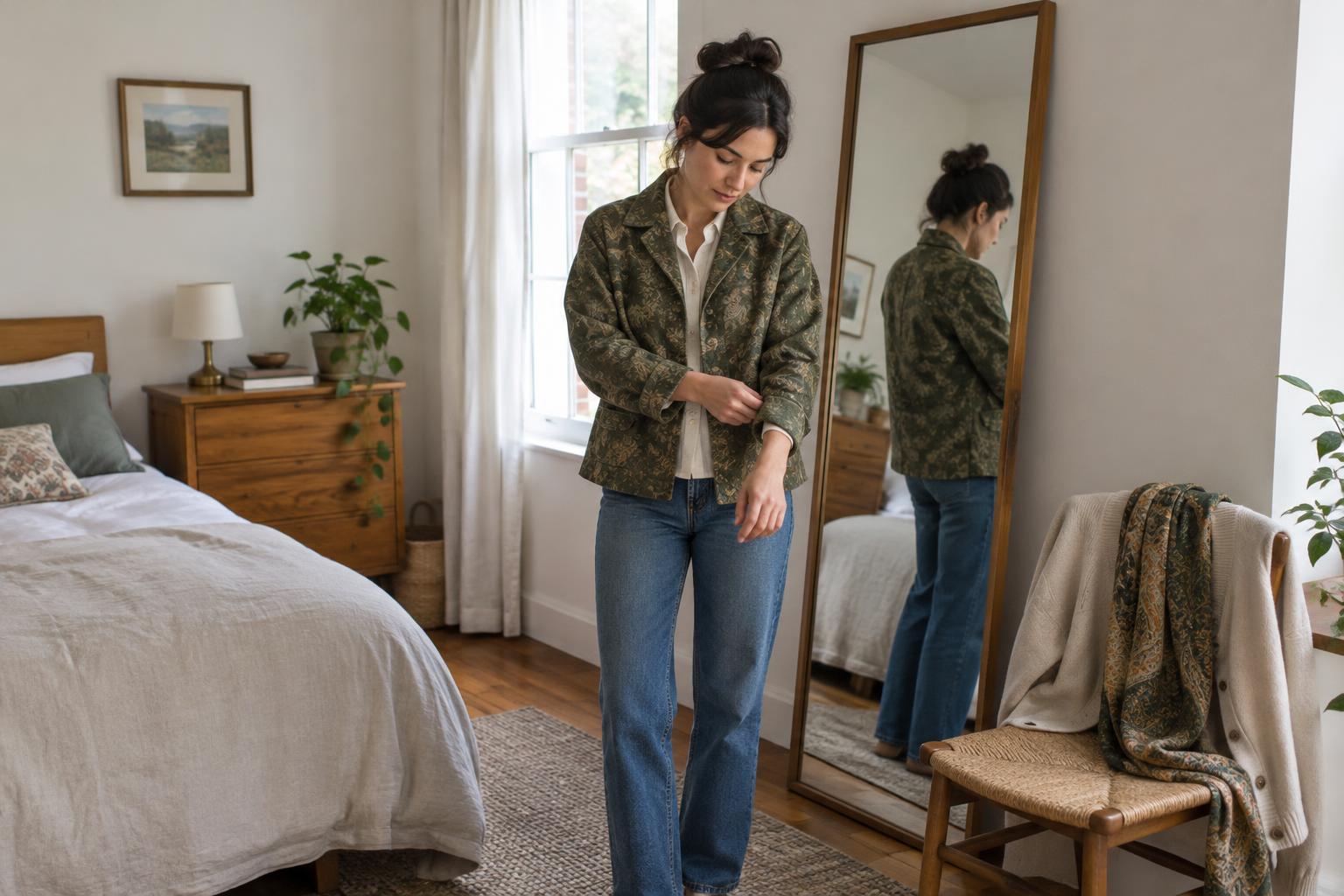
Try building two or three base outfits from your existing clothes. For example, trousers and a knit might work for a relaxed afternoon with flat shoes and an open jacket. The same base can feel more considered for dinner with a structured layer, a different shoe and a scarf or piece of jewellery. A dress can shift in the other direction with casual footwear and a soft cardigan. These changes are easier when the base outfit is comfortable enough to wear for the whole occasion.
Use a few details to adjust the level of polish
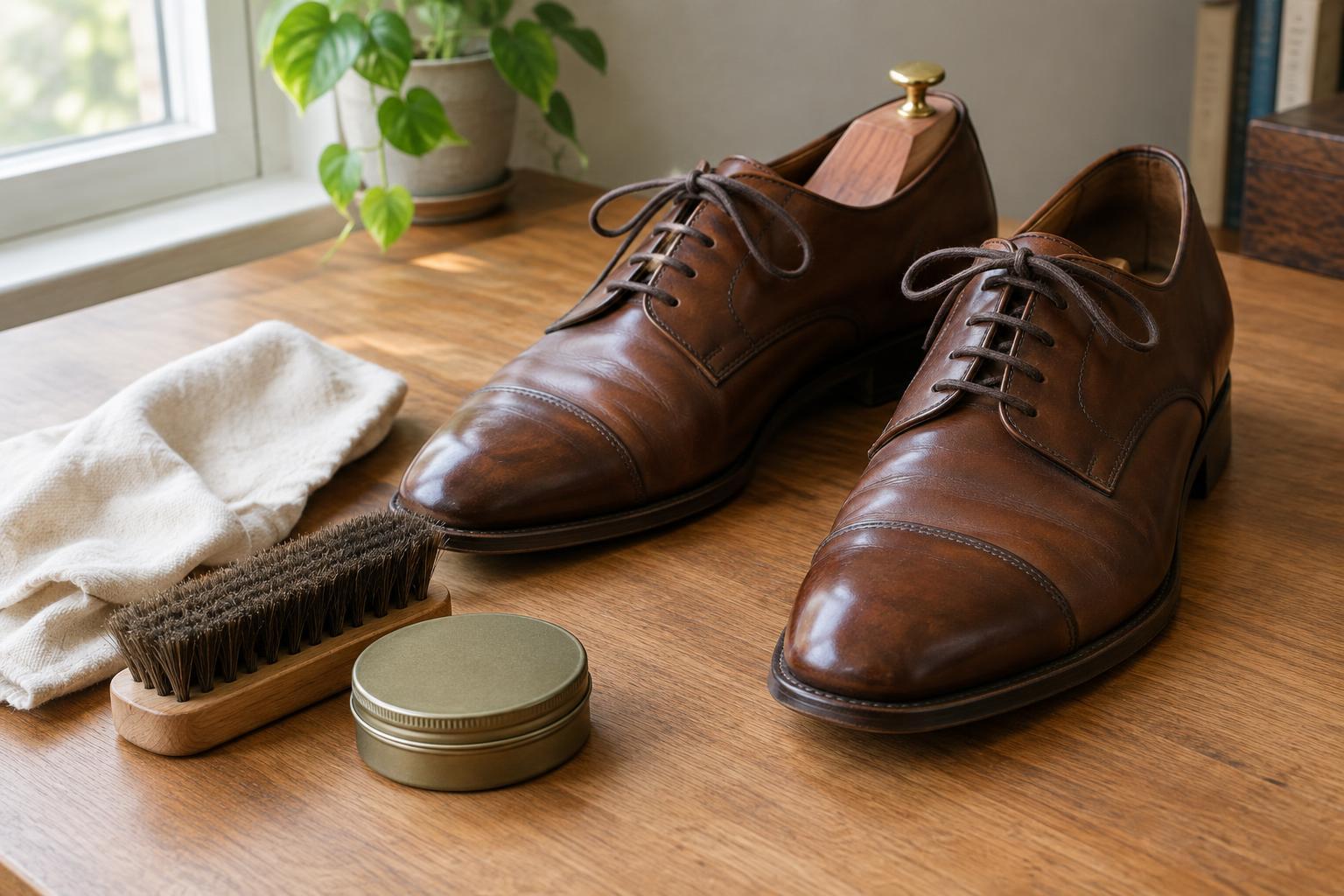
Shoes and outer layers often make the clearest difference. Clean trainers or everyday flats can keep an outfit relaxed; loafers, boots or another tidy pair may give it a sharper finish. A casual overshirt creates a different impression from a tailored jacket, even over the same top. Choose according to the activity as well as the appearance you want: shoes that are uncomfortable for the journey will not become more useful because they look right in a mirror.
Accessories can change an outfit without taking up much wardrobe space. A scarf can add colour near the face, soften a structured outfit or bring together colours that already appear in your clothes. A belt, bag or simple jewellery can provide a similarly small adjustment. You do not need all of them at once. If several details compete for attention, remove one and see whether the outfit feels more settled. Polished does not have to mean elaborate; clothes that are clean, in good condition and worn with intention can be enough.
Make your own style the connecting thread
Moving between settings does not require a different personality for each one. Notice which shapes, colours and textures you repeatedly feel comfortable wearing, then use those preferences across casual and dressier outfits. If you like loose silhouettes, a fluid shirt or wide-leg trousers may offer a familiar starting point. If you prefer close-fitting shapes or bright colour, keep those elements and adjust the surrounding pieces to suit the occasion.
It can help to choose one element that stays constant. You might favour the same colour palette, a particular type of neckline or a scarf you wear in several ways. That continuity makes an outfit feel like yours even when the setting asks you to dress differently. If an occasion is unusually formal, practical or weather-dependent, you may need a dedicated item. The goal is not to make every piece work everywhere; it is to avoid treating every social plan as a reason to start from scratch.
Plan for the transition, not just the destination
Some days involve more than one setting. If you are going straight from daytime plans to an evening gathering, choose a base that works in both and identify the smallest useful changes. You might carry a lighter accessory, swap shoes if that is practical, or change how you wear a jacket. Consider where you will put anything you remove. An easy transition is more valuable than a complicated outfit that depends on carrying several spare pieces.
Keep a short mental list of combinations that have worked before. Check that frequently worn items are clean and ready to wear, and notice whether a missing piece repeatedly makes dressing harder. This gives you a more useful guide for future purchases than an imagined wardrobe for every possible invitation. With a few dependable outfits and modest adjustments, you can dress for different social settings while still feeling comfortable and recognisably yourself.