Check the garment before it gets wet
Hand-washing can be a useful way to care for delicate clothes, but it does not make every garment washable. Start with the care label. If it says dry clean only, or the garment has structured lining, bonded details, leather trim or embellishments that could loosen, follow the label rather than assuming a gentle wash will be safe. If the label permits hand-washing, note any temperature or drying instructions as well.
Look at the fabric and construction before you begin. A loosely knitted sweater, fine lace top or heavily trimmed piece may change shape when wet because water adds weight. Check for loose seams and test an inconspicuous area for colour transfer if you are unsure whether the dye is stable. Wash dark, bright and pale items separately, especially the first time. If a garment is already misshapen, washing is unlikely to restore its original fit.
Prepare a gentle wash
Use a clean basin or sink with enough cool or lukewarm water for the garment to move without being crowded. Follow the care label’s temperature guidance; hot water can be especially risky for some delicate fibres. Add a small amount of detergent suitable for the fabric and mix it into the water before adding the garment. Using extra detergent does not make the wash gentler and may leave residue that takes more rinsing to remove.
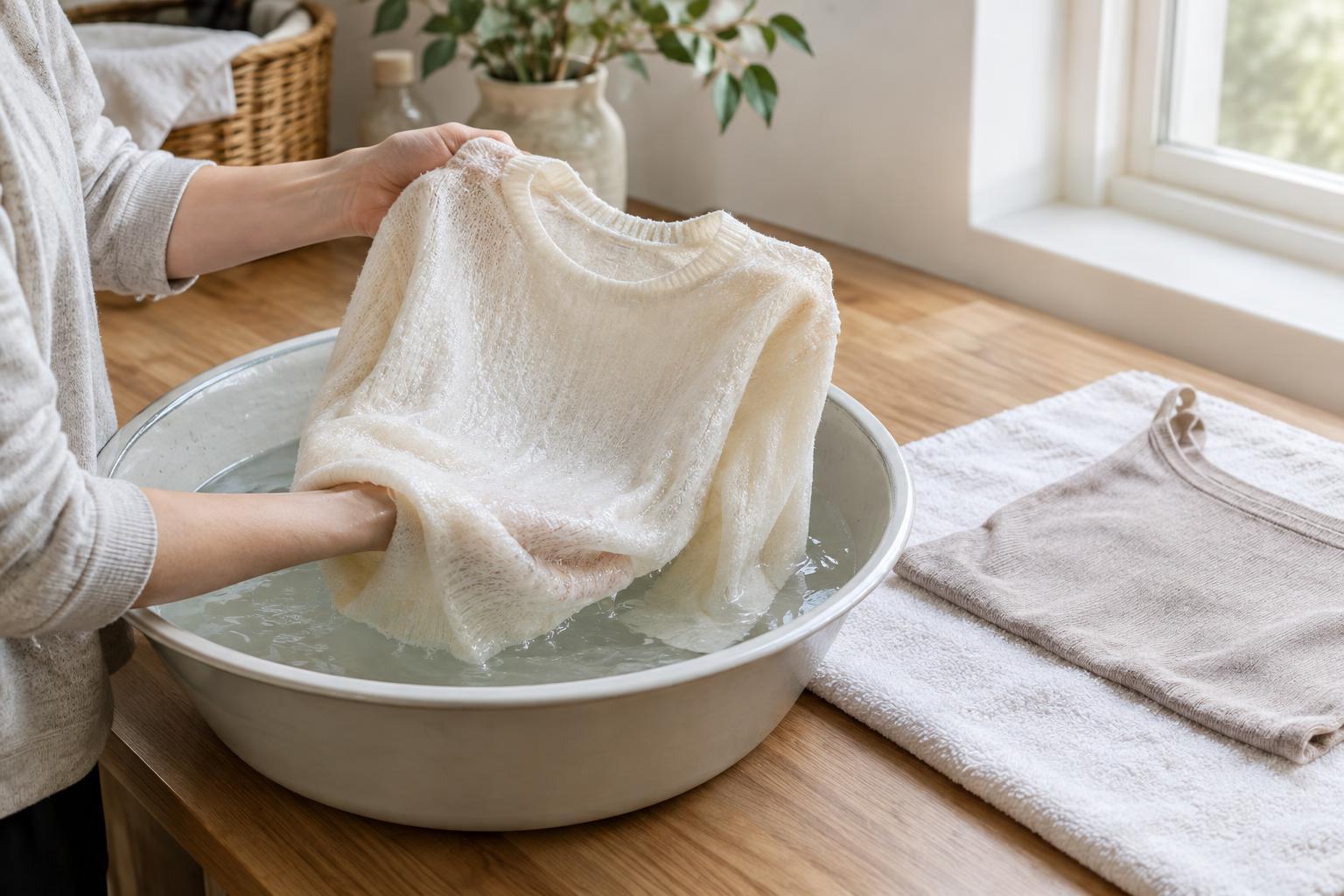
Unfasten buttons or hooks that could catch, and turn the item inside out if that helps protect its surface. Place it in the water while supporting its weight with both hands. Let the water reach the fabric, then move the garment slowly through it. Press gently to work water through soiled areas rather than scrubbing, twisting or pulling. A short soak may help with everyday dirt, but avoid leaving delicate fabrics submerged for longer than the care instructions recommend.
Rinse without tugging or wringing
Drain the wash water while keeping the garment supported in the basin. Refill with water at a similar temperature and gently press the fabric to release detergent. Repeat as needed until the rinse water is clear and the garment no longer feels slippery. An abrupt temperature change can be unhelpful for some fibres, so keep the process consistent when you can.
The most important shape-saving habit is to avoid lifting a dripping garment by one shoulder, sleeve or strap. Gather it from underneath with both hands so its wet weight is supported. Do not wring it out: twisting can pull seams, stretch knits and leave creases. Instead, press the garment against the side or bottom of the basin to remove some water. For a very fine or loose-knit item, keep it supported during every transfer.
Remove water and dry in shape
Lay a clean, dry towel on a flat surface and spread the garment over it without stretching it. Roll the towel and garment together, then press the roll gently to absorb water. Unroll it and use another towel if the item is still very wet. This step reduces drying time without putting the fabric under the strain of wringing or hanging while soaked.
For garments likely to stretch, dry them flat on a fresh towel or a suitable drying rack. Arrange shoulders, sleeves and hems into their natural shape, using the garment’s original proportions as a guide rather than pulling it larger. Turn or reposition it carefully if the surface beneath stays damp. Keep it away from direct heat and follow any label instructions about sunlight. Hanging a heavy wet knit from a hanger can lengthen the body and leave marks at the shoulders.
Make shape care part of the routine
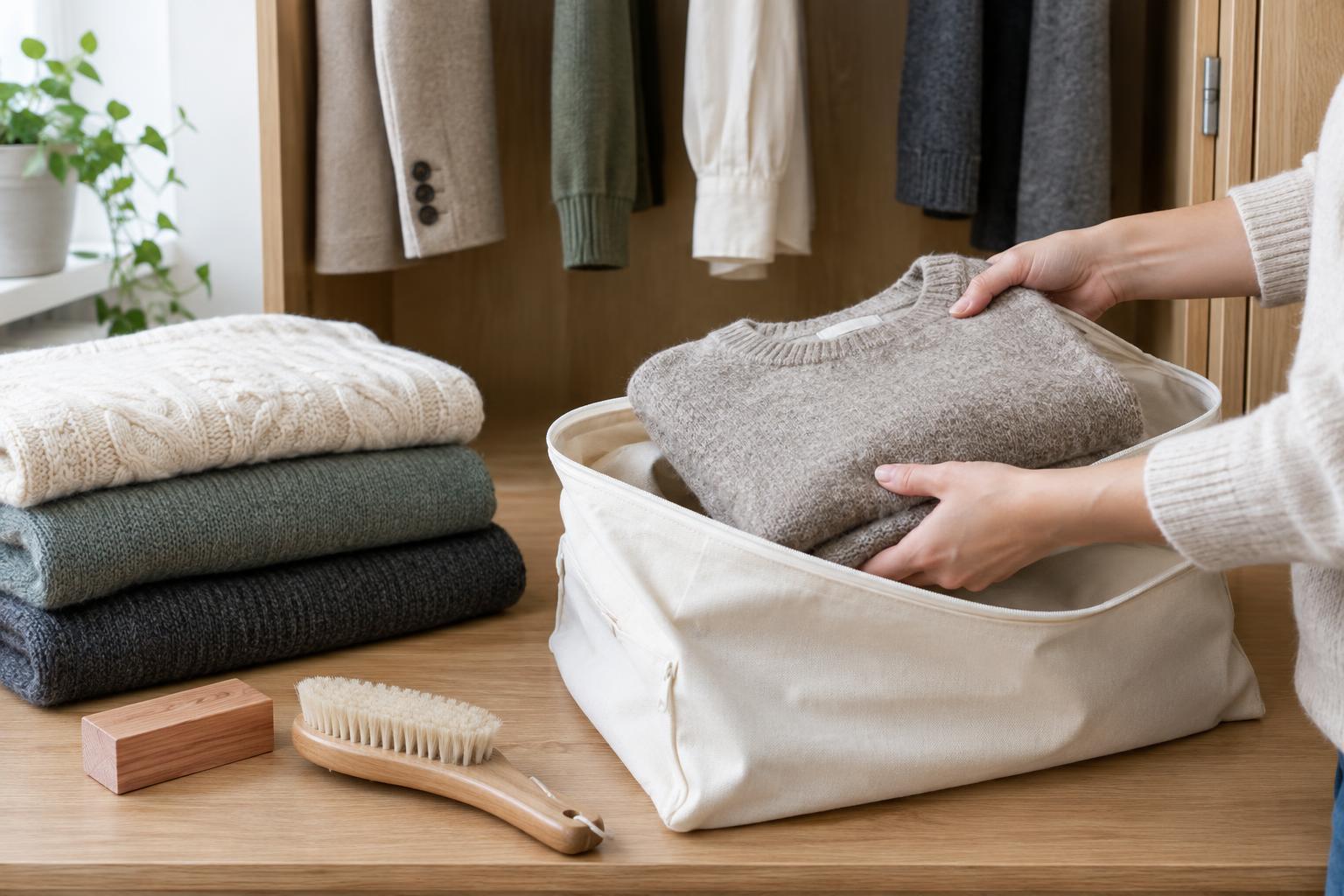
Once the garment is completely dry, fold knits and other pieces that might grow on a hanger. Store them without crushing delicate details. Before wearing or putting the item away, check whether the seams and hems sit as expected; noticing a change early can help you adjust how you wash or dry it next time.
You do not need to wash every delicate piece after every wear. When the garment is clean and the care label allows it, airing it between wears may be enough. If it needs washing, a calm process—minimal agitation, full support while wet and drying in its intended shape—does more to protect its fit than any special trick.