Start with the occasion, not a costume
A formal invitation can make it seem as though there is only one acceptable way to dress. In practice, most occasions leave room for choice. Before planning an outfit, consider what you know about the venue, the time of day and any dress code the host has provided. A wedding, awards dinner and work reception may all call for polished clothing, but they can have different expectations. If the wording is unclear, asking the host or organiser is more useful than trying to decode every possible rule.
Once you understand the boundaries, look for a version of formalwear that resembles clothes you already enjoy. If you usually prefer clean lines, a simple suit or unembellished dress may feel more natural than a dramatic silhouette. If you like expressive clothing, colour, texture or a distinctive accessory can bring that energy into an otherwise classic outfit. The aim is not to ignore the occasion; it is to find common ground between its expectations and your preferences.
Choose a silhouette you can settle into
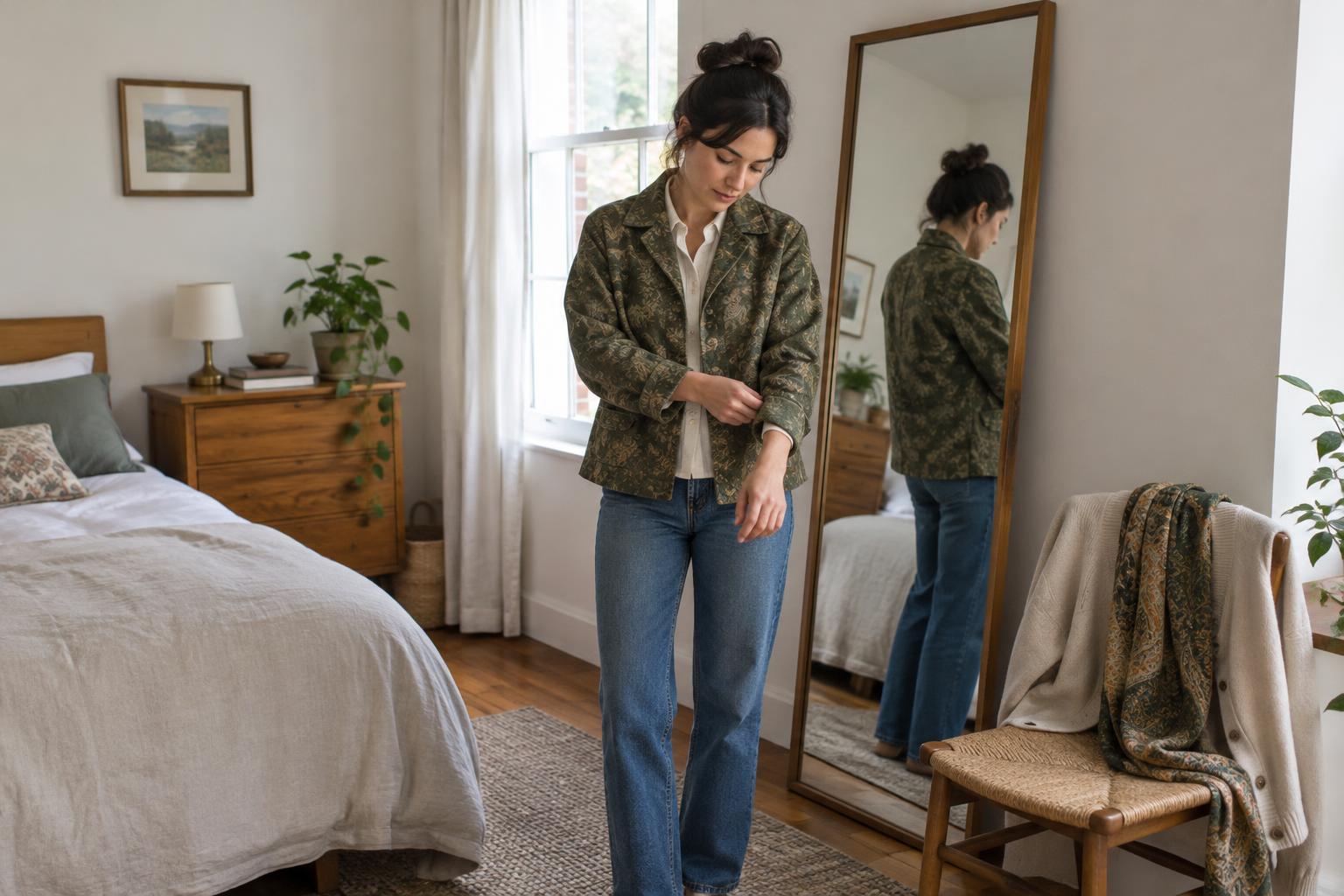
Fit has a large effect on whether formal clothing feels comfortable and convincing. A garment can look appealing on a hanger yet feel distracting if you have to keep adjusting it. Check how it sits when you stand, walk, sit and reach for something. Notice whether sleeves pull, a waistband presses or a hem changes position as you move. Small alterations may make a piece you already own feel more useful, though not every fit problem can be fixed easily.
You do not need to adopt a silhouette simply because it is associated with formal dressing. A softly structured jacket, a flowing skirt, tailored trousers or a streamlined jumpsuit can each create a polished look when appropriate to the setting. Think about the shapes you reach for on ordinary days: perhaps you like defined shoulders, room through the legs or an open neckline. Carrying one of those familiar proportions into a formal outfit can help it feel like yours.
Use colour and texture as personal details
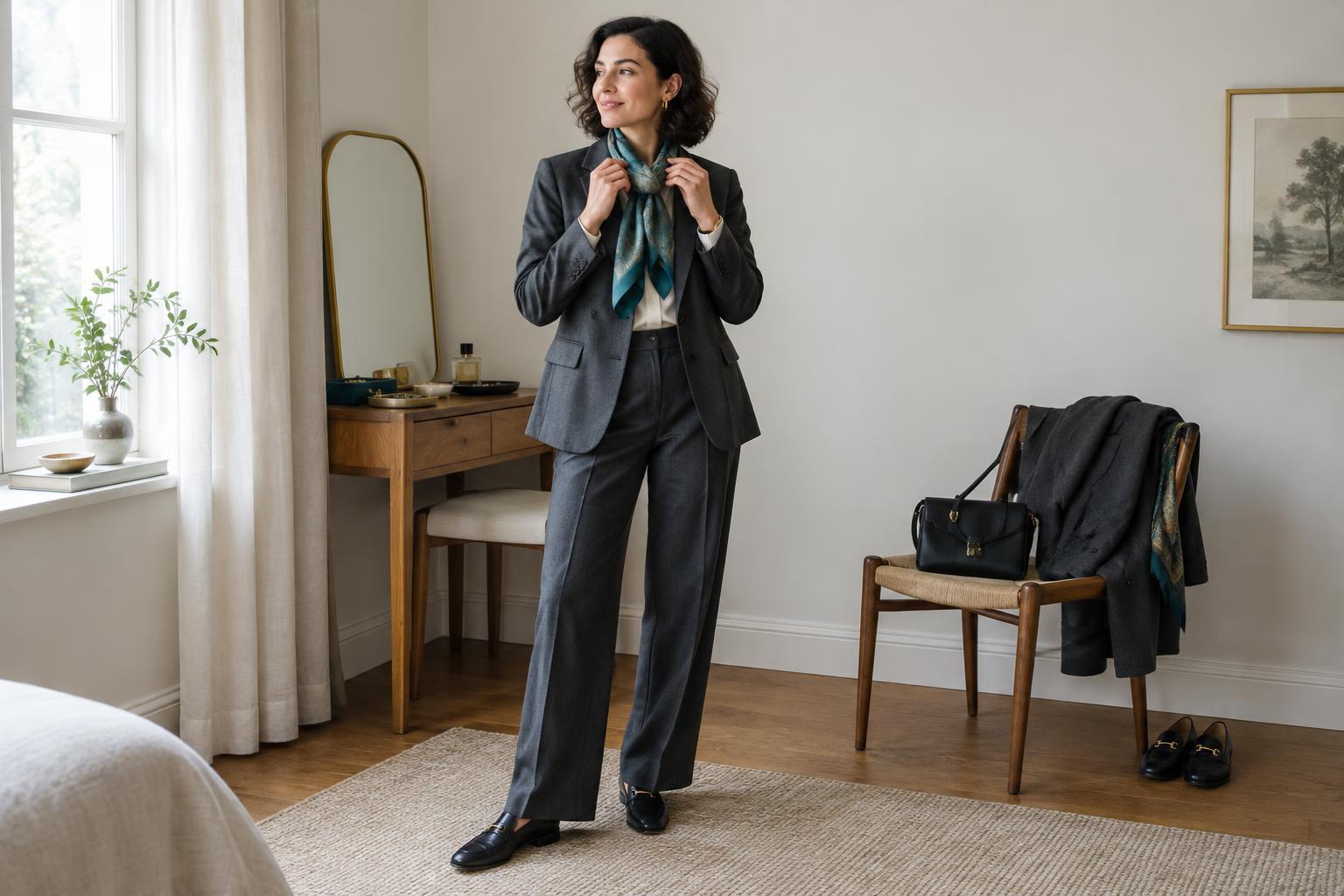
Formal outfits are often imagined in a narrow range of colours, but the right choice depends on the occasion. Where the dress code allows it, consider shades you already wear with confidence. A deep green shirt, a warm brown suit or a softly coloured scarf can feel distinctive without competing for attention. If you prefer neutrals, you can still make a considered choice: cream, charcoal and navy each create a different mood, especially when placed near your face.
Texture offers another way to add character without adding visual clutter. A matte jacket with a subtly lustrous top, a crisp shirt beside a softly woven scarf, or a smooth dress with textured shoes can make an outfit feel intentional. Keep the overall balance in mind. If one piece has a strong pattern or finish, giving it quieter companions often lets it stand out. There is no need to use every favourite colour and texture at once.
Let accessories say something specific
Accessories are especially useful when the main pieces need to follow a dress code. You might choose a scarf tied in a way you often wear, jewellery with a shape you love, an interesting belt or shoes in a familiar style. Even a small detail can connect a formal outfit to your everyday wardrobe. Choose items because you enjoy wearing them, not because a formal look seems incomplete without them.
Consider function alongside appearance. A bag should hold what you need without becoming awkward to carry, and shoes should suit the amount of standing or walking you expect. If you plan to wear a scarf or layered jewellery, try it with the full outfit beforehand: accessories can shift, catch on fabric or change how a neckline looks. Editing out one uncomfortable detail may do more for your confidence than adding another decorative one.
Do a complete rehearsal
Try on the outfit as a whole rather than judging each piece separately. Include the shoes, outerwear and anything you will carry. Look at it in the lighting available to you, then spend a little time moving around. This is a chance to notice practical issues, such as trousers brushing the floor, a jacket bunching when seated or a scarf that needs constant retieing. Addressing those details beforehand lets you pay less attention to your clothes during the event.
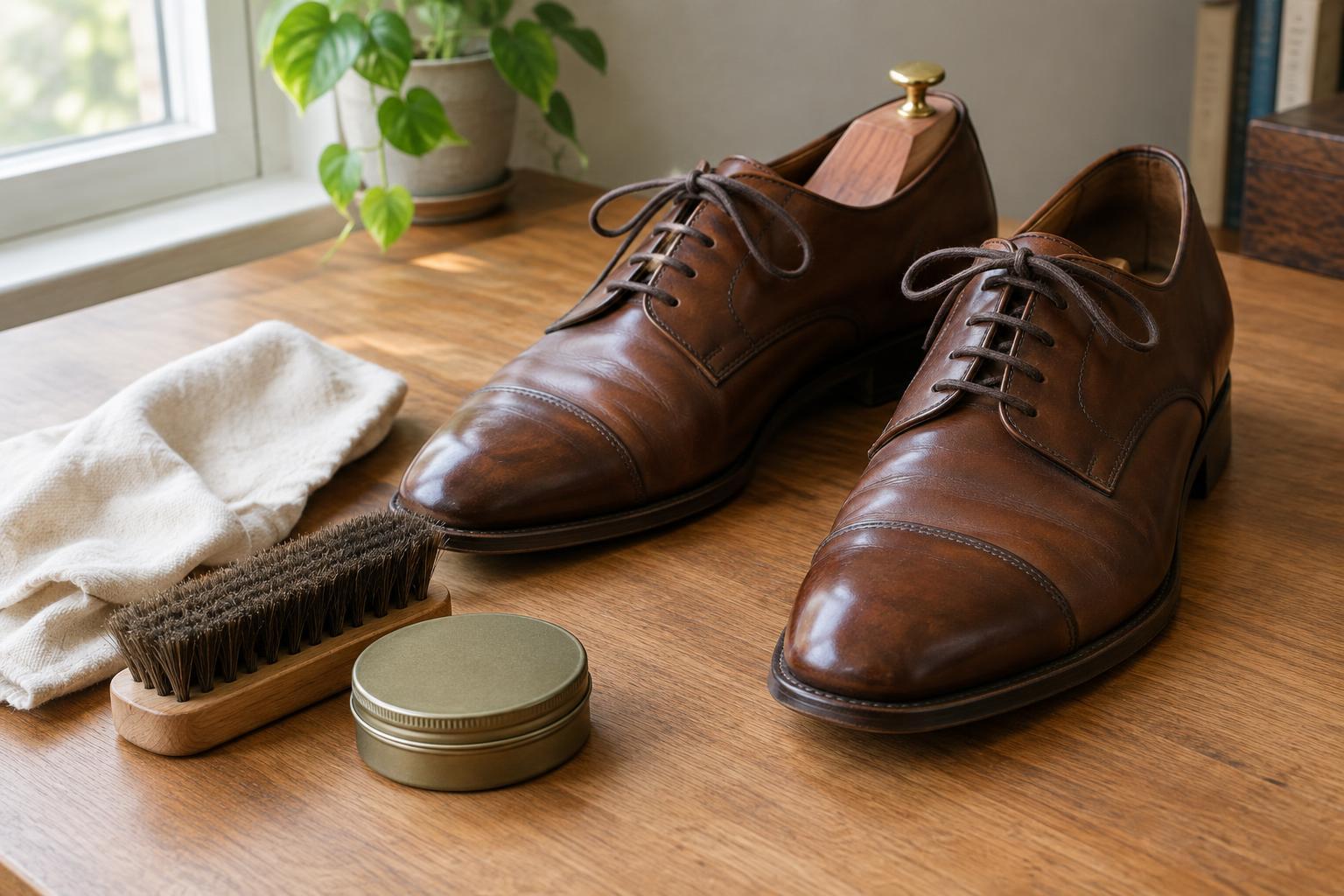
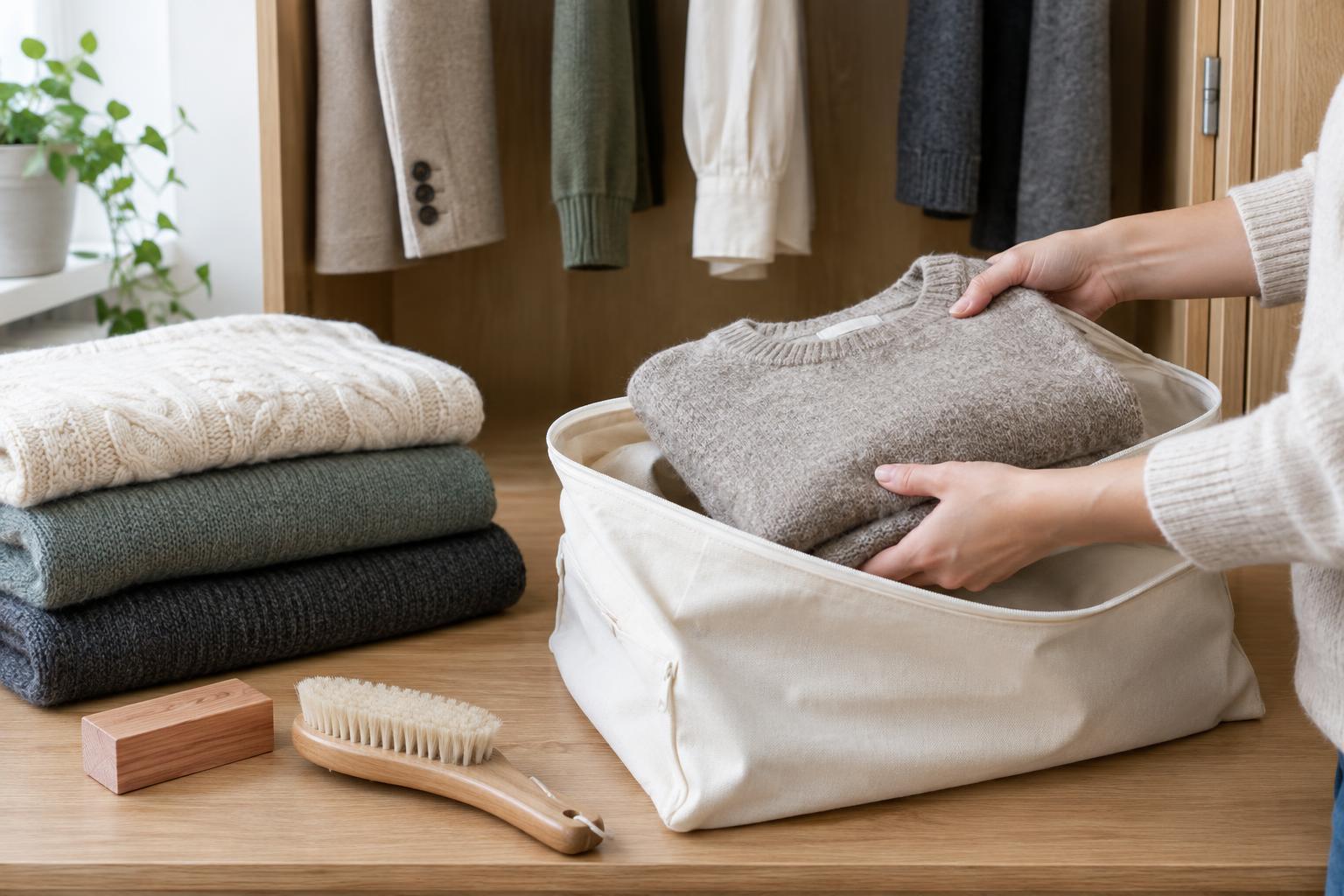
Finally, make sure everything is clean and cared for according to its label. Pressing a shirt, brushing a jacket or checking a loose button can make familiar clothes feel ready for a formal setting. Then stop refining. A successful outfit does not need to represent every side of your personality; it only needs to respect the occasion and leave you free to participate in it as yourself.