Start with a direction, not a shopping list
Wanting a different style does not mean your current wardrobe has failed. You may simply be curious about dressing a little more relaxed, polished, colourful or expressive. Before moving anything out of your closet, choose a few words that describe the direction you want to explore. Keep them specific enough to guide an outfit: “relaxed and tidy” is more useful than “better dressed.”
Then look at the clothes you already reach for. Which pieces fit comfortably, suit your routine and make you feel like yourself? These can be the foundation of your experiments. A favourite pair of trousers, for example, gives you a familiar starting point while you change the top, shoes or accessories. You can explore something new without making every part of an outfit unfamiliar at once.
See familiar pieces in different roles
Set aside a little time to look through your wardrobe by type rather than by ready-made outfits. A shirt you usually reserve for work might look more casual worn open over a T-shirt. A simple dress might feel different with flat shoes and a cardigan instead of the accessories you normally pair with it. Try combinations on if you can; two items that sound good together may feel quite different once you wear them.
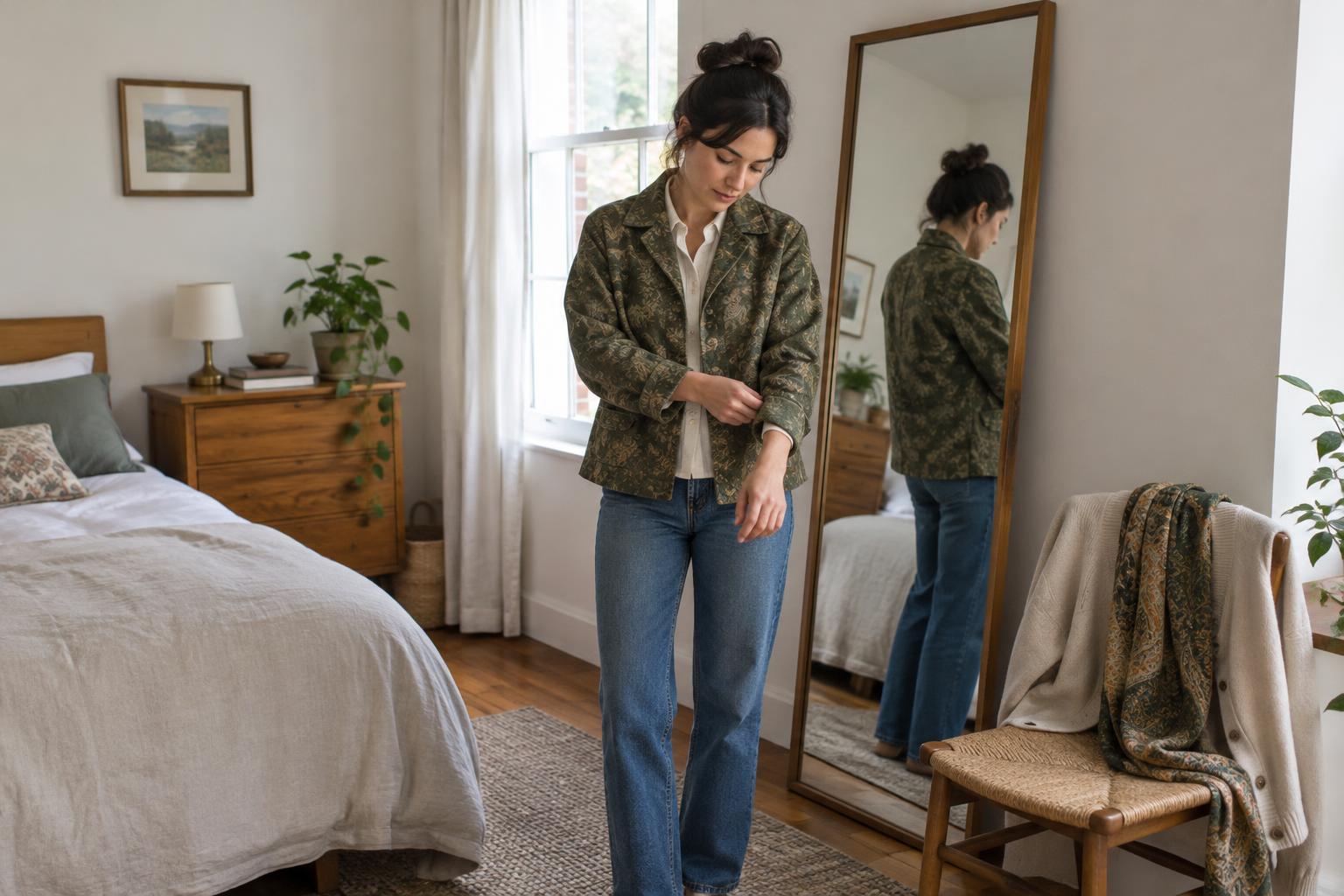
Pay attention to proportion as well as colour. Tucking a top, rolling a sleeve, leaving a shirt open or changing the layer under a jacket can alter the overall shape without adding a new garment. There is no need to force a combination because it looks interesting on the hanger. The useful question is whether you would enjoy wearing it through an ordinary day.
Change one detail at a time
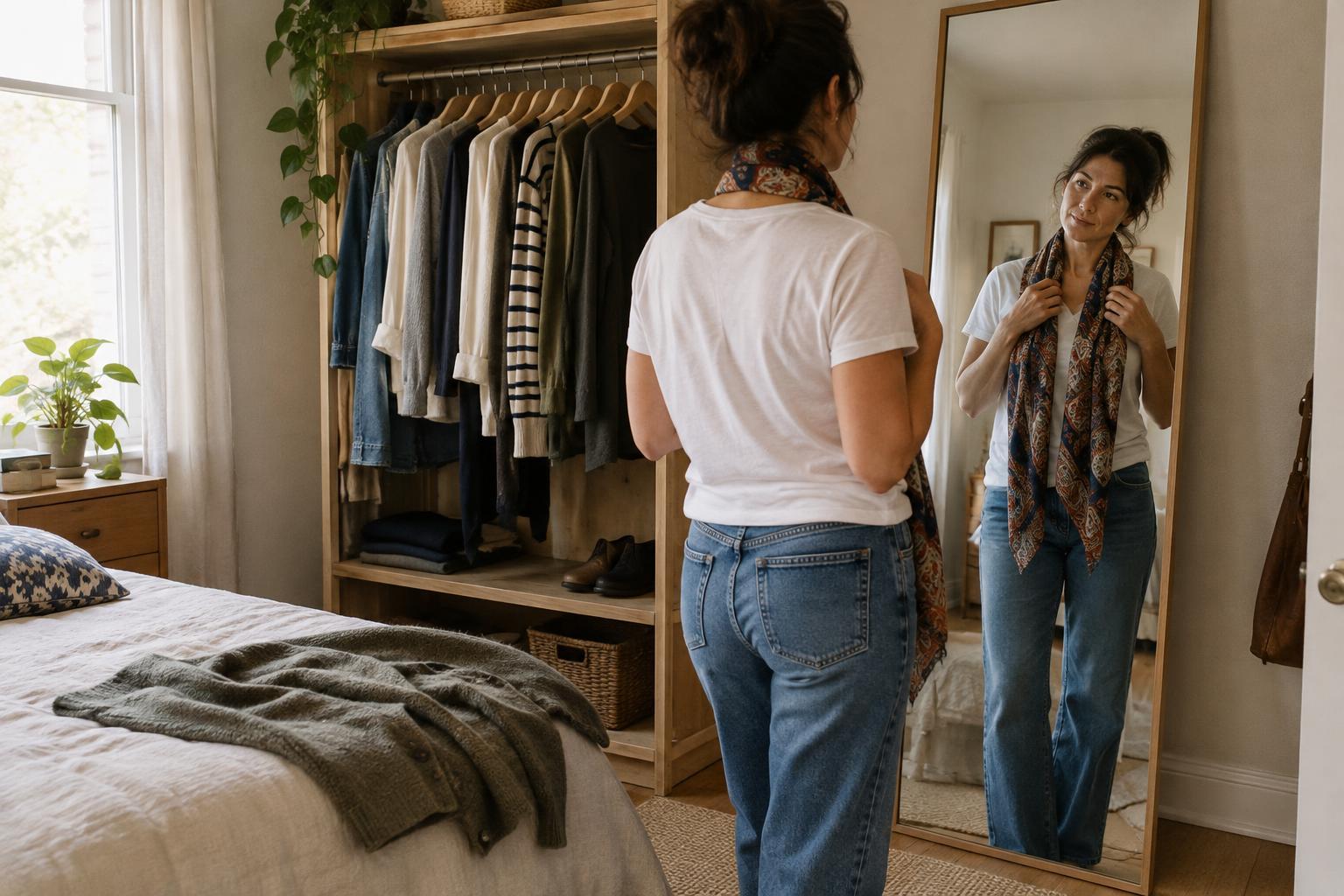
Small changes make it easier to understand what you like. Begin with an outfit you already trust, then switch one element. Replace familiar shoes with another pair you own, add a scarf, or pair your usual neutral pieces with a colour you rarely wear. If you change the fit, colours and accessories all at once, it can be hard to tell which part of the result appeals to you.
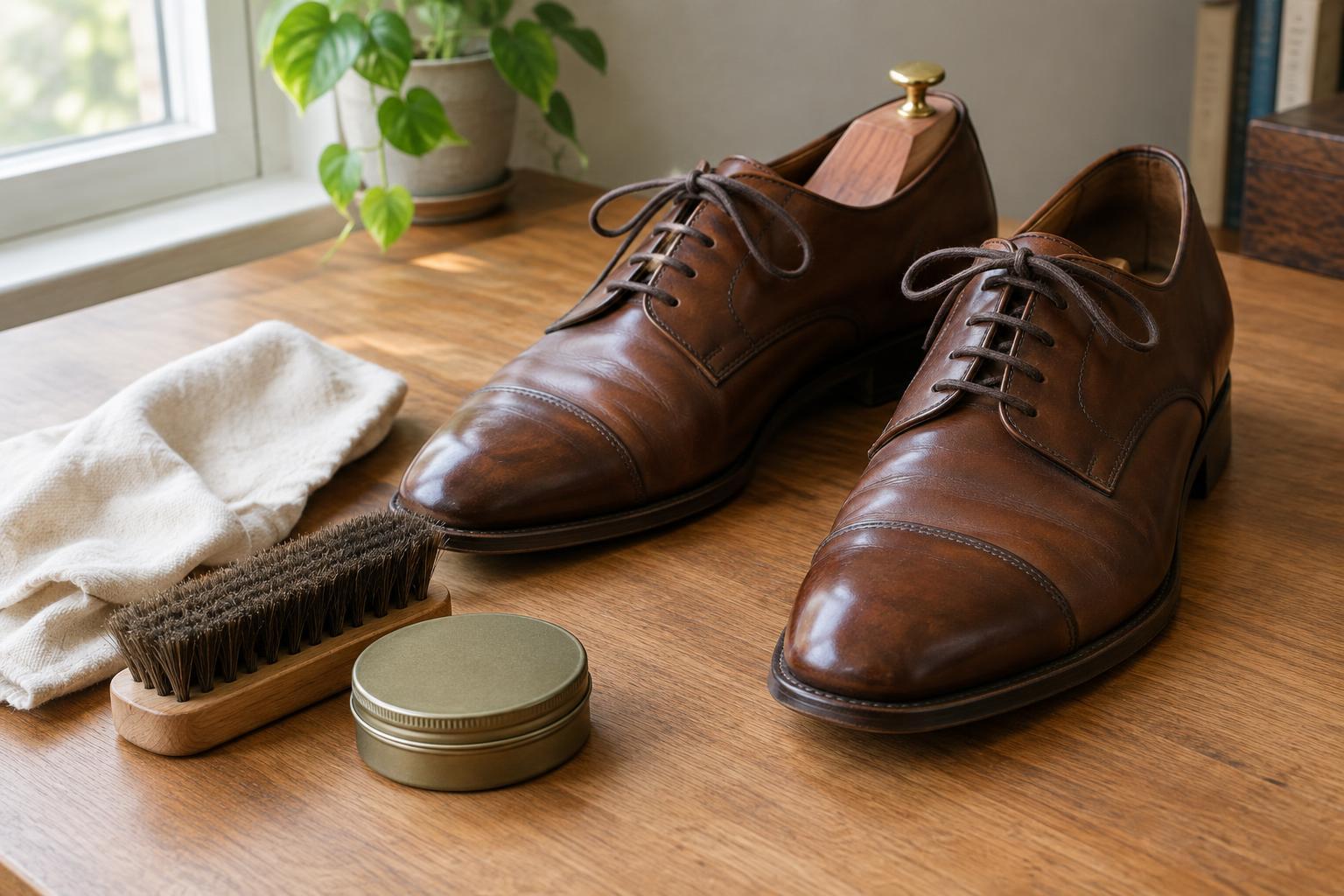
Accessories are especially useful for low-pressure experiments. A belt can give a loose outfit more definition; a scarf can bring colour near your face; different earrings or a bag can shift the mood of otherwise familiar clothes. You can also leave accessories out. If a simpler outfit feels more like the direction you want, that is just as helpful a discovery.
Test outfits in your real routine
An outfit can look appealing in the mirror and still be awkward for the day ahead. Wear your experiments on occasions that match the clothes: a regular errand, a casual meeting or an ordinary workday, if the outfit is appropriate there. Notice whether you can move comfortably, whether the layers suit your surroundings and whether you spend the day adjusting anything.
A quick note or photo can help you remember a combination you liked, but it is optional. Record practical details rather than judging whether an outfit is stylish enough: “comfortable, but needed different shoes” gives you something to work with. If a look feels unfamiliar, you do not have to decide immediately whether it is wrong. Try it again with one adjustment, or keep the part you enjoyed and leave the rest.
Keep what works and let your style evolve
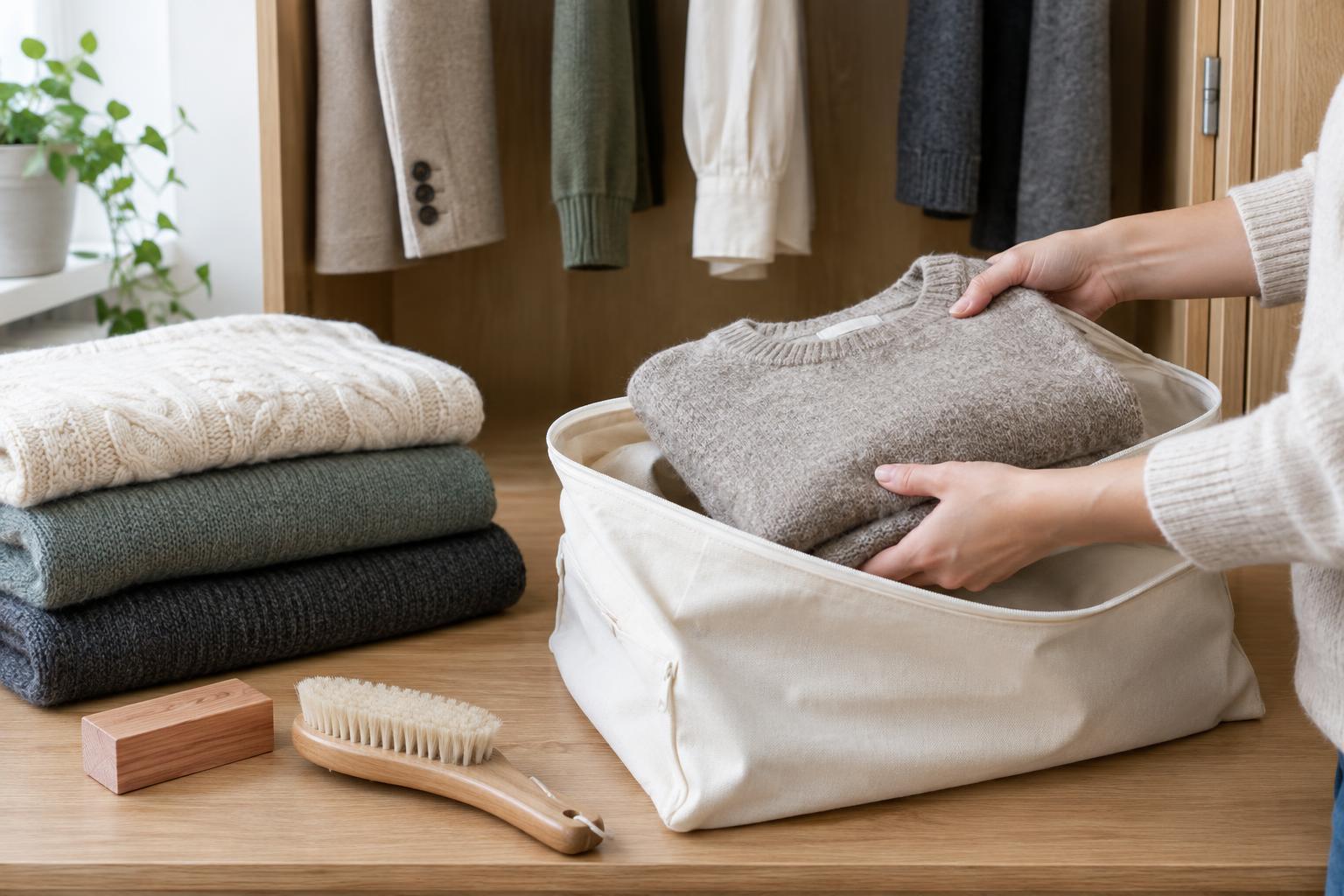
After a few experiments, look for patterns. Perhaps you prefer softer colours with structured clothing, or relaxed layers with a neat pair of shoes. Those preferences can guide future outfits more reliably than a strict label for your style. Save a few combinations that work so getting dressed remains easy, then revisit the pieces that did not fit those outfits when you feel curious again.
Experimenting does not require wearing every item you own or turning a new look into a permanent rule. Some clothes may not suit your needs right now, and some combinations will simply be less useful than others. By working with what is already in your wardrobe, you can learn what you enjoy before deciding whether anything is missing. The aim is not to become a different person; it is to give yourself more ways to dress as you are.