Start with the setting, not the word “casual”
Casual can mean different things at a backyard lunch, a restaurant dinner, or a workplace gathering. Before choosing an outfit, consider where you are going, what you will be doing, and who will be there. An afternoon spent walking calls for different shoes than an evening spent sitting down to eat. If you have an invitation, its wording and the venue may offer clues. When you are unsure, aim for clothes you can move in that still look ready for the occasion.
You do not need to dress formally to show that you made an effort. A useful middle ground is everyday clothing in good condition, with one element that feels a little more considered. That could be a neatly fitting shirt, a simple dress, a structured jacket, or shoes you would choose for going out rather than doing chores. If it is easy to remove a layer or swap footwear, you also have room to adjust once you arrive.
Build around a reliable base
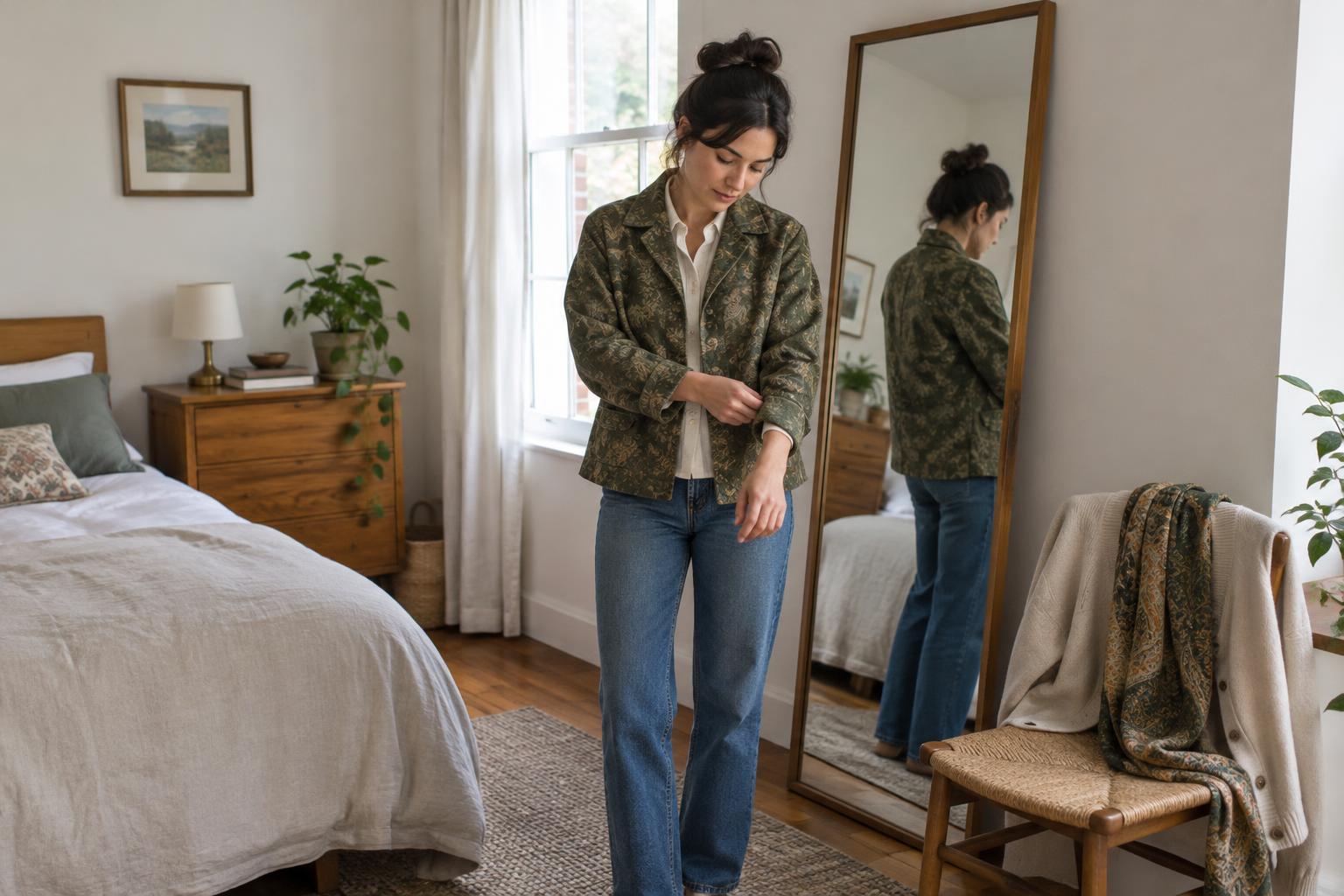
Start with a piece you already feel comfortable wearing, such as jeans, relaxed trousers, a skirt, or a casual dress. Then look at the whole outfit rather than judging each item alone. Jeans with a clean knit and loafers may feel more polished than the same jeans with an old T-shirt and worn trainers. Likewise, a casual dress can feel relaxed with flat shoes and a denim jacket, or slightly sharper with a tidy cardigan and a simple bag.
Fit matters more than whether an item is traditionally considered smart. Clothes that stay in place, allow you to sit comfortably, and do not need constant adjusting help you feel at ease. Check that hems and sleeves work for the activity, especially if you will be outdoors or moving between locations. You are not trying to hide the casual parts of your outfit; you are making sure they look chosen.
Use texture and condition to make simple clothes feel intentional
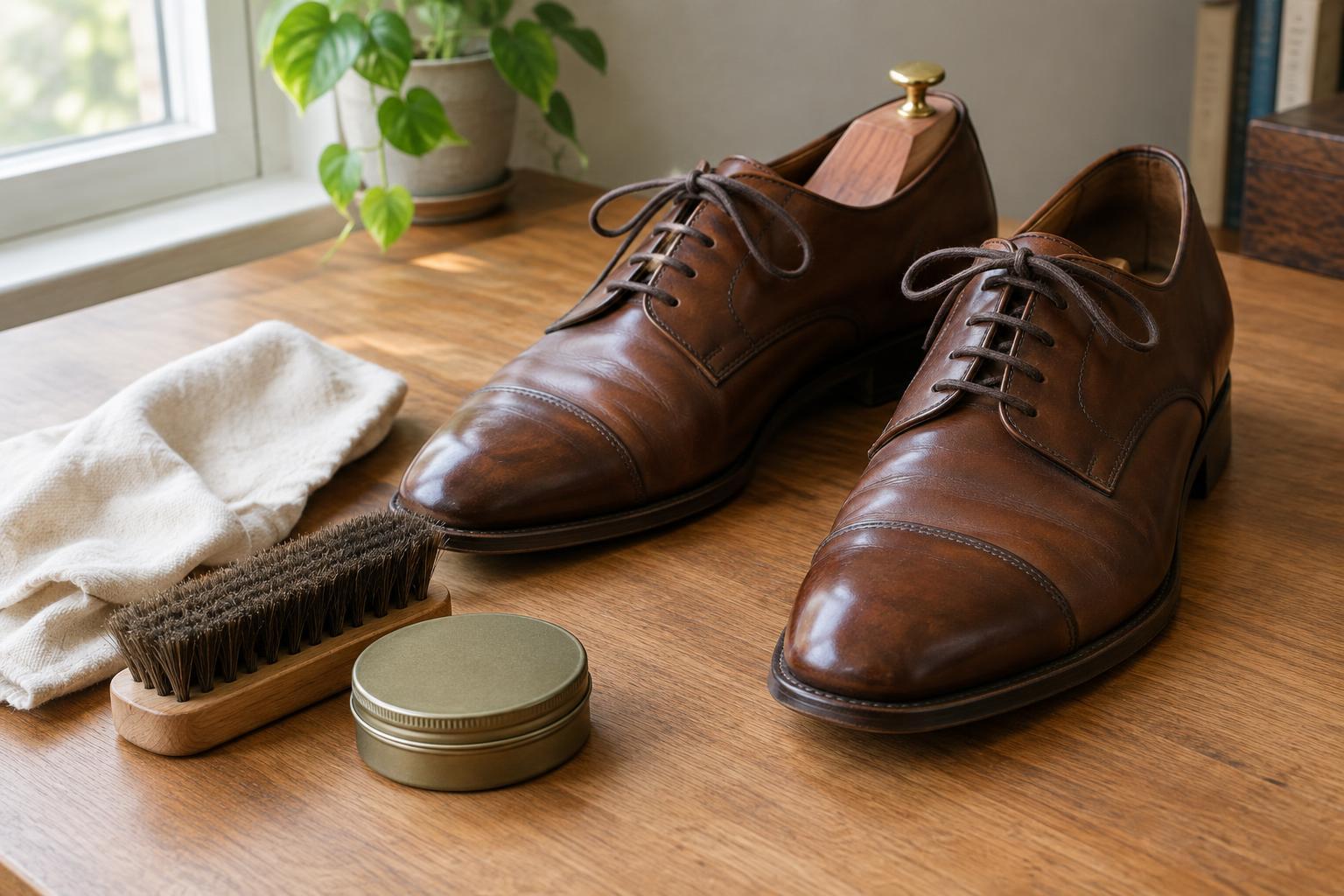
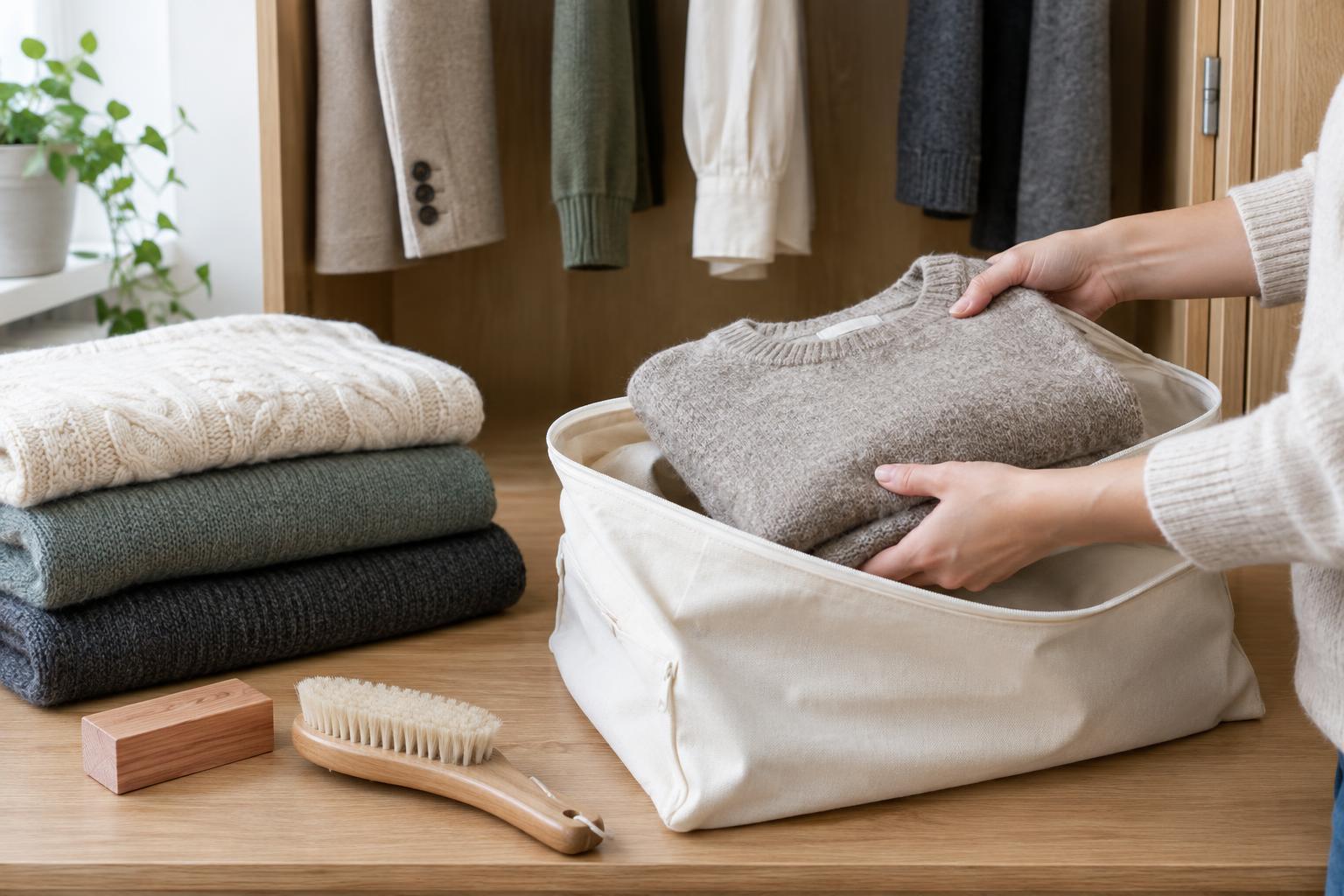
A casual outfit often has only a few pieces, so their condition is noticeable. Clean shoes, an uncreased top, and knitwear without obvious pilling can do more for an outfit than an extra accessory. Before leaving, give yourself a quick check for marks, loose threads, or a collar that will not sit comfortably. These are small practical steps, not a demand for perfection.
Texture can add interest without making an outfit feel dressed up. Try pairing smooth cotton with a soft knit, denim with a crisp shirt, or a plain top with a scarf that has a subtle pattern. If several pieces are loose or heavily textured, a simpler item can give the look some balance. There is no fixed rule: the goal is to make the combination feel like your style rather than a collection of unrelated clothes.
Choose finishing touches that suit the occasion
Shoes and outer layers often set the tone. For a casual dinner, clean trainers, boots, or flats can all work if they suit the venue and the rest of your clothes. For a gathering where you may be standing for hours, comfort deserves priority. A jacket, cardigan, or overshirt is useful when temperatures may change, and it gives you another way to adjust how relaxed the outfit feels.
Accessories can be simple. A belt, watch, scarf, earrings, or practical bag may be enough to make familiar clothes feel finished. Choose one or two details that you genuinely like and that will not get in the way of the activity. If you enjoy colour, an accessory is also an easy place to introduce it: a scarf or bag can enliven neutral clothes without requiring you to build a new outfit around it.
Make a final check, then stop second-guessing
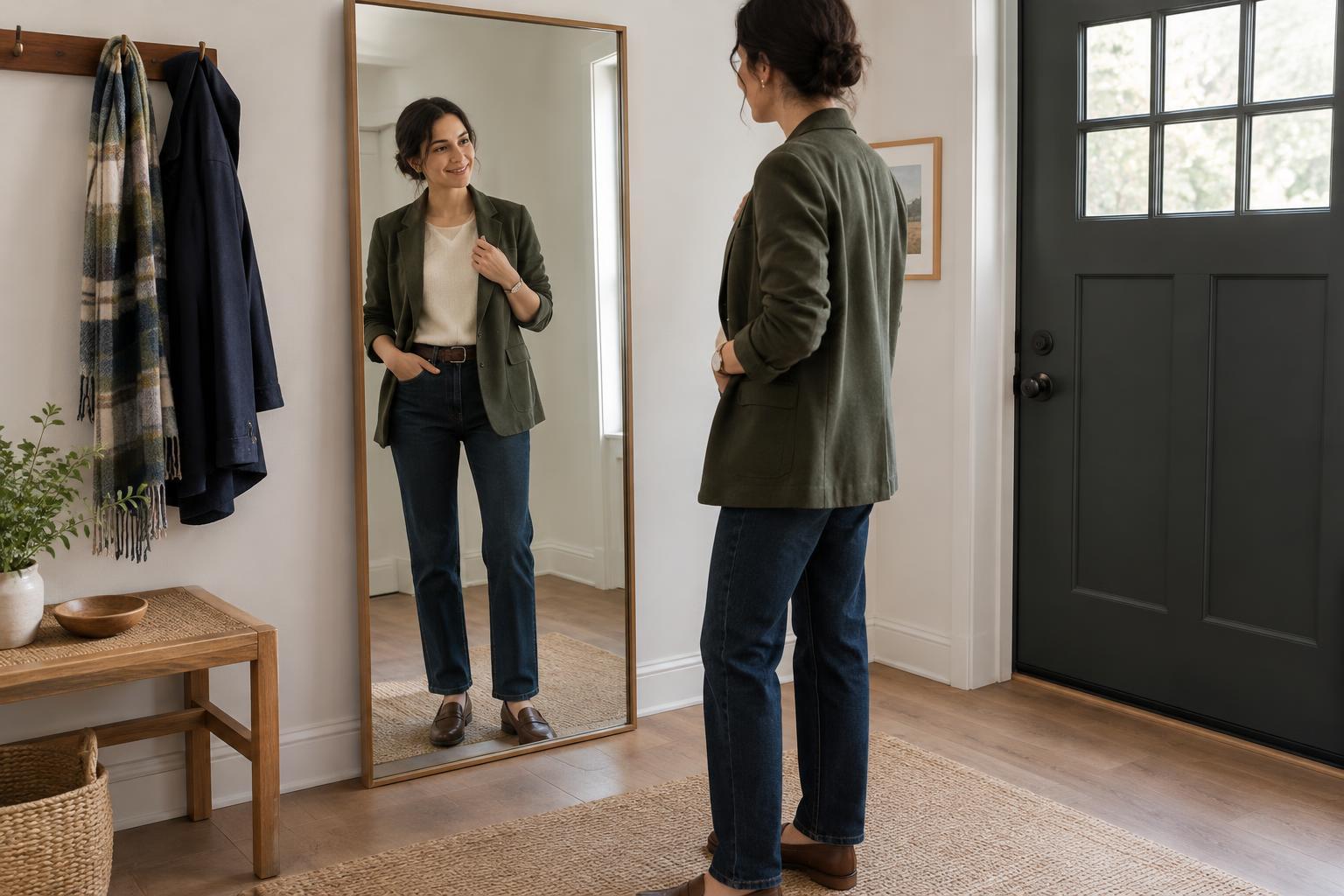
Before you go, ask three questions: Can I do what the occasion requires? Do I feel like myself? Is the outfit in good condition? If the answers are yes, you are probably ready. If something feels off, change one element rather than starting over. Swapping a worn top for a fresh one, changing shoes, or adding a layer can shift the overall impression quickly.
Feeling underdressed is sometimes less about the clothes than about uncertainty. A casual dress code gives people room to interpret it differently, so others may arrive in anything from jeans to more tailored pieces. You do not have to match them exactly. An outfit that fits the setting, lets you participate comfortably, and reflects your own preferences is a sound way to dress casually with confidence.