The difference is more than a label
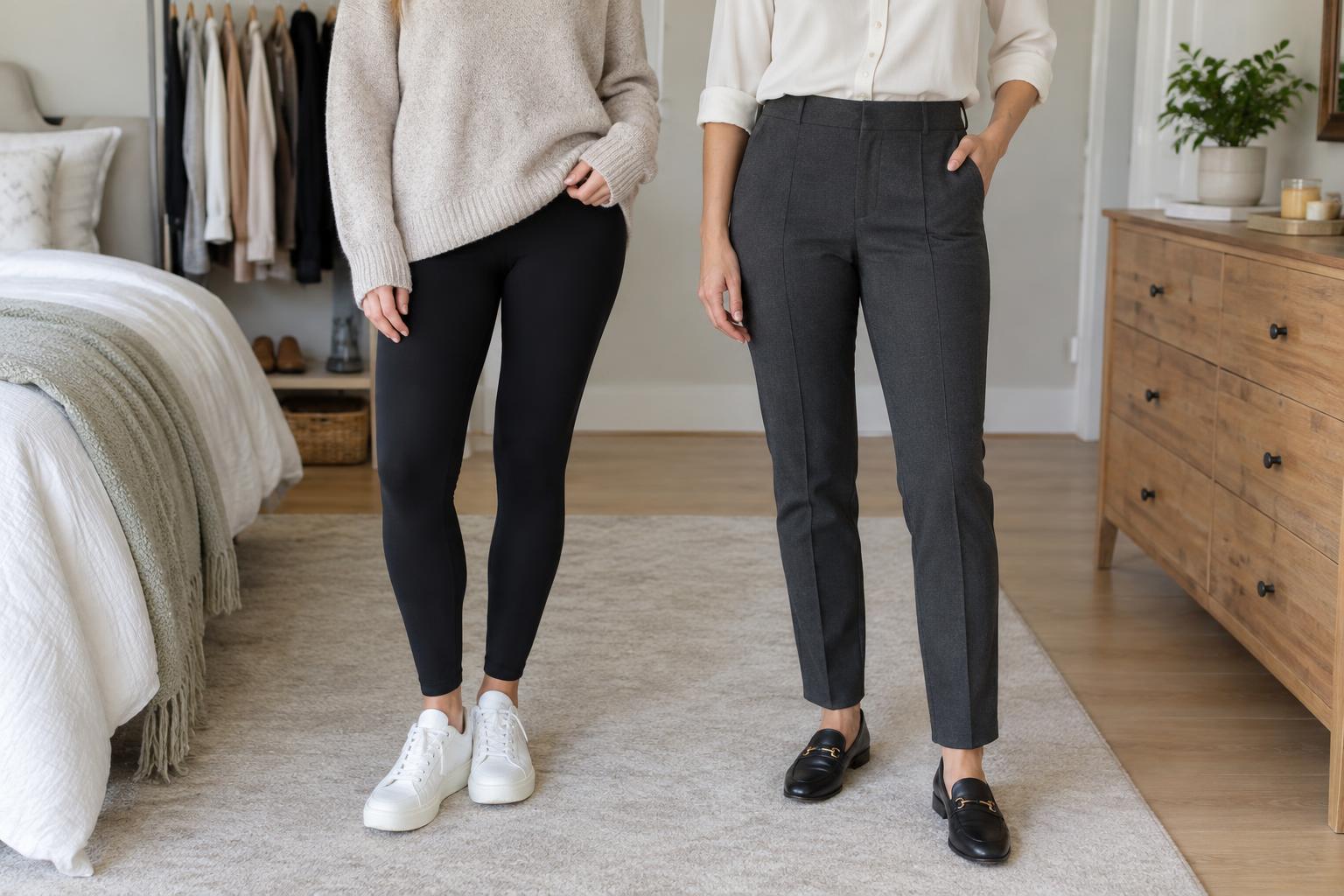
Leggings are generally close-fitting bottoms made from a stretchy knit. They are designed to follow the shape of the legs, usually with an elastic waistband and few tailored details. Depending on the fabric, they may be intended for exercise, lounging or everyday outfits. Because the term covers many weights and finishes, two pairs of leggings can behave quite differently.
Ponte pants are usually made from ponte, a dense, structured knit that stretches while holding a smoother shape. They may fit closely, but they often include details borrowed from trousers, such as a defined waistband, seams, pockets or a straight or slightly flared leg. Not every pair has all these features, and some brands use “ponte leggings” for styles that sit between the two. When shopping, judge the garment in front of you rather than relying on its name.
Fabric and fit determine how they wear
The main practical distinction is structure. A lightweight legging tends to move closely with the body and may show the outline of seams, underwear or layers underneath. A substantial ponte fabric usually has more body, which can create a cleaner line beneath a shorter top. Neither fabric is automatically opaque: colour, stretch and construction all affect how it looks when worn.
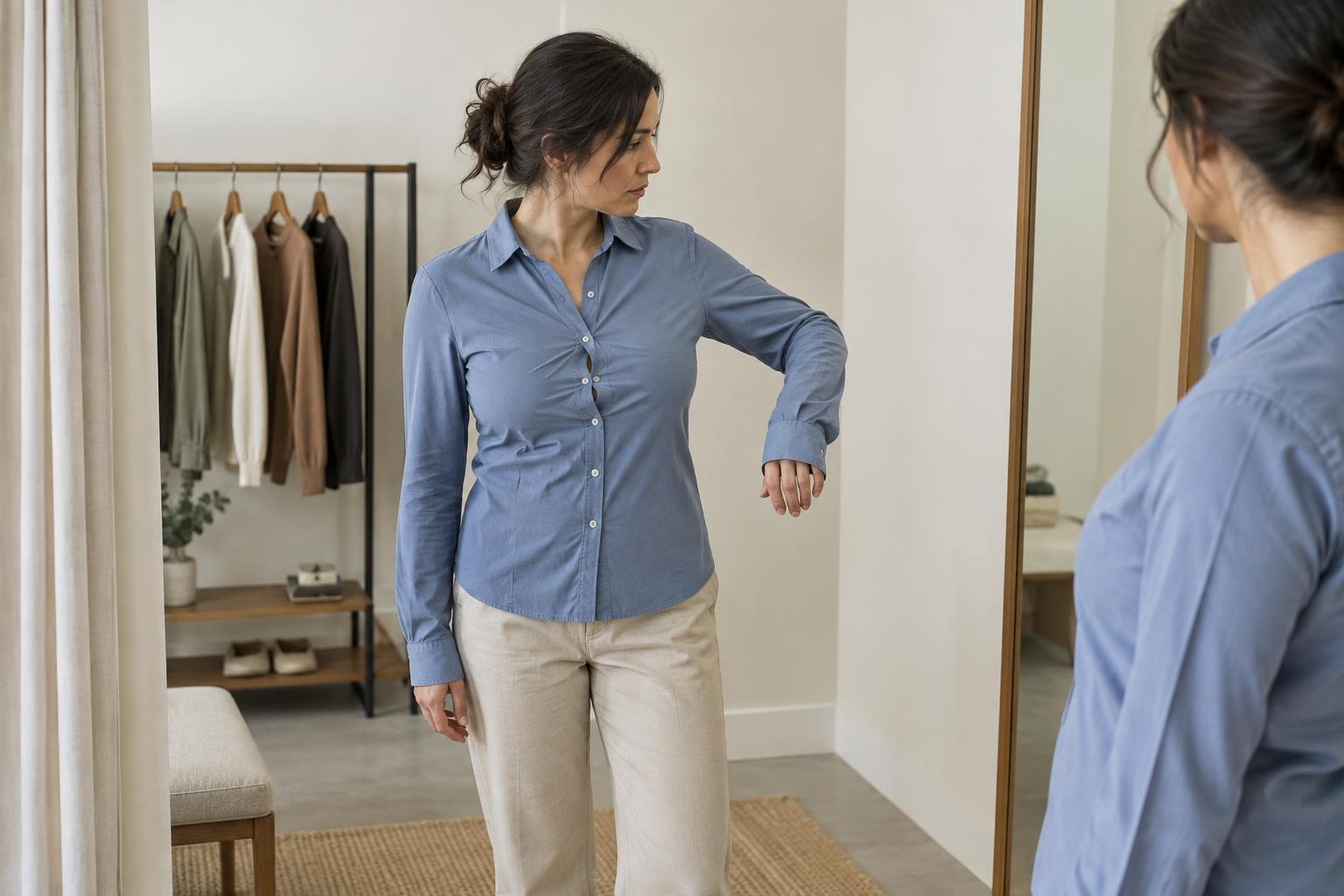
Check a pair in motion, not just while standing still. Sit, bend and walk to see whether the waistband stays comfortable, the knees keep their shape and the fabric becomes sheer when stretched. Look at the rear and side views in good light. If you want a trousers-like effect, check whether pockets lie flat and whether any decorative fly or seam looks intentional rather than bulky.
Fit preferences matter as much as fabric. Leggings often feel best when they sit securely without sliding or pinching. Ponte pants should allow you to move comfortably without pulling sharply across the hips or knees. If a style is meant to skim rather than cling, trying a different cut may work better than simply sizing up.
When leggings make sense
Leggings are useful when ease of movement and a close, simple silhouette are the priorities. They can work for relaxed days at home, travel or casual walks, depending on the fabric and your plans. A pair intended for exercise may have features such as a supportive waistband or practical pockets, but those details are worth checking rather than assuming.
For an everyday outfit, leggings pair naturally with a longer shirt, tunic, relaxed knit or oversized sweatshirt. A coat, scarf and boots can add interest without making the outfit complicated. If you prefer a shorter top, a thick, opaque pair may feel more comfortable and balanced than a thin one. The aim is not to follow a fixed rule about coverage, but to choose a combination that suits your setting and lets you move with confidence.
When ponte pants are the better choice
Ponte pants are a useful option when you want the comfort of stretch with a more dressed-up appearance. A well-fitting pair can sit comfortably between casual leggings and woven trousers. They often work with pieces you might otherwise wear with tailored pants: a button-down shirt, a fine sweater, a blazer or a neat cardigan. Loafers, ankle boots or simple flats can reinforce that more polished look.
The cut makes a difference. Slim ponte pants can look streamlined with a loose top, while straight or wide-leg versions may suit a tucked-in shirt or shorter knit. If your day involves sitting for long periods, pay attention to the waistband and how the fabric recovers after you stand. Ponte can be versatile, but a pair that bags at the knees or feels restrictive will be less useful than one that suits your routine.
Choose for your wardrobe, then care for the fabric
Before buying either style, picture three outfits you could make with clothes you already own. Consider the shoes you would wear, the length of your usual tops and the level of polish you need. If most of your outfits are relaxed and layered, leggings may earn their place. If you often want an easy alternative to trousers, ponte pants may fill the gap. You may find both useful for different days.
Read the care label, as fibre blends and finishes vary. Washing inside out with similar fabrics can help reduce surface friction, and avoiding unnecessary heat may help stretchy garments keep their shape. Let them dry as directed on the label, and store them folded if hanging stretches the waistband. A little attention to fabric and fit will do more for your wardrobe than choosing by category name alone.