Start with the parts that are hardest to change
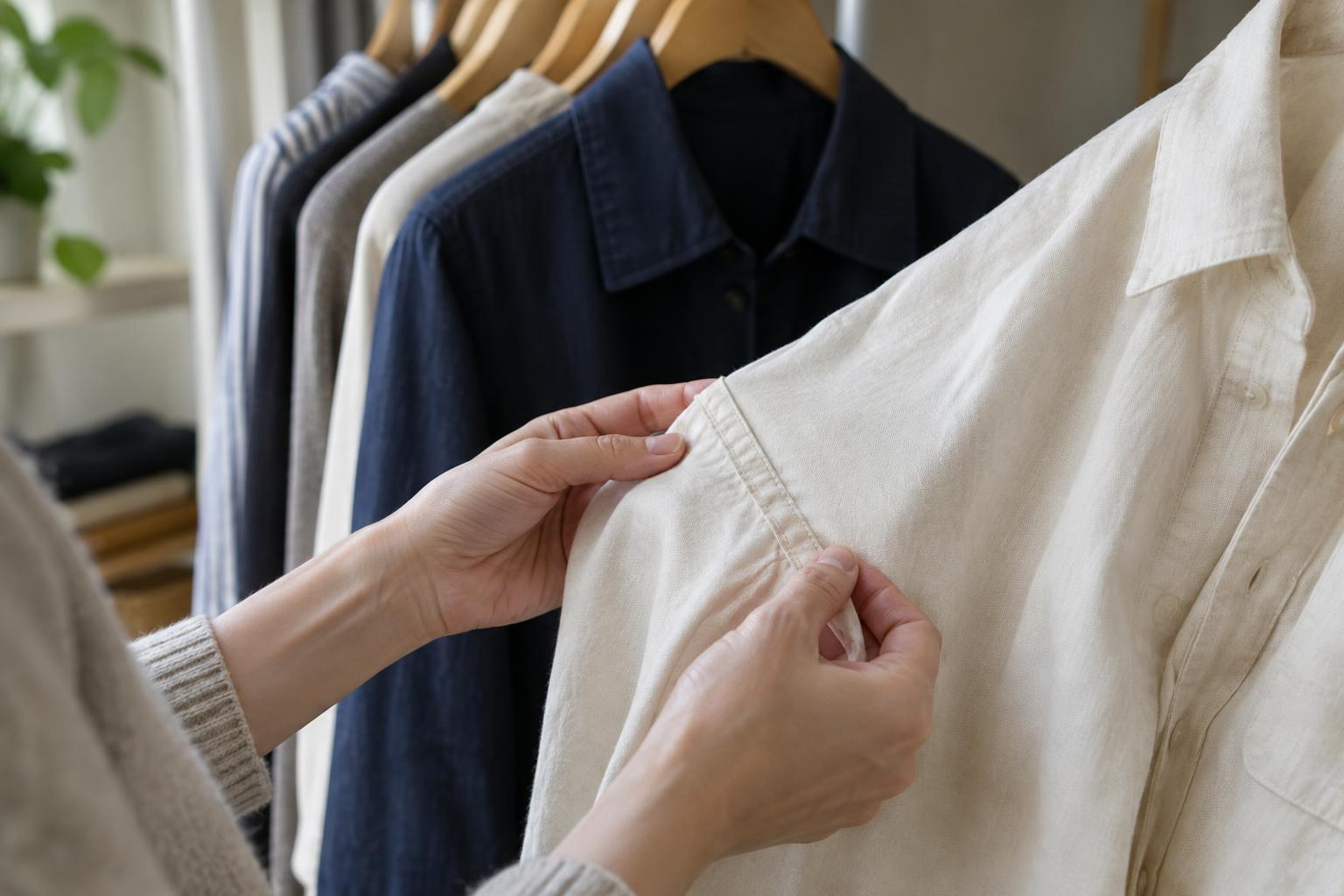
When a garment almost fits, it is tempting to assume a tailor can solve the rest. Before buying, look first at its overall structure. Shoulder width on a jacket, the placement of a shirt’s armholes, the rise of trousers and the position of a dress’s waist all affect how the garment sits on the body. Changing them can be complex or may alter the style you liked in the first place.
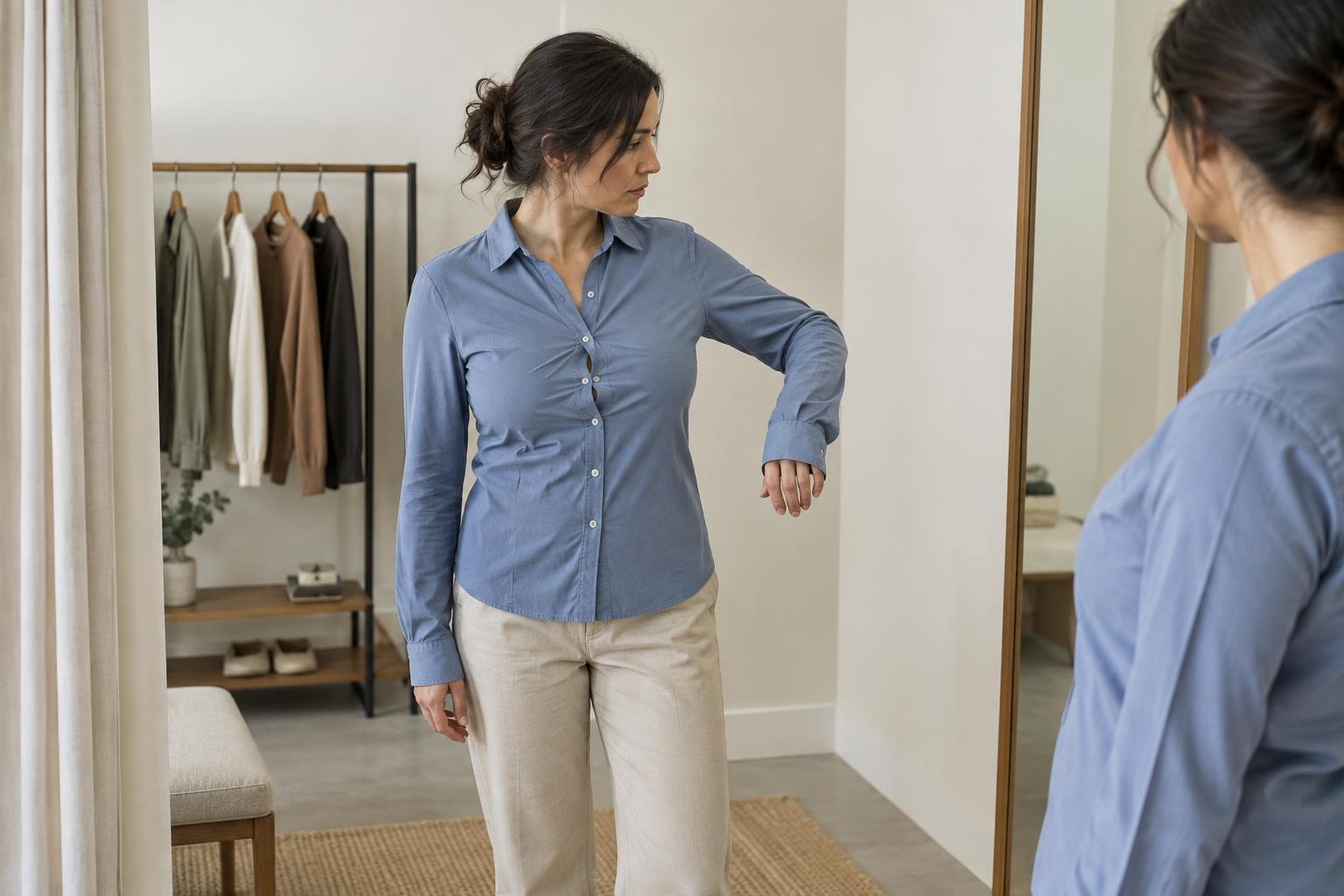
Check the fit while standing, sitting and moving. A jacket should let you move your arms comfortably; trousers should not pull sharply at the crotch when you sit. If a seam is strained, a closure gaps or the garment feels restrictive in several places, a simple alteration may not be enough. Try another size or cut rather than buying an uncomfortable piece on the strength of its fabric or colour.
Hems are often the simplest place to begin
Shortening trousers, skirts or dresses is a common alteration worth considering when everything else fits well. The right length depends on the garment’s shape, the shoes you expect to wear and your preferred look. Try on trousers with the type of footwear you would use most often, and consider whether a skirt or dress still has the proportions you want at the proposed new length.
Look closely at the existing hem before assuming it can move freely. A decorative border, unusual seam, pleats or a shaped edge can complicate shortening. Lengthening depends on whether there is enough fabric inside the current hem, and even then an old fold line may remain visible. If length is the only concern, ask about the available fabric and the likely finished appearance before committing.
Taking in a good fit is different from creating one
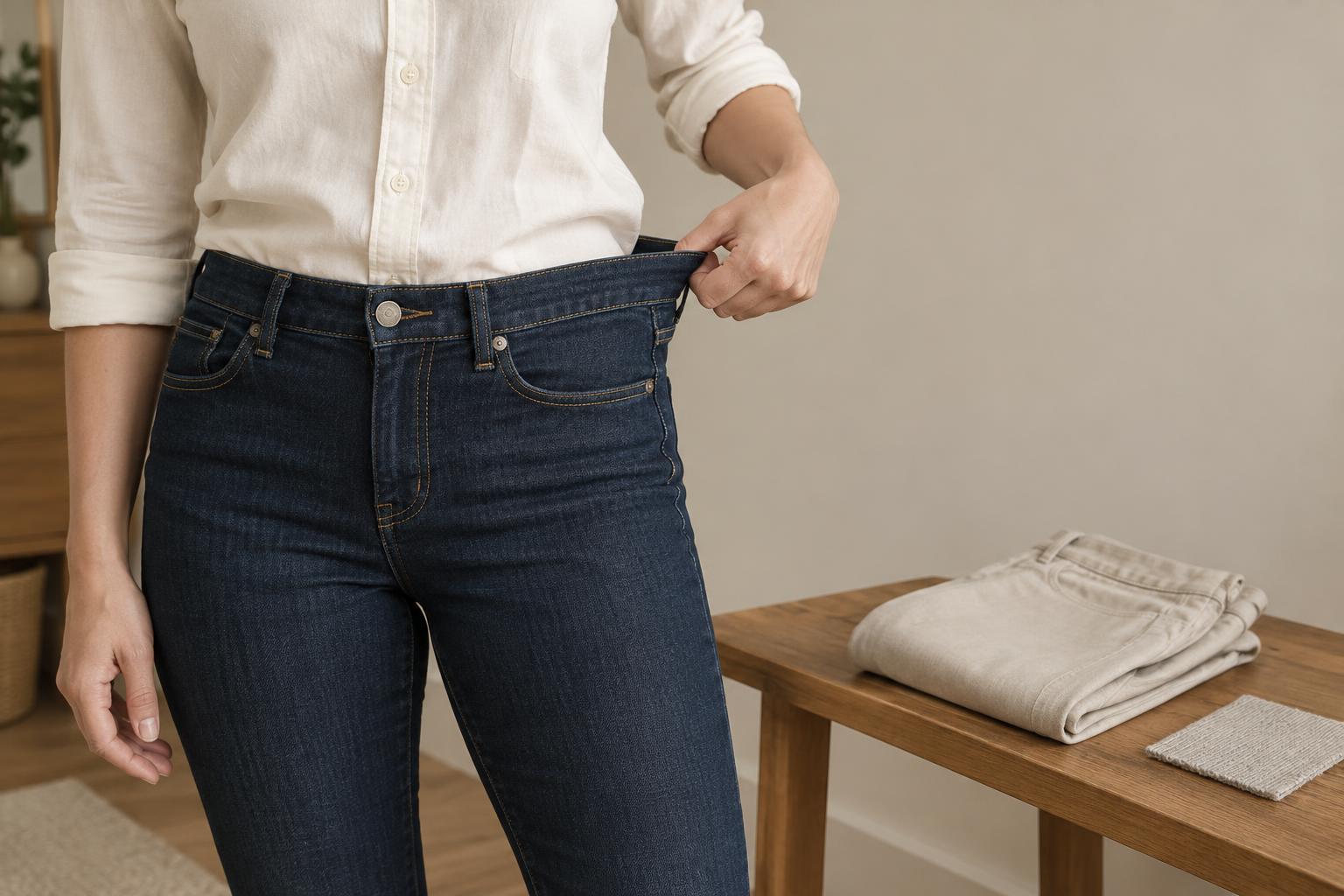
A slightly loose waist on trousers or a skirt may be worth adjusting, particularly if the hips and seat already fit comfortably. A shirt or dress that has a little extra room through the body may also be a candidate for a closer fit. The aim is to refine the garment without losing the ease needed to sit, reach and move. Pinning excess fabric in a fitting can help you see whether the result feels natural.
Letting a garment out is less predictable. It depends on the seam allowance, the fabric and where the extra room is needed. Visible stitch marks or a faded seam line can affect the result. This matters with second-hand pieces or sale items that cannot be exchanged: do not assume a garment can be made larger simply because it has seams. If it pulls across the chest, hips or thighs, a different size may be the better starting point.
Sleeves and details can change the calculation
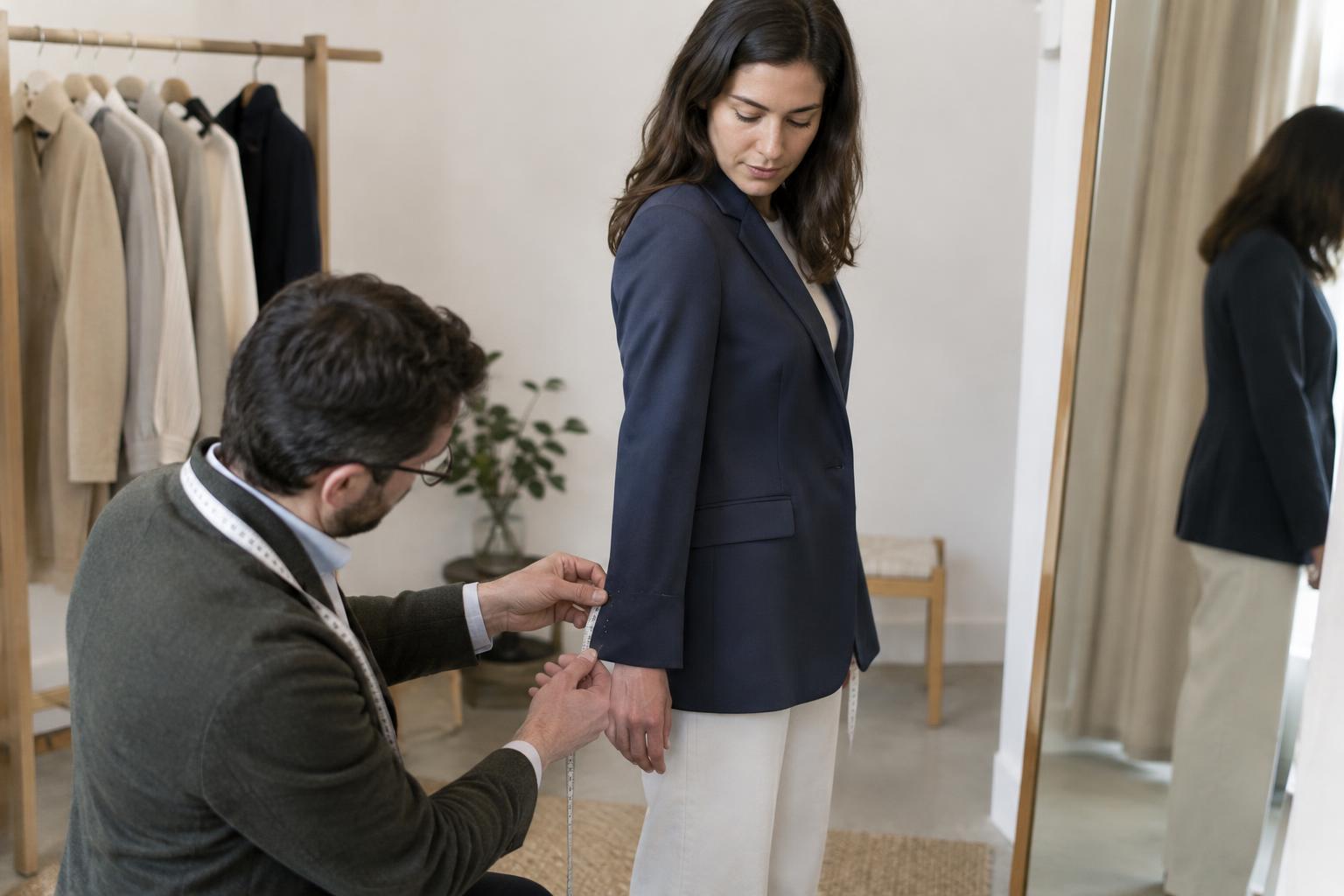
Sleeves that are a little too long may be possible to shorten, but cuffs, buttons, linings and vents can add work. On a lined jacket, even a modest adjustment can involve more than moving one seam. Similarly, replacing buttons or repairing a loose seam is a different proposition from moving pockets, reshaping a lapel or changing the cut of a coat.
Notice details you would miss in a quick fitting-room try-on. Where do pockets land? Does a pattern line up in a way you like? Will shortening a sleeve leave its cuff looking balanced? An alteration can improve fit, but it cannot always preserve every design feature. If the feature you love would need to be removed or substantially changed, pause before buying.
Judge the finished garment, not just the ticket price
Before purchasing, add the likely alteration cost to the price of the garment. The amount will vary with the work, fabric and local service, so ask a tailor for an assessment if the decision depends on the alteration. A low-priced item that needs several changes may be less useful than a better-fitting item you can wear immediately. For an expensive or non-returnable purchase, getting that assessment first can reduce guesswork.
Finally, picture the finished piece in your everyday wardrobe. Does it work with shoes and layers you already own? Will you wear it often enough to justify the extra step? One clear, manageable alteration on a garment you genuinely like can be worthwhile. A long list of hoped-for fixes is a sign to keep looking. The best purchase is not necessarily the one that fits perfectly at first try, but it should have a realistic path to becoming comfortable and useful.