Start with movement, not the mirror
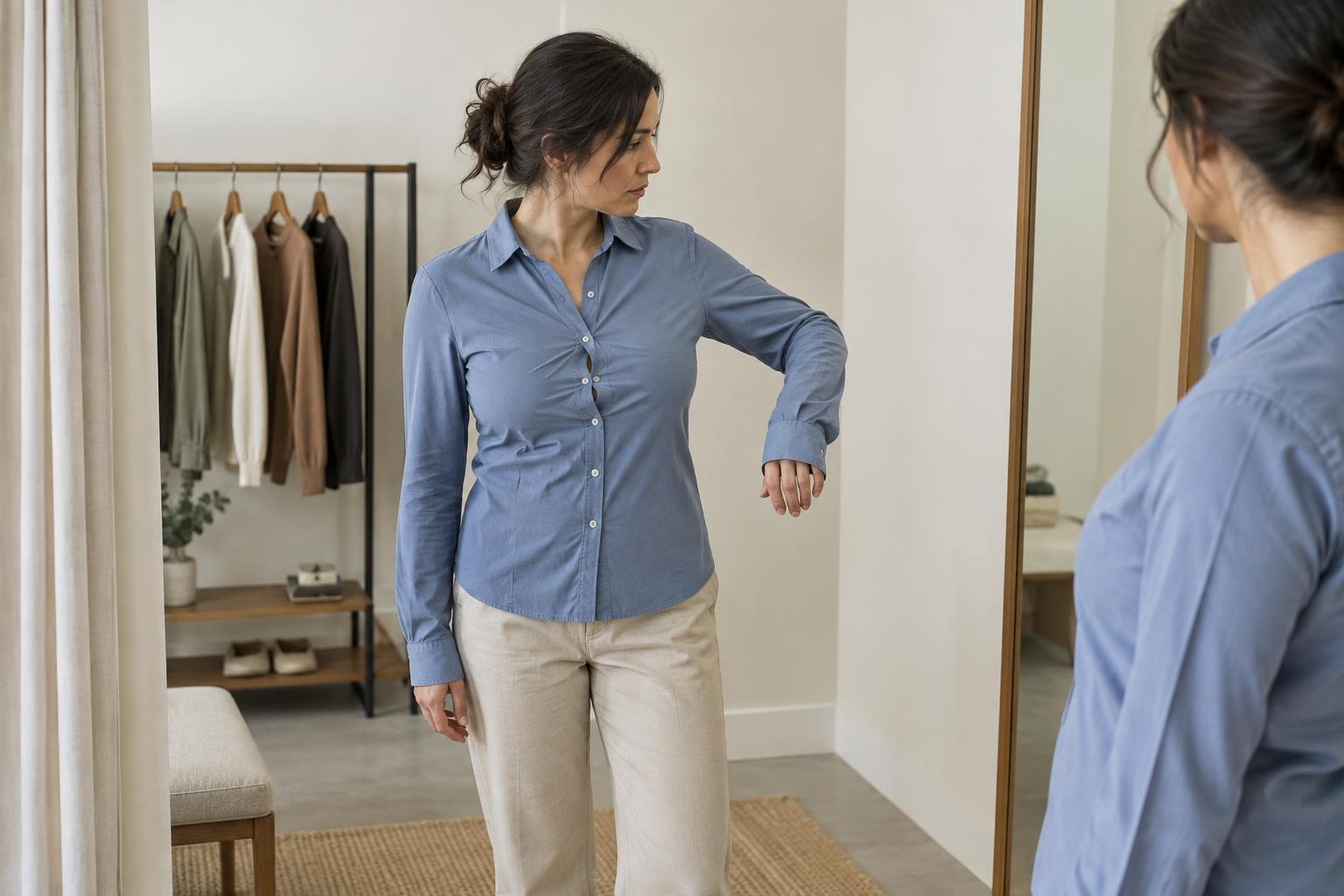
Standing still in front of a mirror shows only one version of how a garment fits. Before judging it, sit down, walk a few steps, raise your arms and bend as you normally would. A piece that looks neat while you stand but rides up, twists or restricts movement may be frustrating to wear. You do not need every garment to feel loose, but you should be able to move in ways that suit its purpose.
Notice whether you keep adjusting the item. If you repeatedly tug down a top, pull up a waistband or straighten a skirt, ask what is causing it. An unfamiliar cut may take a moment to get used to; constant readjustment is more useful evidence than a flattering first glance. Try the garment with the shoes or layers you expect to wear, if you have them with you.
Look for pulling and excess fabric
Tightness often shows up before it feels uncomfortable. Check for horizontal strain lines, buttons that gape, pockets that pull open and seams that seem under tension. On a shirt, look across the chest and upper back while moving your arms. On trousers or a skirt, check the hips and seat as well as the waist. Fabric can crease naturally, so focus on areas where the garment looks strained or movement feels limited.
Too much fabric can be just as distracting. A shoulder seam that falls far beyond your shoulder, a sleeve that bunches heavily or a waistband that needs a belt simply to stay in place may indicate that the fit is off. Some oversized designs are meant to drape; the distinction is whether the extra volume looks intentional and stays comfortable as you move.
Check where the garment sits on your body
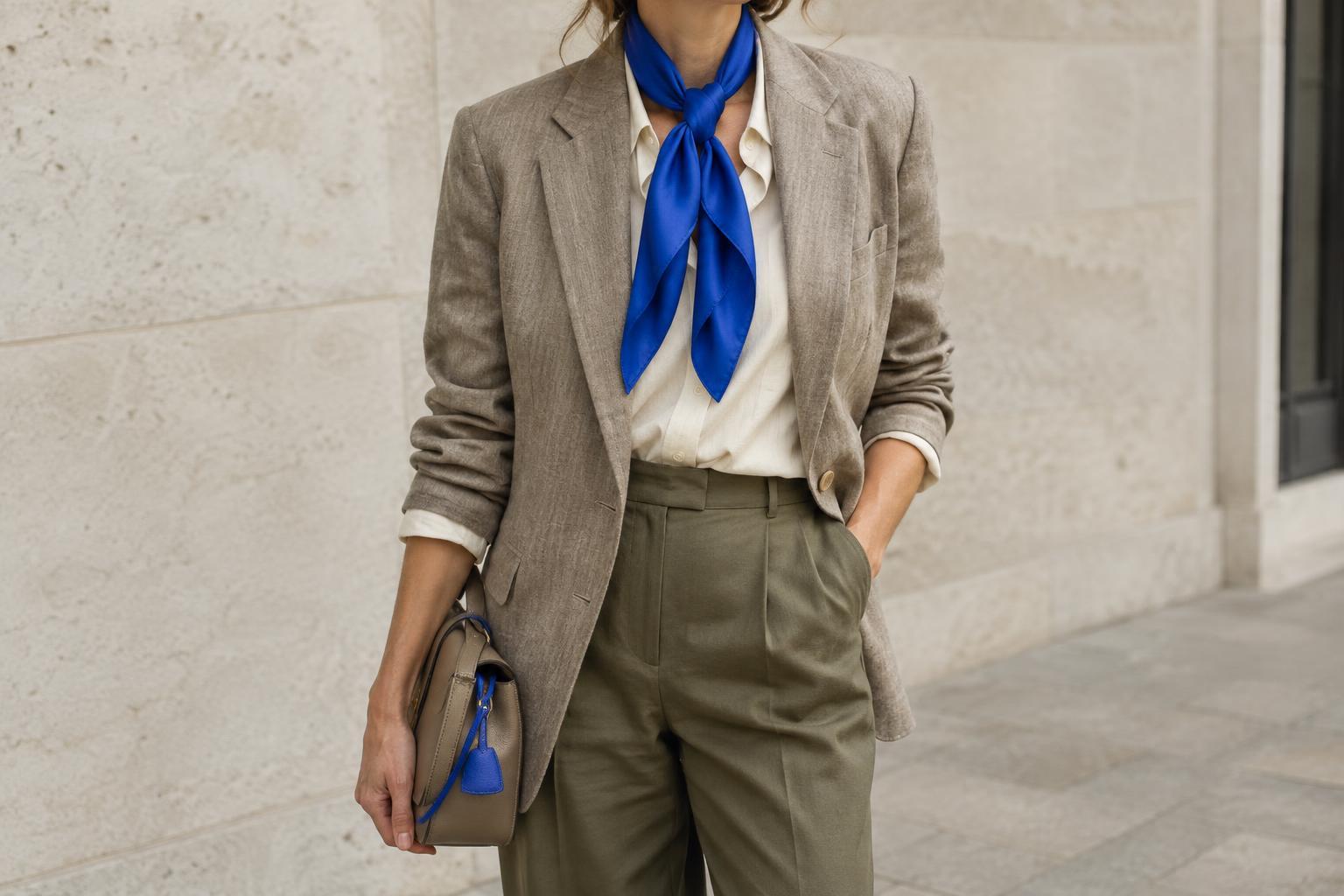
A common mistake is choosing a size because the label seems right, even when the garment sits in the wrong places. Sizes vary between styles, so compare the fit rather than relying on the number. For a structured jacket, pay particular attention to the shoulders and where the sleeves begin. For trousers, check where the waistband rests and whether the rise feels comfortable when you sit. A dress may fit at the waist but pull across the bust or hips.
Length affects how a piece works with the rest of your wardrobe. Check the hem of a top when your arms are raised and when it is tucked or untucked. Look at trouser length with the footwear you are likely to wear: a hem that works with one pair of shoes may drag or sit awkwardly with another. If an item is meant for everyday use, picture it alongside clothes you already reach for.
Separate easy alterations from difficult fixes
It is tempting to excuse every fit problem with a plan to have the item altered. Shortening a straightforward hem may be practical, but changes to shoulders, armholes, the rise of trousers or the overall shape can be more involved. If a garment needs several fixes before you would wear it, consider whether another size or cut would serve you better.
Also check whether adjusting one area creates a new problem. A larger shirt may solve button gaping but leave the shoulders too wide; a smaller pair of trousers may fit the waist but pull at the seat. Try another size when possible, then compare how each feels in motion. The best choice is not always the one with the closest-looking silhouette in a single pose.
Make a decision you can live with
Fitting-room lighting and unfamiliar mirrors can make it hard to judge a garment fairly. Use a few consistent questions: Is it comfortable? Does it stay in place? Do I like how it looks from the front, side and back? Can I imagine wearing it for the activity I have in mind? Checking the care label can help too, particularly if the garment requires more upkeep than you want to give it.
A fit does not have to follow a rigid rule to be right for you. You may prefer a relaxed waist, a close-fitting layer or a longer sleeve. The useful distinction is between a deliberate preference and a compromise you will notice every time you wear the piece. If you are undecided, taking a moment to compare it with something that already fits you well can be more helpful than trying to talk yourself into a purchase.