Start with your own definition of comfort
Comfort means different things in different wardrobes. You might feel best in loose layers that allow plenty of movement, while someone else prefers a close-fitting outfit that stays in place. A soft fabric may be your first priority, or you may care more about having shoes you can walk in all day. Rather than looking for a universally “comfortable” outfit, begin by noticing what helps you feel at ease.
Think about recent outfits you were happy to keep wearing and ones you wanted to change out of. What was the difference? Consider the waistband, fabric texture, sleeve length, shoe shape and amount of adjustment each outfit required. Also notice whether you felt comfortable with how you looked. Physical ease and feeling like yourself can both affect whether an outfit works for your day.
Rank what matters for the day ahead
Your priorities can change with your plans. On a day with lots of walking, shoes and freedom of movement may come first. For a long period of sitting, a waistband that does not dig in might matter more. If you expect to move between warm and cool spaces, adjustable layers may be more useful than one heavy piece.
Before choosing clothes, name your top two or three needs. They might be “easy to move in, warm enough and suitable for a casual meeting.” This short list gives you a way to make trade-offs. You do not need every item to meet every preference equally; you need the outfit as a whole to support what matters most today. If a piece looks appealing but conflicts with your highest priority, consider changing the piece rather than trying to tolerate the discomfort.
Check fit and movement in real situations
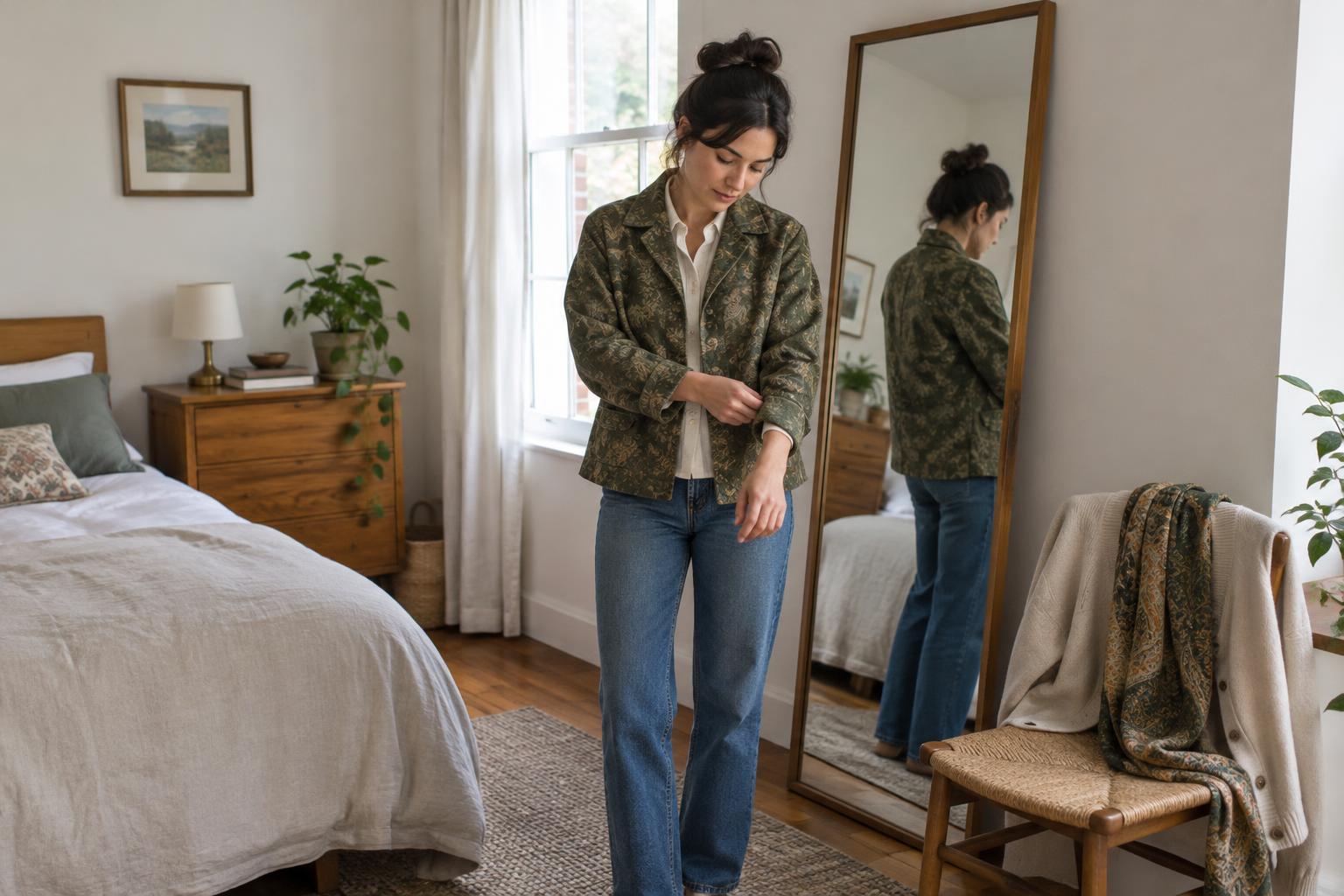
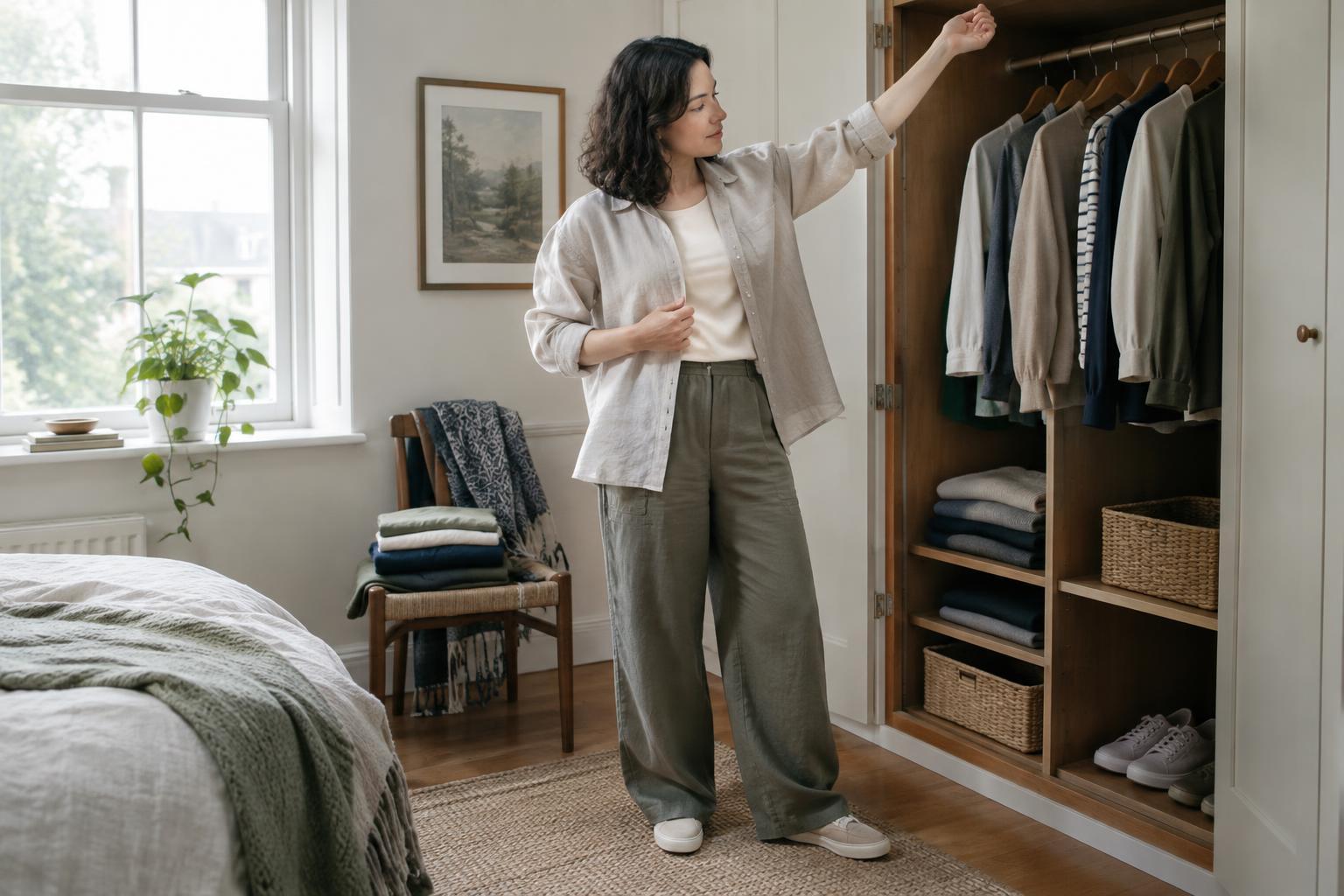
Clothes can feel fine when you first put them on and less comfortable once you start moving. Try a few ordinary actions before settling on an outfit: sit down, reach forward, bend to pick something up and walk around the room. Notice whether a hem rides up, a shoulder pulls or a shoe slips. If you will carry a bag or wear a coat, try those too. The aim is not a perfect fit in every position but an outfit you will not need to monitor constantly.
Pay particular attention to places where clothing presses or shifts. A trouser leg that is roomy enough for walking, a collar that sits comfortably against your neck or a sleeve that stays clear of your hands can make a noticeable difference. Small alterations, a different size or a change of garment style may solve a recurring problem more effectively than repeatedly adjusting the same outfit.
Account for temperature, texture and attention
Comfort also depends on the conditions around you. Think about the weather, indoor temperatures and how much you expect to move. Layers let you respond when conditions change, but only if they are easy to add, remove and carry. A scarf, for example, can add warmth without committing you to a heavier top. If you tend to run warm, you may prefer lighter layers that leave room for adjustment.
Texture deserves its own check. Seams, labels, stiff fabric or jewellery that catches on clothing can be distracting even when the outfit fits. There is no need to dismiss those preferences as minor: if a detail draws your attention all day, it matters. The same applies to visual comfort. You may enjoy a striking colour but prefer to wear it as one accessory rather than across an entire outfit. Choose the degree of attention that feels right to you.
Use what you learn to make dressing easier
Keep a simple mental or written note of the combinations that work: trousers you can sit in comfortably, shoes suited to your usual routes, or layers that handle changing temperatures. When an outfit falls short, record the specific issue rather than labelling the whole look a failure. “The jacket felt restrictive over this shirt” is more useful than “I cannot wear jackets.”
Over time, these observations can guide both outfit planning and future purchases. You might discover that you value adjustable waistbands, smooth textures or a familiar colour palette more than an unusual silhouette. Build a few dependable combinations around those preferences, then vary an accessory or layer when you want a change. Defining your comfort priorities is not about following a fixed set of rules. It gives you a practical starting point for choosing clothes that suit your body, your plans and your sense of style.