Start with the way you will wear them
The best everyday shoes work with your clothes and the walking you actually do. Before trying on a pair, think about where you will wear it: short errands, a commute, or a day spent moving between places. Bring the type of socks or tights you expect to wear. A shoe that fits with a thin sock may feel crowded with a thicker one, while a loose fit will not necessarily improve by changing socks.
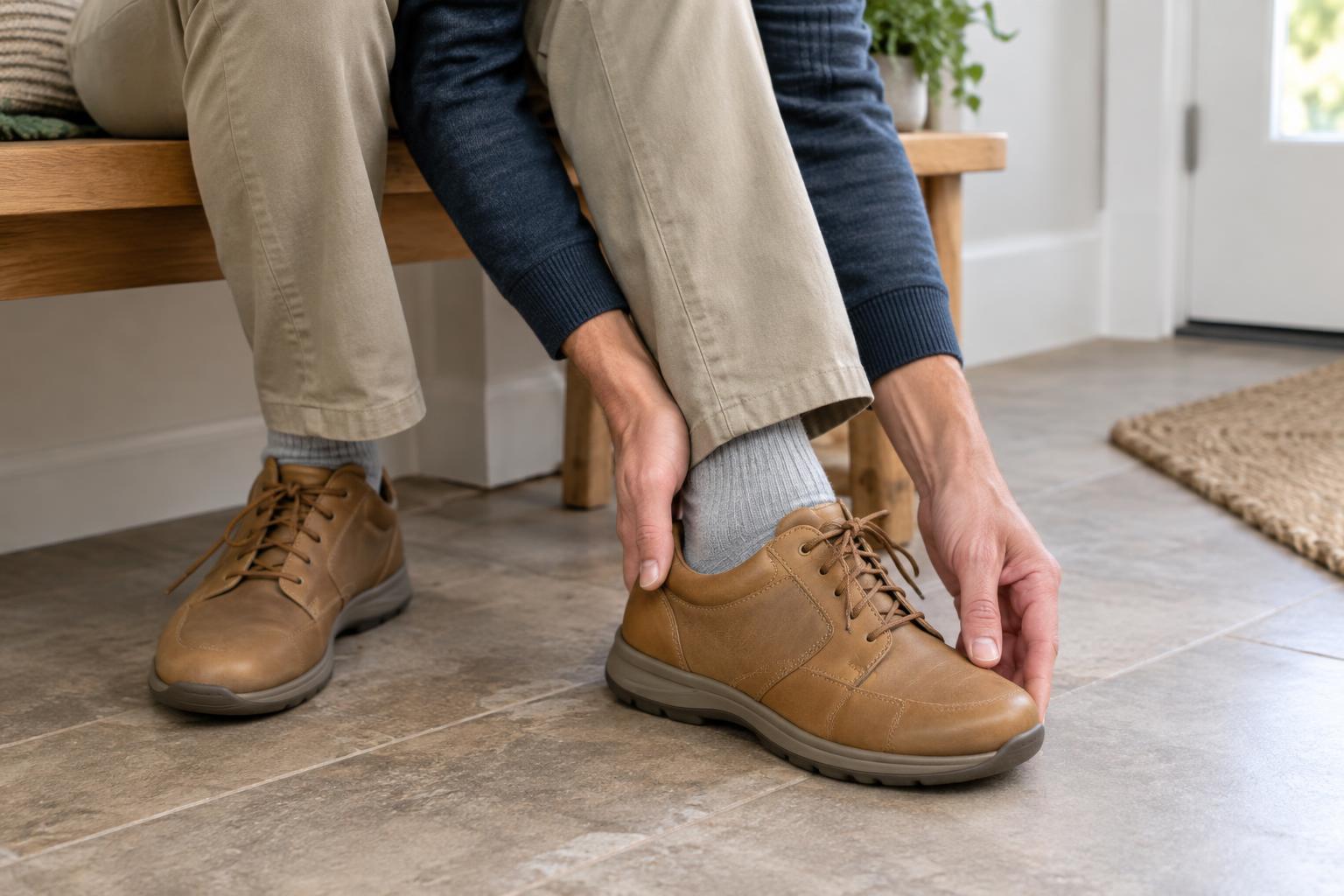
Try on both shoes, even if you usually think of your feet as the same size. Their shape and fit may differ slightly. Stand up before judging the fit: your feet bear weight differently when you are standing than when you are seated. Take a moment to adjust the laces, straps or buckles as you would on a normal day, rather than pulling them unusually tight to make the shoe feel secure.
Check length without relying on the size label
A size number is a starting point, not a guarantee. With your weight on your feet, notice where your longest toe sits; it may not be your big toe. There should be a little space in front so your toes are not pressed against the end, particularly as your foot moves forward while walking. If you feel the front of the shoe with your fingers, avoid pressing so hard that you push the upper down onto your toes.
Also consider where the shoe bends. When you take a step, it should generally flex near the ball of your foot rather than digging into your toes or forcing your foot to bend in an awkward spot. A pointed style may have plenty of apparent length at its tip but too little usable room for your toes. Judge the space your foot can actually occupy, not just the shoe’s outside shape.
Give your toes room, but keep your heel secure
Width is about more than whether you can get the shoe on. Your toes should be able to rest naturally, without being squeezed together or hanging over the edge of the sole. Watch for pressure along the sides of the forefoot, over the top of the toes, or at a seam. Snugness across the middle of the foot can help a shoe feel stable; pinching, rubbing or a need to curl your toes to hold it on are different signals.
At the back, your heel should feel held without being dug into by a stiff edge. A small amount of movement can occur in some styles, but repeated slipping with each step may lead you to grip with your toes or change your walk. If laces or straps cannot secure the shoe without creating pressure elsewhere, the shape may simply be a poor match. Trying a different style can be more useful than repeatedly adjusting the same pair.
Take a real try-on walk
Walk for more than a few steps if you can. Move at your usual pace, turn, and stop and start. Notice whether your foot slides forward, the sole feels steady, or one spot begins to rub. If there is a suitable surface, try a gentle change of direction; a shoe can feel fine walking straight ahead yet unstable when you turn. Pay attention to both feet rather than judging the pair by whichever feels better.
Do not count on a painful shoe becoming comfortable after it has been worn in. Some materials may soften with use, but a shoe that compresses your toes or rubs sharply is a risky choice for regular walking. Equally, thick cushioning is not a substitute for a good fit. The useful question is whether the whole shoe lets you walk naturally and comfortably, not whether one feature feels pleasant when you first put it on.
Make the fit work with your wardrobe
Once a pair passes the walking test, consider how often you would actually wear it. A versatile colour or simple shape can help, but comfort should be part of that decision: shoes that stay in the cupboard because they hurt are not practical wardrobe essentials. Think through a few outfits you already own and the socks, hems and weather conditions that go with them. A shoe does not need to match everything to earn its place; it needs a useful role.
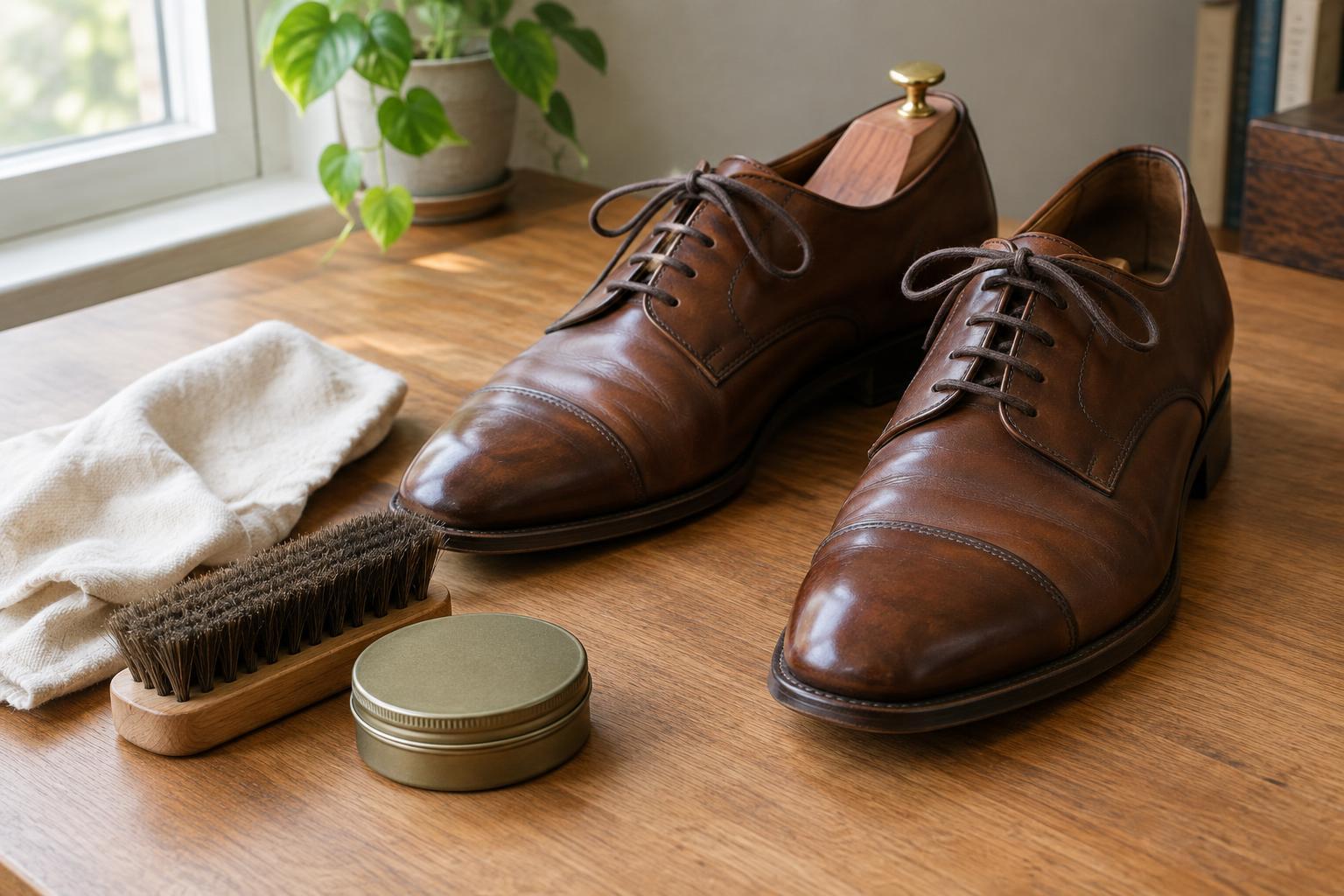
For shoes you already own, check their fit from time to time. Worn soles, flattened insoles or stretched uppers can change how a pair feels. Clean and store them according to their material, and allow damp shoes to dry before putting them away. If persistent discomfort continues despite trying different fits and styles, consider getting individual guidance rather than treating it as an unavoidable part of dressing well.