Start with the days that keep repeating
It is easy to shop for a version of yourself who attends more formal dinners, takes more holidays, or never has to carry groceries in the rain. Those clothes can be appealing, but they may not help much on an ordinary Tuesday. A practical approach to personal style begins with the activities that fill most of your time, not the occasions you imagine having someday.
For a week or two, pay attention to what you get dressed to do. Notice how often you work from home, commute, walk, sit for long stretches, meet friends, or spend time outdoors. You do not need a detailed spreadsheet; a short list of recurring situations is enough. Add the conditions that affect your choices, such as temperature changes, shoes you can comfortably walk in, or a workplace dress code. This gives you a clearer picture of what your wardrobe needs to handle.
Build outfits for situations, not idealized identities
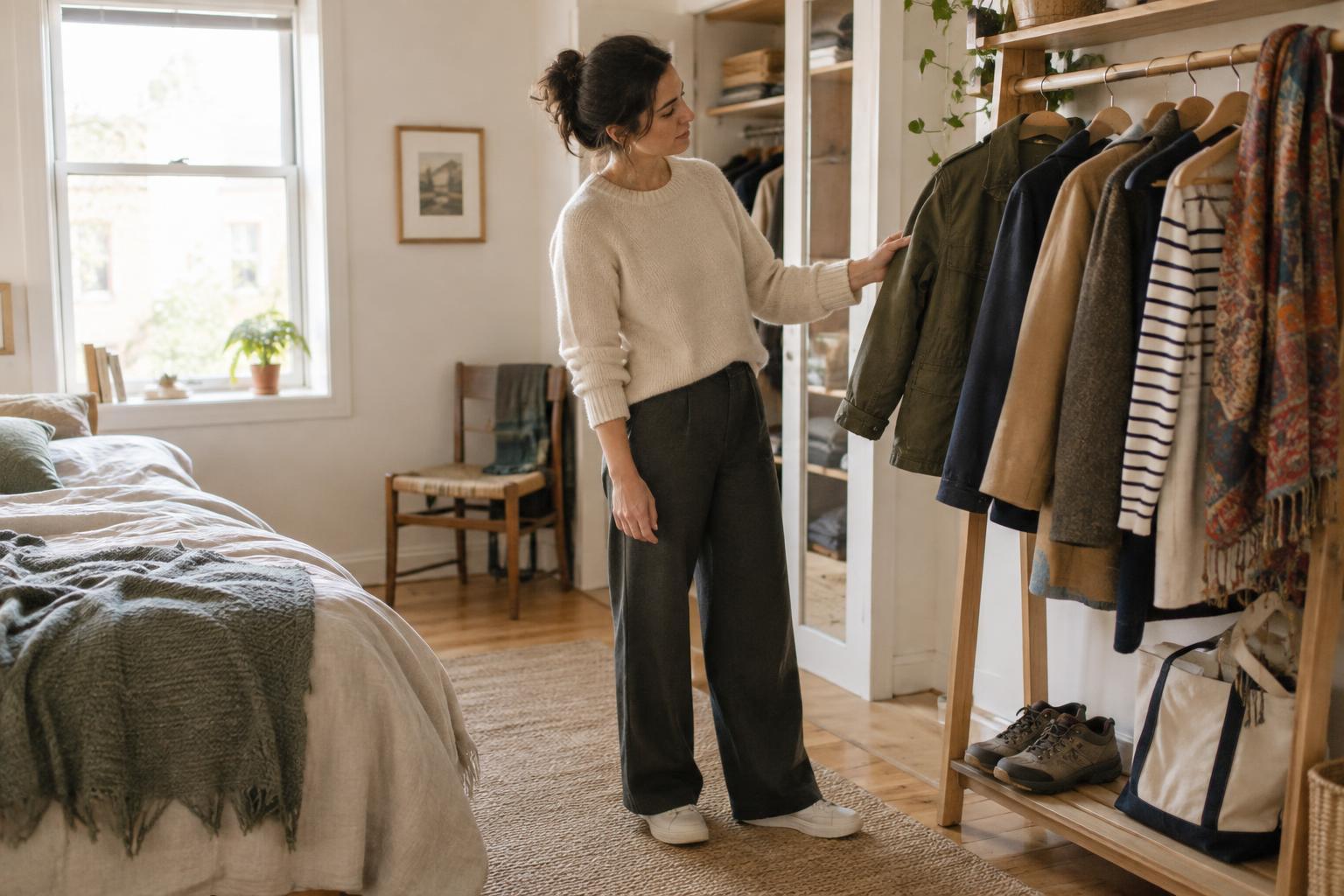
Once you can name your common situations, put together a reliable outfit for each one. Think in complete combinations rather than isolated pieces: a top, a bottom, shoes, and any layer or accessory you usually need. Someone who moves between home and local errands might want comfortable trousers, a tidy knit, weather-ready shoes, and a jacket by the door. Someone who travels to an office might need clothes that feel good while sitting and still suit meetings.
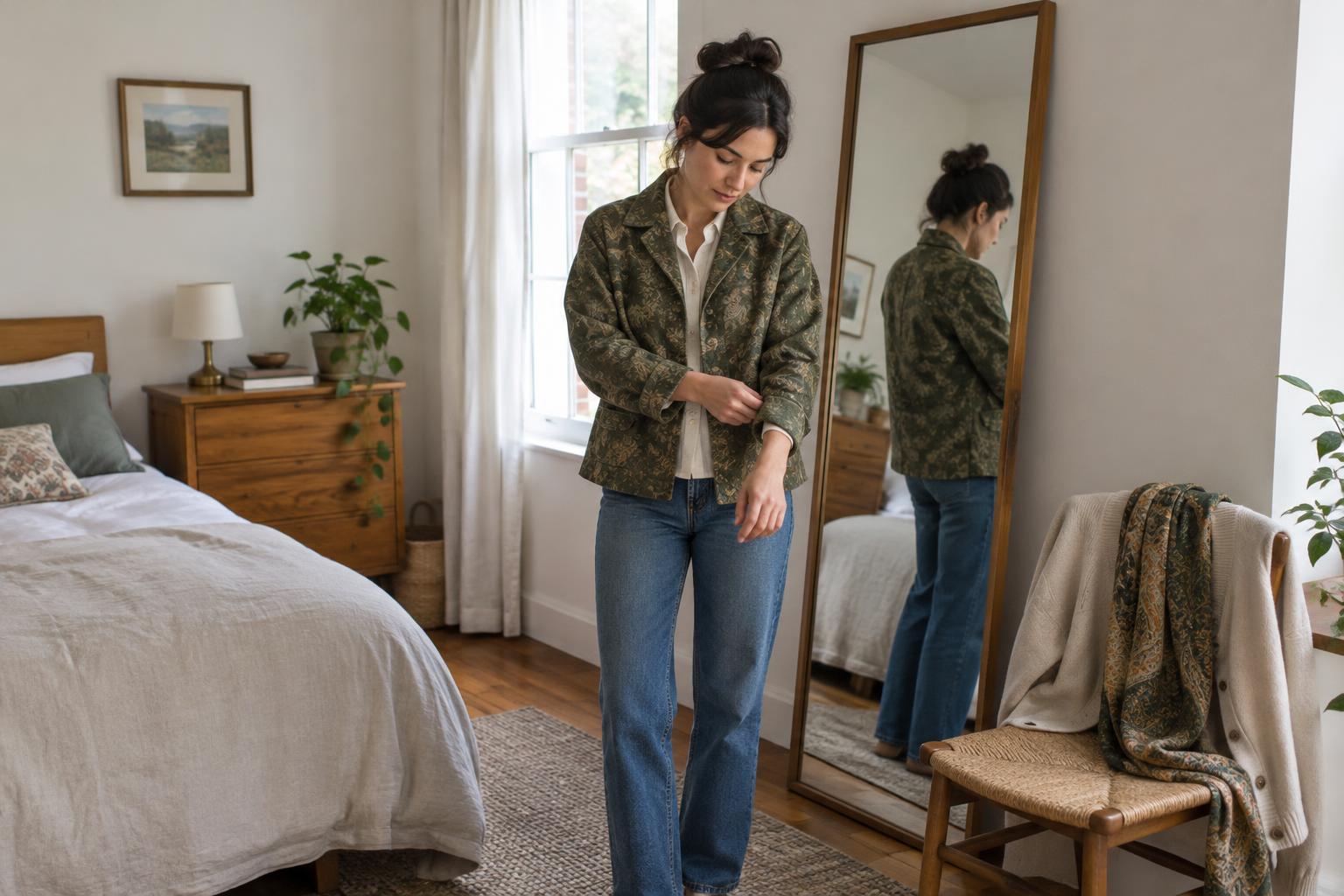
Try the outfits during normal days before deciding they work. A shirt that looks excellent in a mirror may need constant adjusting when you bend or reach. A bag may be stylish but inconvenient when it has to hold lunch and keys. These observations are useful, not failures of taste. Small changes, such as choosing a different shoe, adjusting a hem, or switching to a less delicate fabric, can make an outfit easier to repeat.
Let your wardrobe proportions reflect your life
If casual clothes serve most of your week, they deserve most of your attention and space. That does not mean you must get rid of every special-occasion piece. It means you can stop treating occasionwear as the centre of your wardrobe when you rarely use it. Keep what fits your actual invitations and preferences, then give everyday pieces enough room to work hard without wearing out too quickly.
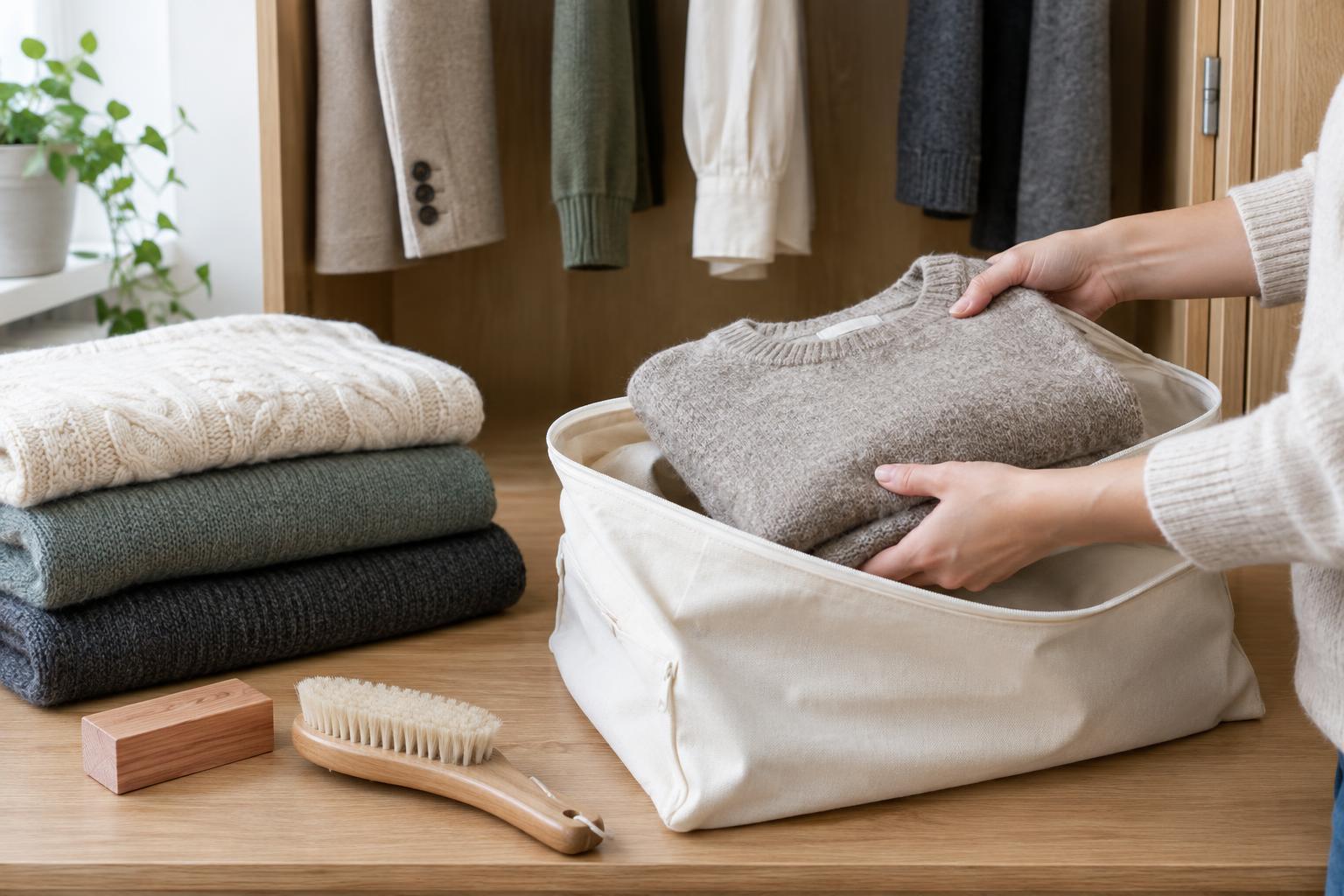
Consider laundry habits as well as frequency of wear. If you wash clothes once a week, one dependable everyday top may not be enough, even if it goes with everything. If you prefer to rewear outer layers between washes, you may need fewer of those. There is no universal number of garments to own. The useful amount depends on your schedule, climate, storage space, and willingness to care for each item.
Before buying something new, ask what existing outfits it would join and when you would wear it. If the answer requires a different job, a new social calendar, or several additional purchases, pause. You may still love the item, but you can make that choice knowingly rather than mistake it for a wardrobe essential.
Make room for taste without sacrificing function
Dressing for real life does not mean dressing without personality. Your favourite colours, shapes, and details can appear in the clothes you wear most often. If you enjoy colour but need simple morning decisions, repeat a few combinations you like. If you prefer a mostly neutral wardrobe, a scarf, pair of earrings, or patterned shirt can add interest without making every outfit complicated.
Comfort is personal, too. Some people feel at ease in structured jackets; others prefer soft layers. One person’s versatile shoe may not suit another person’s walking route. Instead of following a list of supposed essentials, look for the qualities you value in pieces you already reach for. Those clues can guide future choices more reliably than an image of how a stylish person is meant to dress.
Review what works as your routine changes
A wardrobe does not have to be finished. Schedules, seasons, and preferences change, so it helps to check in with your clothes occasionally. Notice which outfits you repeat happily and which items remain unworn despite being available. An unworn piece might need a simple partner, a repair, or a more suitable occasion. It might also be something you no longer need.
Keep the review practical and kind. The goal is not to justify every purchase or achieve a perfect collection. It is to make getting dressed easier today. When your clothes fit the life you actually lead, there is more room to enjoy how you look and less pressure to become someone else before an outfit makes sense.