Start with the clothes you actually wear
A trend can be appealing in a photograph and still feel out of place in your day. Before deciding whether to try one, look at the outfits you reach for most often. Notice their shapes, colours, fabrics and level of formality. You may find that you prefer loose layers, crisp lines, soft textures or a particular way of wearing colour. These patterns are clues to your personal style, not rules you have to follow forever.
Think about the practical side, too. What do you wear for a typical workday, a walk, an evening out or time at home? A new item is more likely to earn its place if it suits activities you already have or fills a gap you can name. You do not need a fixed style label to make that judgment. Knowing which clothes feel comfortable and useful is enough to give you a starting point.
Identify the part of a trend that appeals to you
Trends often arrive as a complete look: a particular jacket, trousers, shoes and accessories styled together. You can take just one idea from it. Perhaps what catches your eye is a colour combination rather than the featured garment, or the contrast between a relaxed top and a tailored bottom. Naming the detail you like makes it easier to adapt the look instead of copying it.
Ask whether the attraction is about the item itself or the novelty of seeing it everywhere. Imagine wearing it after the initial excitement fades. Would you still enjoy its shape or colour? Can you picture it with clothes you own? These questions are not tests you must pass perfectly. They simply help you tell the difference between an idea you want to explore and one you are content to admire on someone else.
Try a small version before making a big change
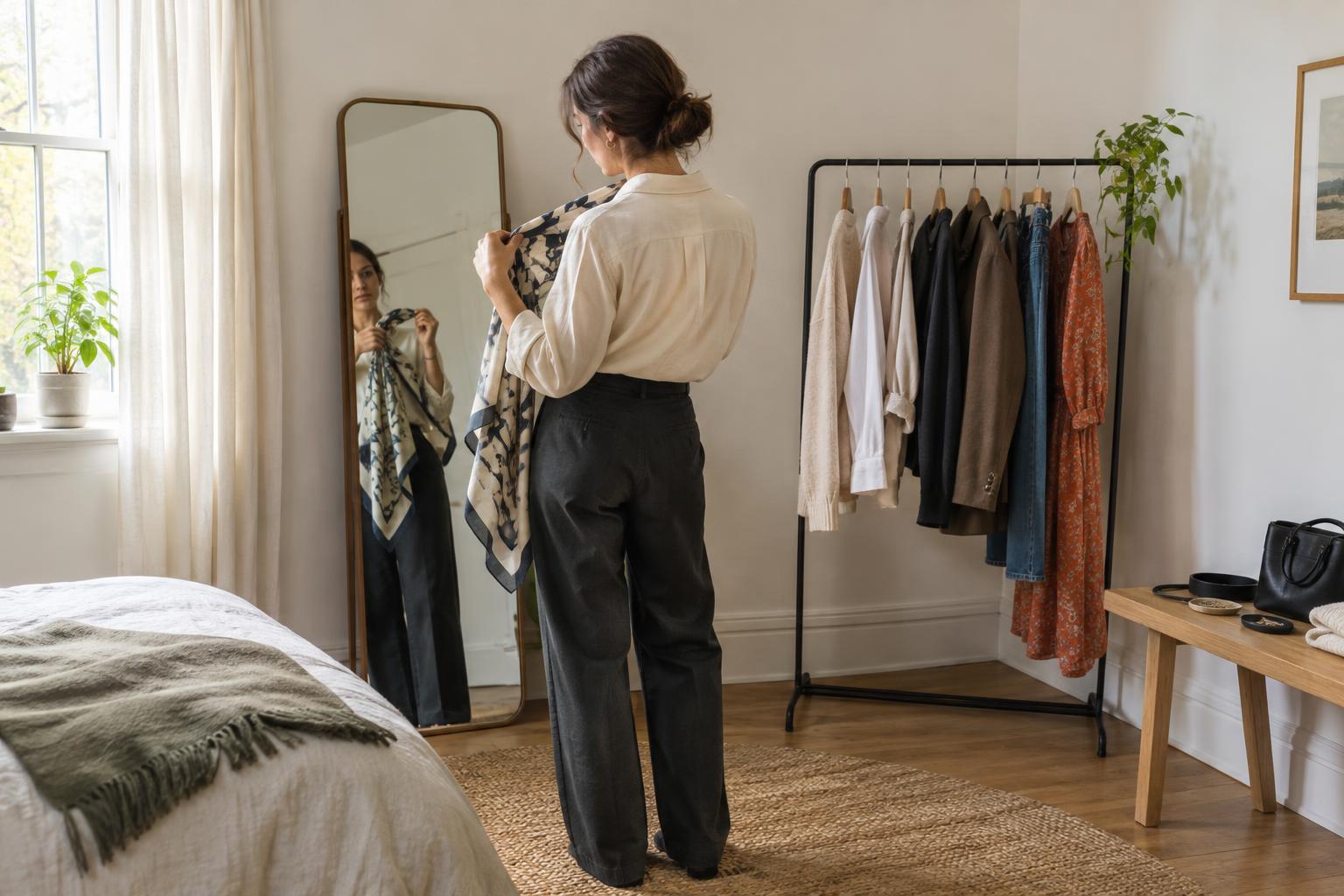
Experimenting with style does not have to mean replacing an outfit. If a bold colour interests you, try it near your face with a scarf, or farther from your face with socks or a bag. If you like a new silhouette, recreate its proportions using pieces you already own: tuck a shirt differently, add a belt or pair a roomier layer with a closer-fitting one. Small trials let you see how an idea works in motion, not just in a mirror.
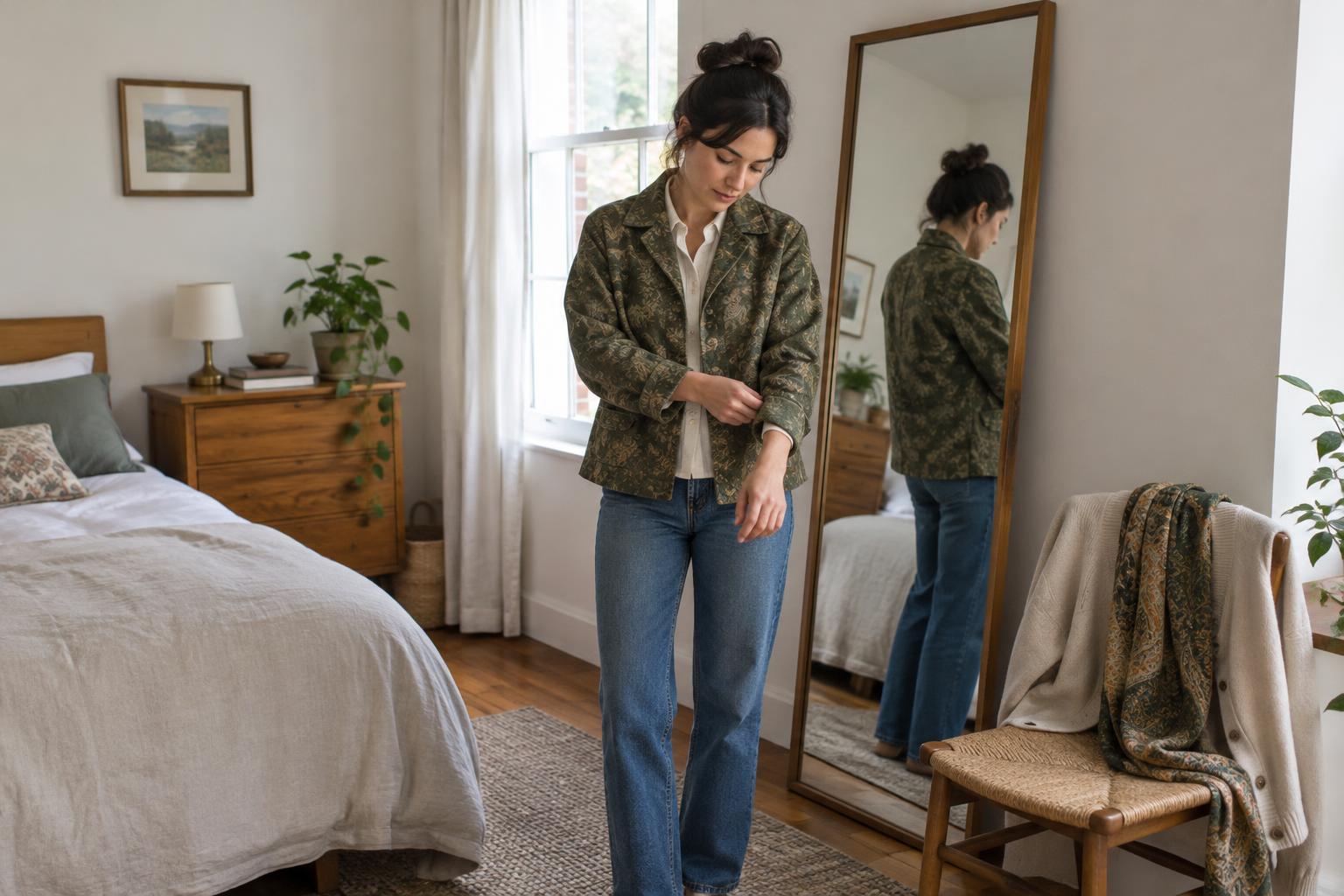
If you are considering something new, try it alongside familiar favourites. A distinctive jacket may feel easier to wear with your usual jeans and shoes than with an entirely unfamiliar outfit. Give yourself a few ordinary occasions to judge the result. Notice whether you adjust the item constantly, avoid wearing it or look forward to putting it on again. Comfort and enjoyment can be as informative as appearance.
Check how a new piece would fit your wardrobe
Before adding an item, picture at least a couple of outfits you could make with what you already have. They need not be identical: one might suit an everyday errand and another a social occasion. Consider whether the fabric suits your routines, whether the colour works with your usual palette and whether you are willing to care for it as its label recommends. An exciting purchase can become frustrating if it depends on several other items you do not want or need.
It can also help to separate a wardrobe gap from a styling wish. If you need a comfortable layer for frequent wear, a trend-inspired version might be useful. If you already have several similar layers, changing how you style them may satisfy your curiosity instead. Neither choice is inherently better. The aim is to make room for experimentation without losing sight of what gets worn.
Keep the choice personal, not permanent
You do not have to accept or reject a trend as a whole. You might enjoy a colour but dislike the cut, or appreciate an accessory while leaving the rest of the look alone. You can also pass on a trend simply because it does not interest you. Dressing well for your own life is not a matter of keeping up with every new idea.
Personal style can change as your preferences and routines change. Revisit an idea if it starts to make sense later, and let go of one that no longer feels right. The most useful approach is curiosity paired with selectiveness: notice what appeals to you, test it in a way that feels manageable, and keep only what makes getting dressed more enjoyable or straightforward.