Decide whether a garment is ready to wear again
Refreshing clothes between washes can save time and reduce unnecessary wear on garments, but it is not a substitute for cleaning dirty clothing. Before putting something away, check the collar, underarms, cuffs and any areas that touched food or skin. Look for marks and notice whether the garment smells fresh after it has had time to air out. A piece that is visibly soiled, persistently smelly or damp with sweat belongs in the laundry rather than back in the wardrobe.
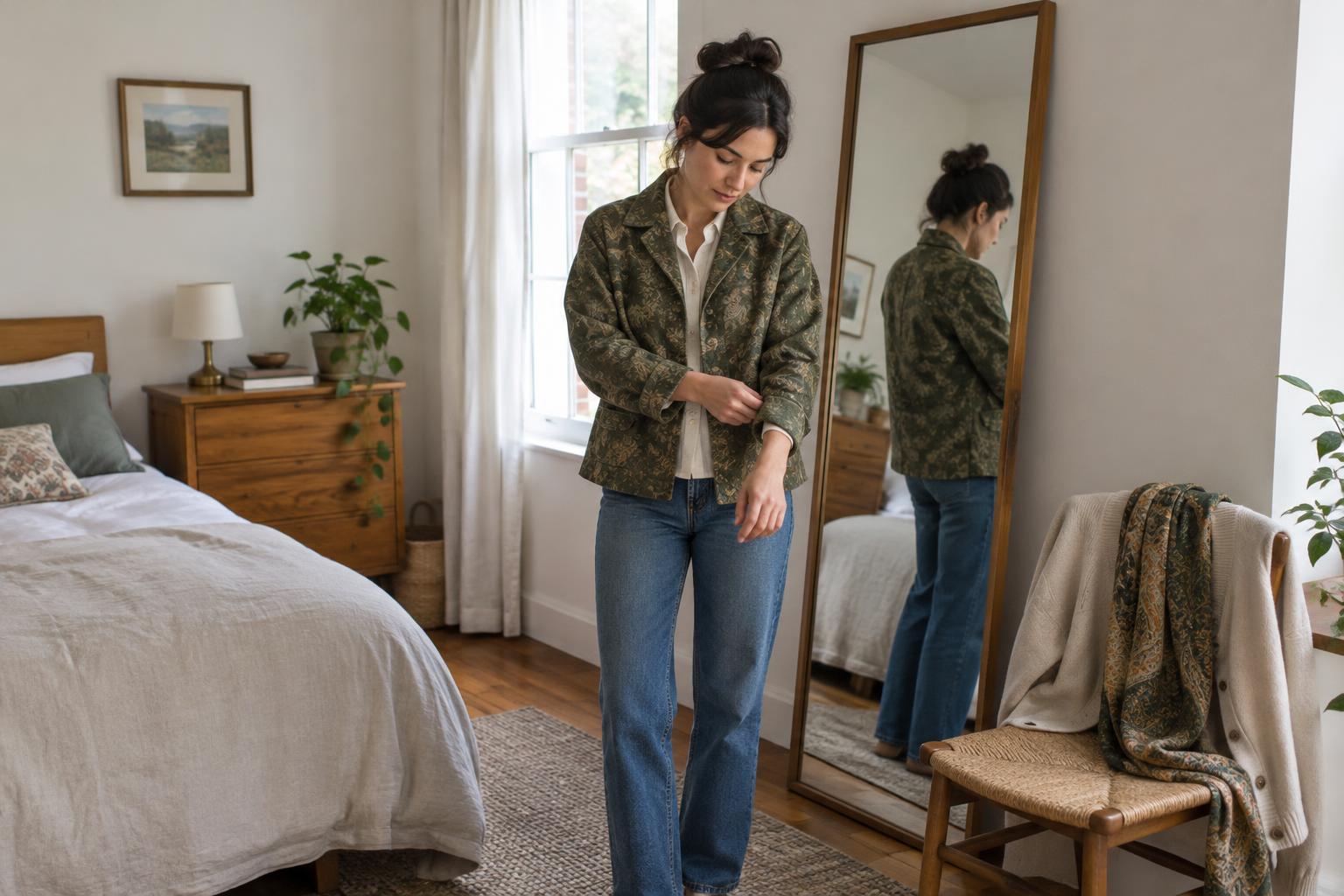
How often an item needs washing depends on how it was worn. A jacket layered over a clean shirt may be ready for another outing after airing; a top worn directly against the skin may not be. Underwear, socks and clothes worn during a sweaty activity generally need washing after use. Let condition, comfort and the garment’s care label guide the decision instead of relying on a fixed number of wears.
Air clothes before putting them away
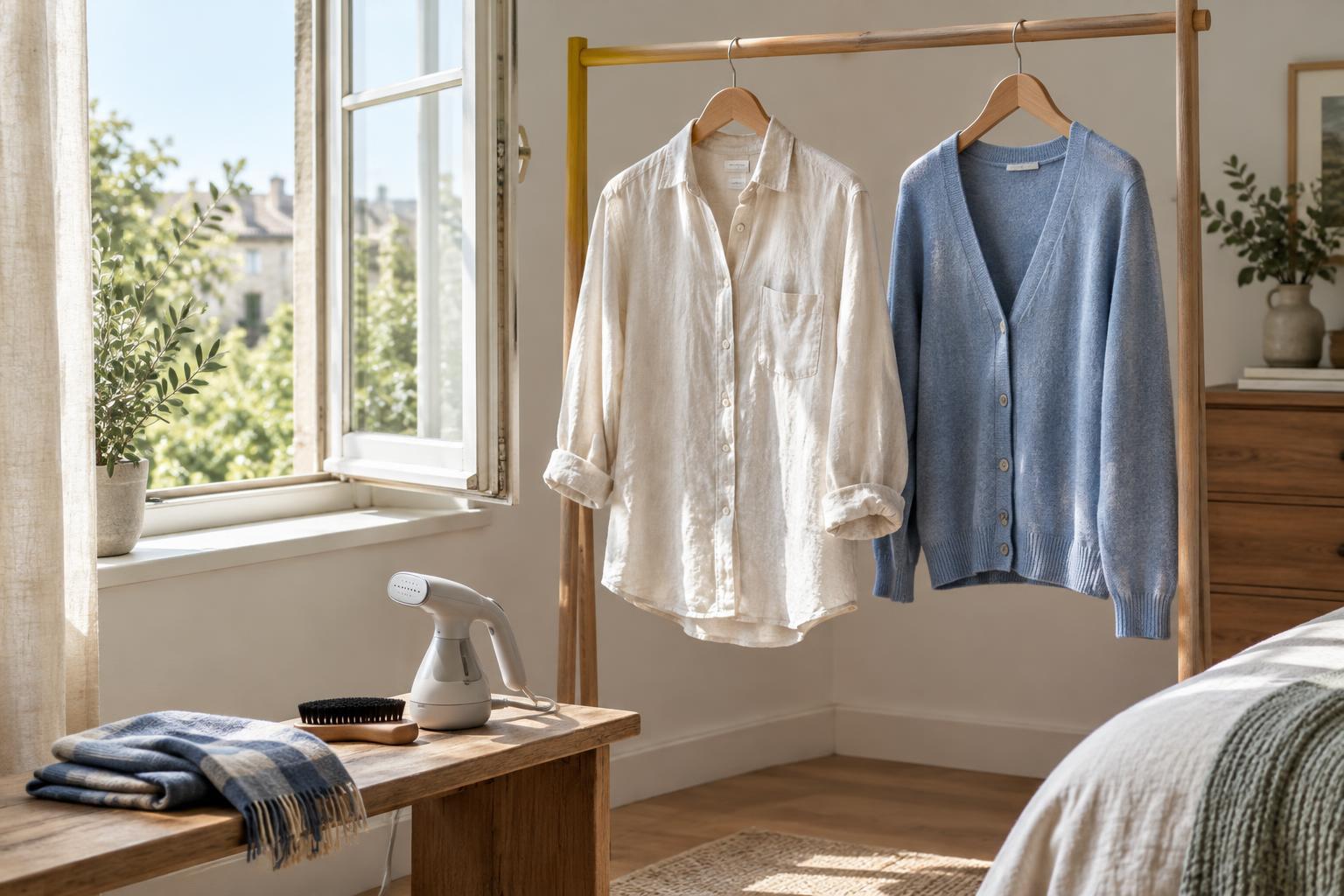
Air is often the simplest refresh. Hang a worn garment on a suitable hanger or lay a knit flat in a well-ventilated room. Leave space around it so moisture can dissipate, and wait until it feels completely dry before returning it to a closet or drawer. If you use an outdoor space, choose a sheltered spot and keep an eye on weather and strong sunlight, which can fade some colours.
Airing works best when clothes have picked up a mild, temporary smell rather than a deep-set odour. Avoid masking a problem with perfume or a heavily scented spray: fragrance can linger on fabric, irritate some wearers or combine unpleasantly with the original smell. If the garment still smells after airing, washing according to its care label is usually the more useful next step.
Treat small marks without soaking the whole item
For a minor, fresh mark, spot-cleaning may be enough. First check the care label, then test your chosen method on a hidden area, particularly with dark dyes or delicate fabrics. Gently blot rather than rub, working from the outside of the mark inward. A clean cloth lightly dampened with water may lift a simple surface mark; other stains may need a suitable fabric-care product and a full wash.
Use as little moisture as you can and let the area dry fully before wearing or storing the garment. Too much water can leave a ring or change the texture of some fabrics. Be especially cautious with silk, structured jackets, leather and items marked for professional cleaning. When the material or stain is uncertain, it is better to pause than to make the mark harder to remove.
Use steam and brushing where appropriate
Steam can help relax light creases and make an otherwise clean garment look ready to wear again. Follow the garment label and the steamer’s instructions, keep the device moving, and avoid pressing the hot nozzle against the fabric. Allow the piece to dry before putting it on or hanging it among other clothes. Steam can improve appearance, but it does not remove body oils, stains or persistent odours.
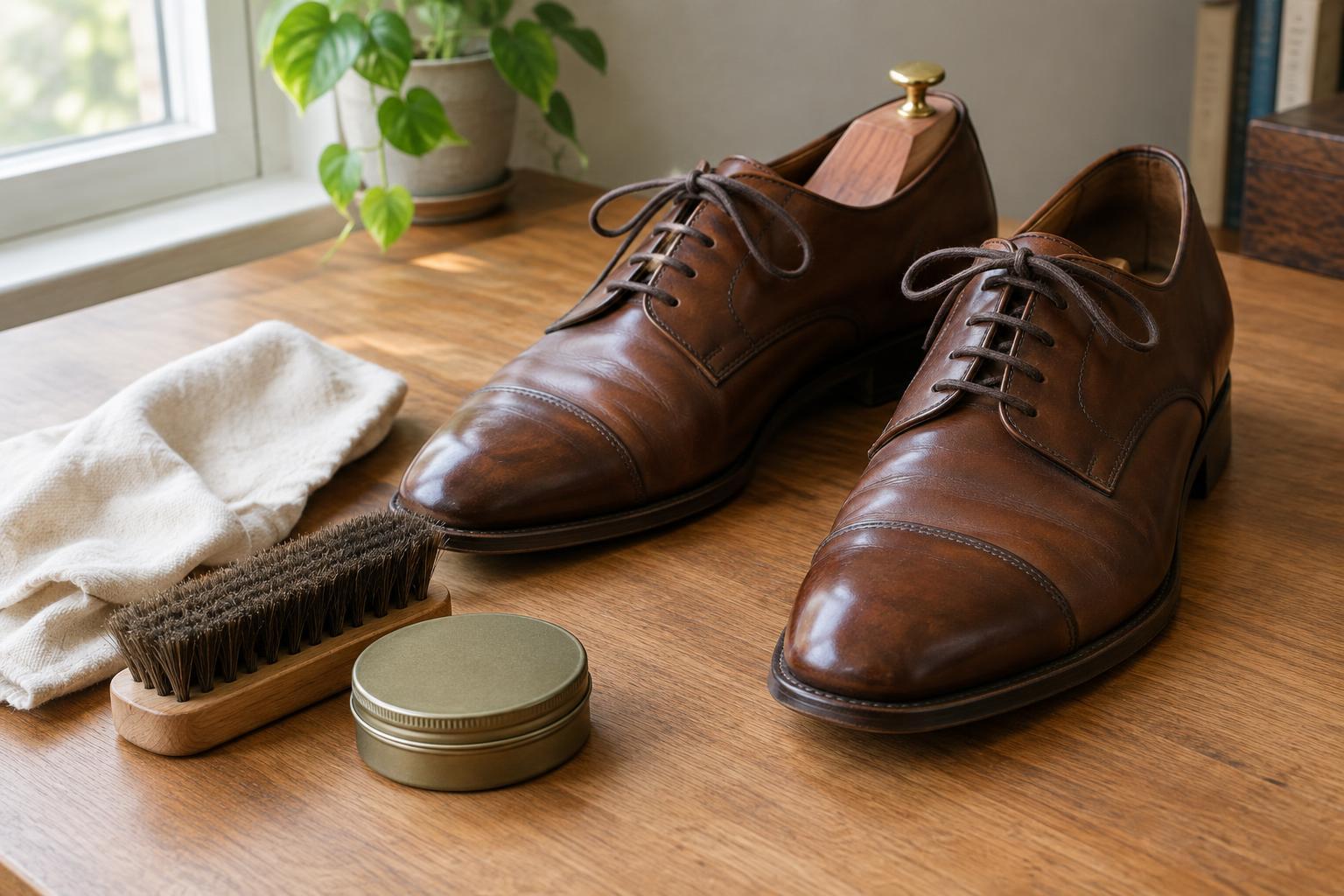
A soft clothes brush can also tidy up coats, trousers and other sturdy woven pieces by lifting surface dust and loose fibres. Brush gently in the direction of the fabric, and use a lint roller for stray hair when brushing is unsuitable. For knits, remove pills carefully with a tool intended for the fabric rather than pulling them off by hand. Test any technique in an inconspicuous place if you are unsure how the material will respond.
Store refreshed clothes so they stay fresh
Separate clothes that are clean enough to wear again from freshly washed pieces if that helps you keep track. A designated hook, hanger or shelf makes it easy to air and inspect an item before its next wear. Avoid piling worn clothes on a chair: folds can trap moisture, deepen creases and hide small stains until you need the item.
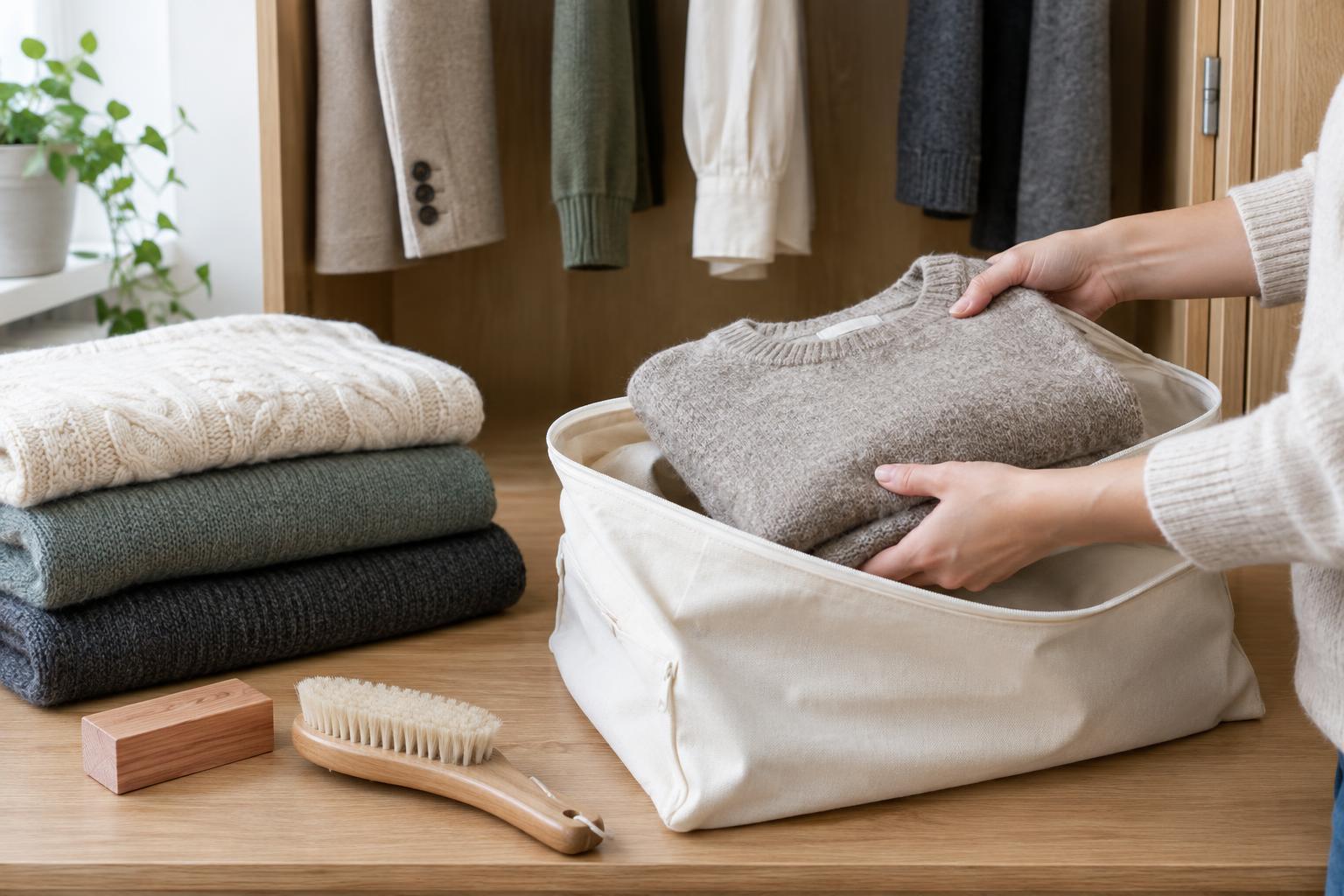
Choose storage that supports each garment. Hang shirts and jackets on appropriately shaped hangers, but fold heavier knits so they do not stretch at the shoulders. Leave enough room for air to circulate and make sure everything is dry before closing a drawer or wardrobe door. When a piece no longer feels or smells clean, move it to the laundry. A good between-wash routine is not about postponing washing at all costs; it is about giving wearable clothes a little attention while cleaning them when they need it.