Start with the clothes you actually wear
A change in personal style is often easier to see in your everyday choices than in a list of things you say you like. Look at the pieces you reach for without much thought. Notice their shapes, colours, fabrics, and level of formality. Then compare them with the clothes that stay in the wardrobe. A rarely worn item is not automatically wrong for you, but the contrast can give you a useful place to start.
Ask what has changed since you chose the unworn pieces. Perhaps you now prefer roomier trousers, quieter colours, or clothes that work with flat shoes. Your routine may also have changed. A jacket you once wore regularly might still appeal to you but have few occasions to go. Separating a shift in taste from a shift in daily needs helps you decide what belongs in your current wardrobe.
Find out why a piece stays unworn
Take one item at a time and name the obstacle as specifically as you can. Does the colour feel difficult to wear near your face? Does the cut require constant adjustment? Is the fabric uncomfortable, or do you simply never know what to put with it? “I don’t wear it” is a useful observation; “I avoid it because the sleeves get in my way” is a reason you can act on.
It can help to distinguish between liking an item and liking it on yourself. A bold print may be beautiful on the hanger but feel distracting when you get dressed. Equally, a plain shirt may seem unexciting by itself yet make several favourite outfits possible. Neither reaction needs defending. The question is whether the piece helps you dress in a way that feels comfortable and recognisably yours.
Give uncertain pieces a fair try
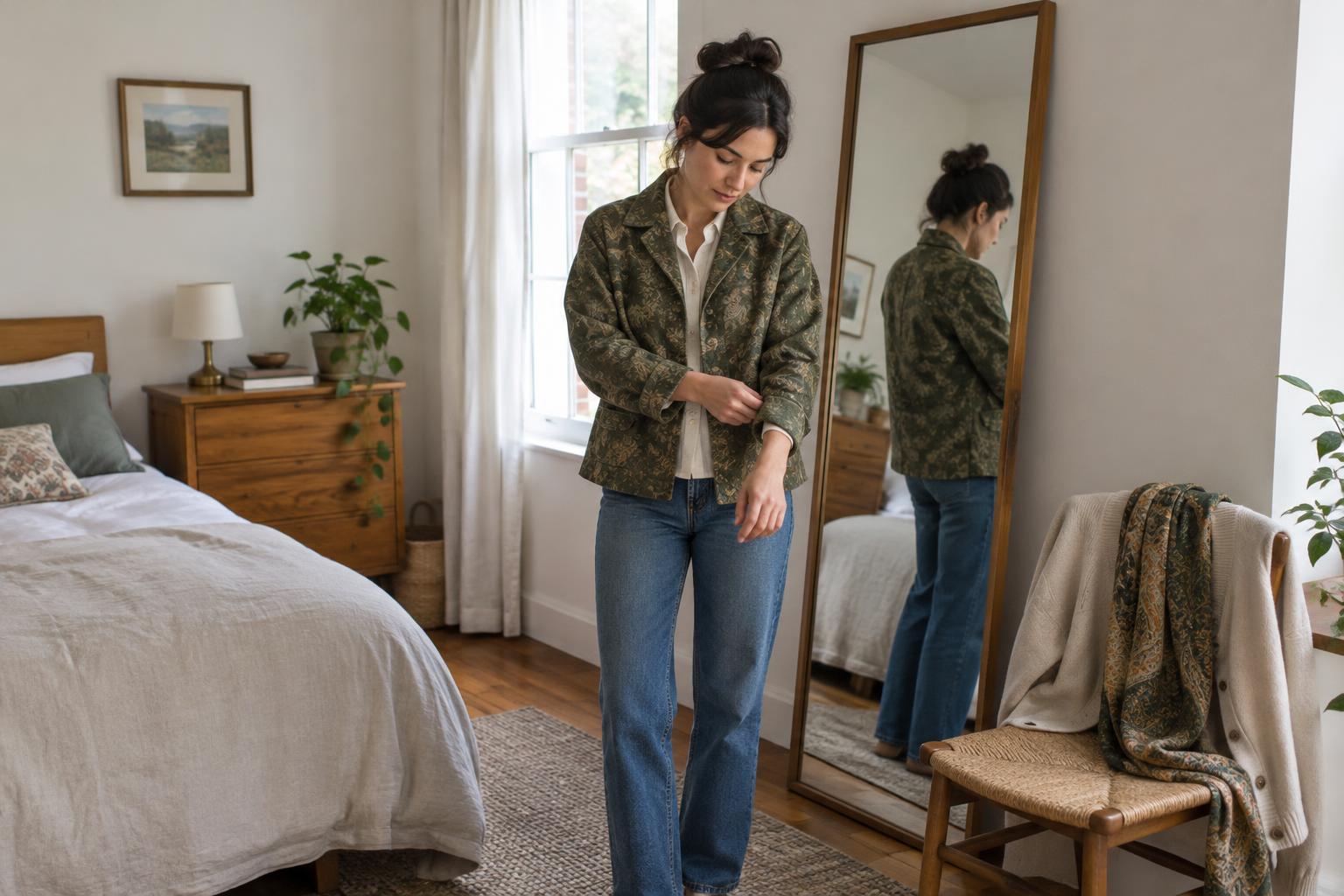
Before deciding that a garment no longer fits your style, try it with clothes you wear now rather than with the outfit you originally imagined. Tuck a shirt differently, change the shoes, or add a scarf or belt you already use. You may find that the piece feels right in a simpler combination. If it only works when you buy several other things or tolerate a fit you dislike, that is useful information too.
Try the outfit for more than a quick glance in the mirror. Sit down, move around, and consider where you would realistically wear it. Take a note of what works and what does not. This makes it easier to tell whether a small alteration, such as shortening a hem, could make the garment useful again—or whether you are trying to persuade yourself to keep it.
Make room for memories without dressing for the past
Some clothes are hard to assess because they represent a past version of you: a former job, a special occasion, or a time when you were experimenting with your look. Those memories can matter even if the garment no longer earns space among your everyday clothes. You do not have to wear something regularly to value its story, but it helps to decide whether you are keeping it as clothing or as a keepsake.
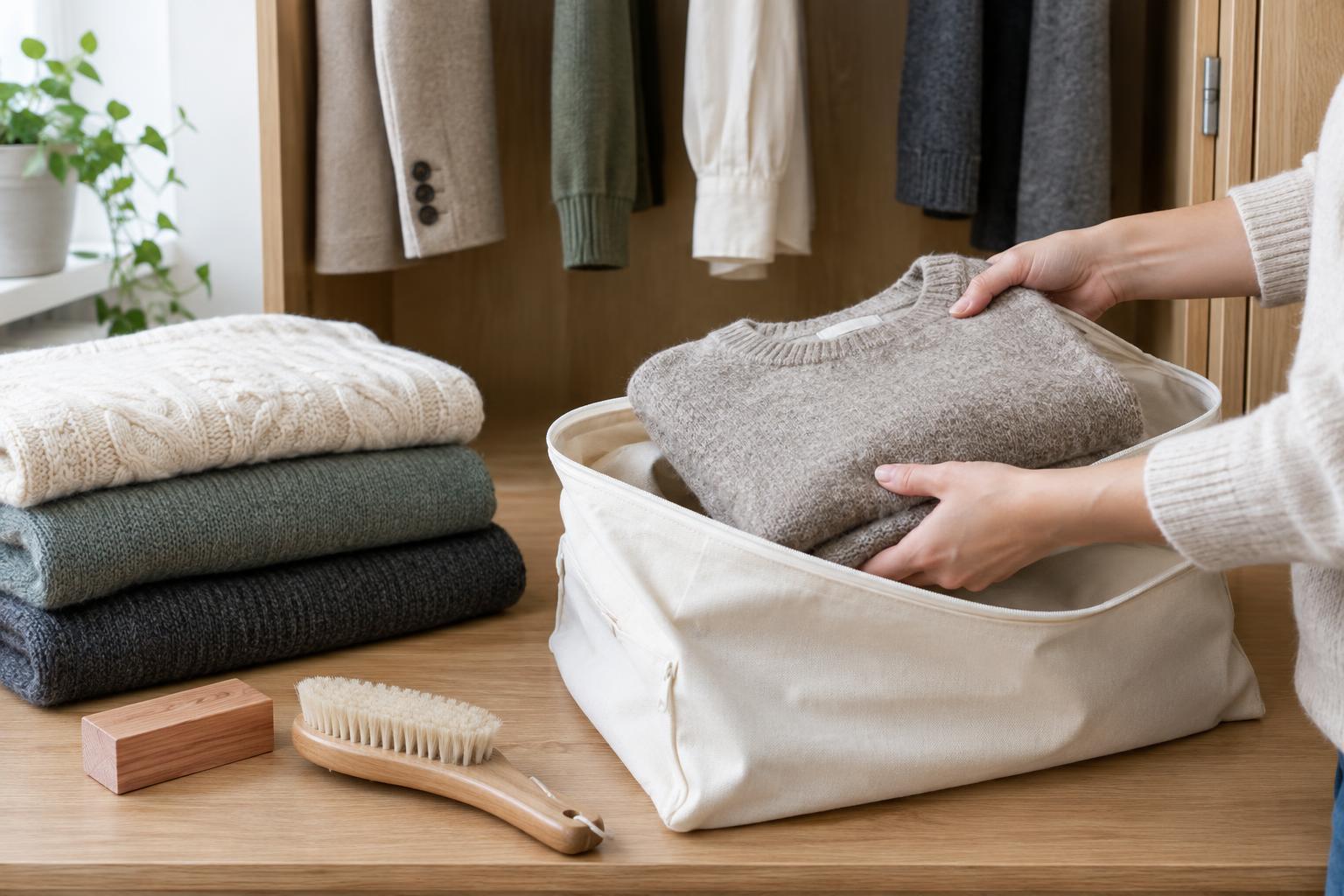
If a sentimental item is worth storing, give it a deliberate place rather than leaving it among the pieces you choose from each morning. For less meaningful items, ask whether you would choose them again for your life now. This question is not a verdict on your earlier taste. It simply gives your present preferences a voice.
Choose a next step, not a perfect wardrobe
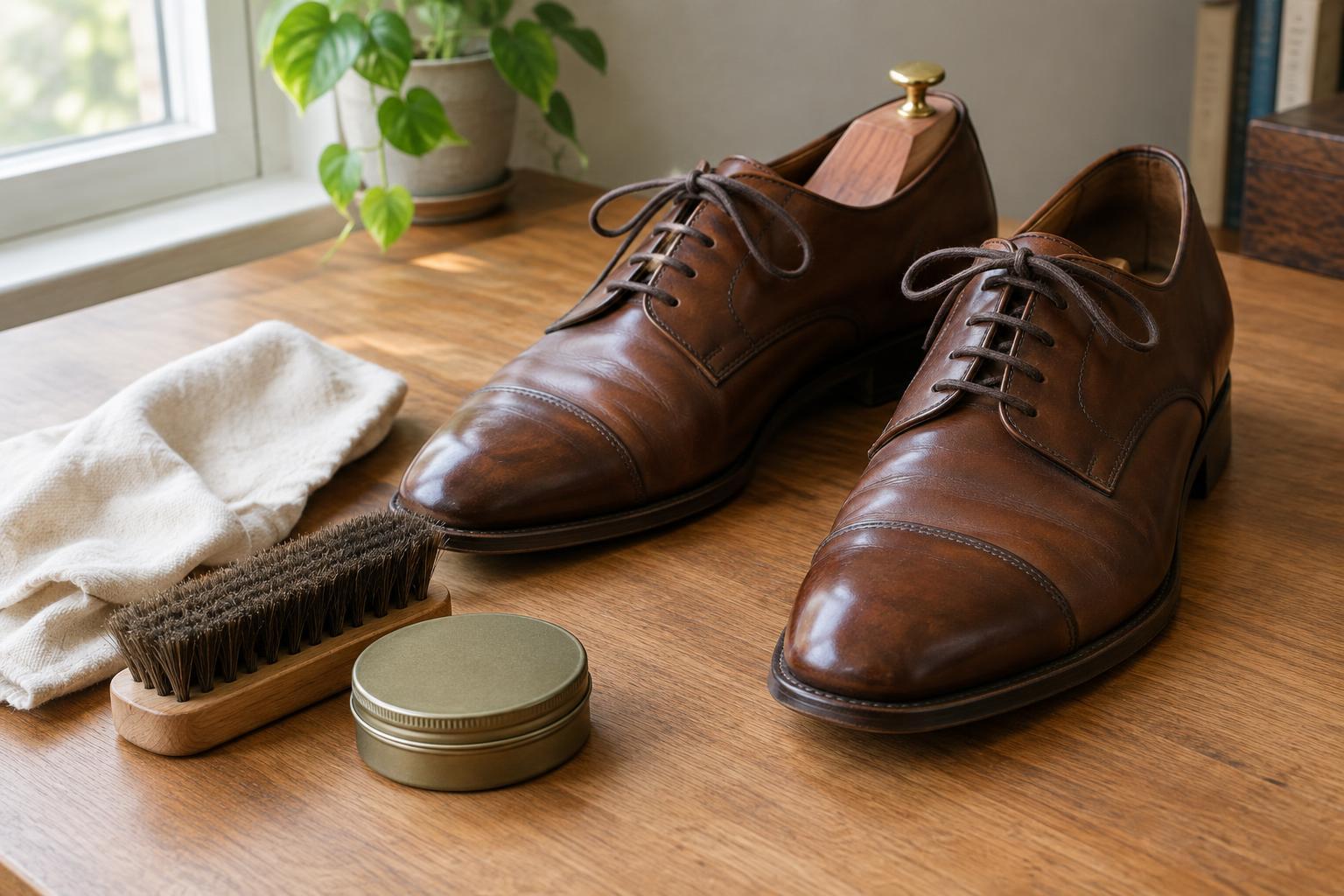
Sort each piece into a practical next step: wear it, alter or repair it, store it for a specific use, set it aside to reconsider, or let it go. Keep the “reconsider” group small and give yourself a reason to revisit it, such as trying the item in a different season. Clothes that are damaged beyond useful repair may need a different route from clothes that are clean and wearable enough to pass on.
You do not need to clear everything out at once. A gradual review gives you time to notice which gaps are real and which outfits you can build from what remains. The aim is not a wardrobe that follows a single aesthetic perfectly. It is one in which the clothes you see each day make it easier to get dressed as you are now.